What SafetyWing Does Not Cover in Spain: The Exclusion List, Line by Line
Disclosure: This article contains affiliate links. If you buy through them, we may earn a commission at no extra cost to you. Read our full disclosure.
Moving to a new country like Spain is an incredible adventure, but let's be real, the paperwork and practicalities can be a headache. One of the biggest worries for many expats and digital nomads is making sure they're covered if something goes wrong, especially when it comes to health. You've heard of SafetyWing as a popular choice for flexible travel medical insurance, and it really is a lifesaver for many, but just like any insurance, it doesn't cover absolutely everything. This guide will walk you through exactly what SafetyWing typically doesn't cover in Spain, so you can plan effectively and avoid any nasty surprises.
Understanding Travel Medical Insurance Exclusions
When you're comparing insurance options for your life in Spain, it's crucial to understand the fundamental difference between standard travel medical insurance and comprehensive long-term health insurance. SafetyWing is a fantastic example of the former, designed primarily for those on the go, offering a safety net for unexpected emergencies. It's not the same as the full-spectrum private or public health coverage you'd get as a permanent resident.
Why Exclusions Exist in Travel Policies
Every insurance policy, no matter how good, has its limits, and travel medical insurance is no exception. These policies are priced to cover unforeseen medical incidents or accidents that happen while you're away from your home country, especially for flexible, international lifestyles. They're built on the premise of covering unexpected bumps in the road, not ongoing, predictable care. The exclusions aren't there to trick you; they're integral to how the product is designed and priced to remain affordable and accessible for globetrotters. Understanding these boundaries helps you make informed decisions and supplement your coverage if needed, ensuring you don't face a hefty bill for something you thought was covered.
General Categories of Exclusions for International Travel
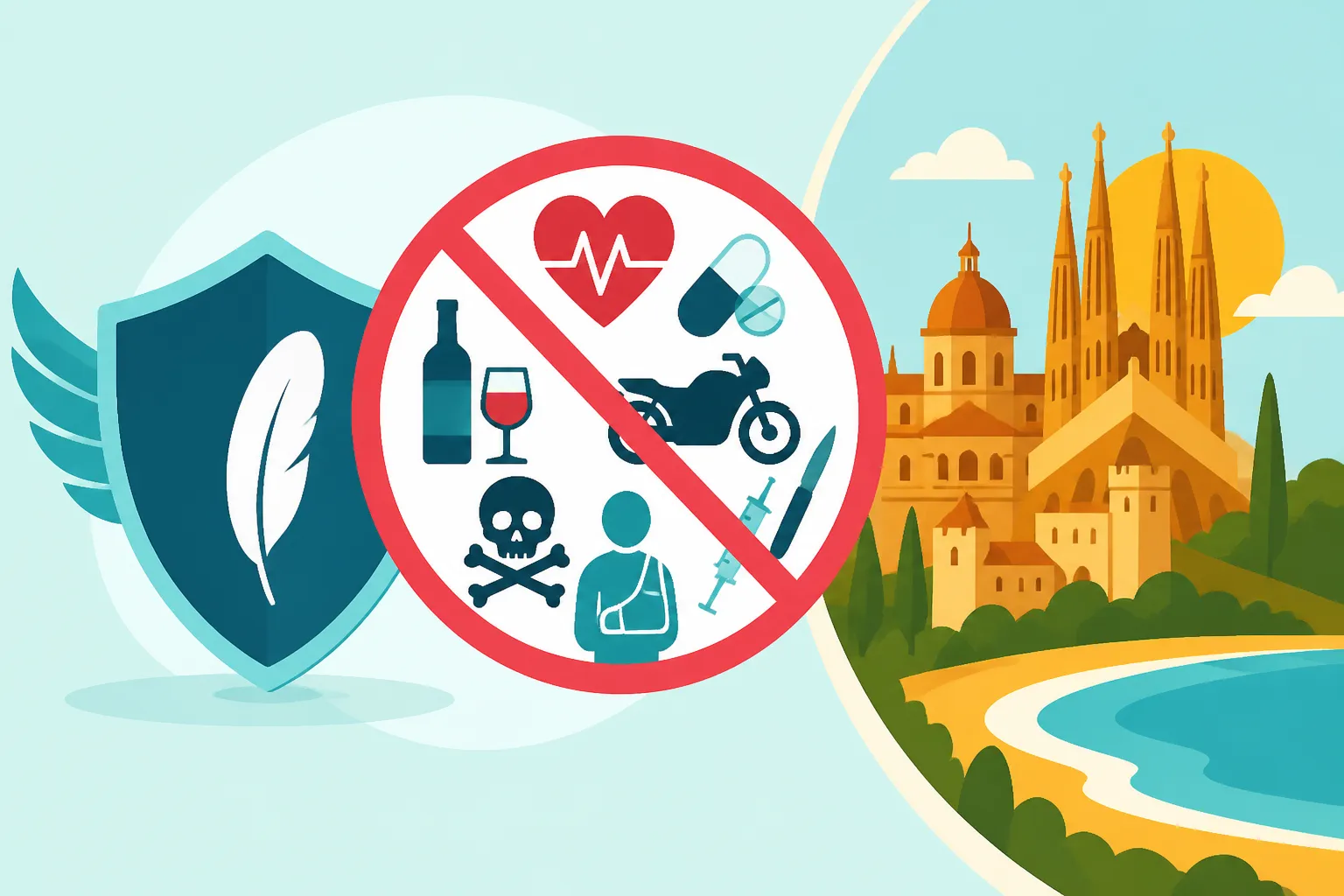
Broadly speaking, travel medical insurance policies tend to exclude a few key areas that are usually handled by long-term, comprehensive health plans. These typically fall into categories like pre-existing conditions, which are health issues you already had before your policy started. Then there are routine check-ups and preventative care – think annual physicals or vaccinations – which are part of regular health maintenance rather than emergency treatment. High-risk activities like extreme sports, and elective procedures that aren't medically urgent, also often find themselves on the exclusion list. These common exclusions are important to keep in mind, whether you're using SafetyWing or any other travel medical provider, as they shape how you plan your healthcare strategy while living in Spain.
SafetyWing's Specific Exclusions for Travelers in Spain
Now, let's get down to the nitty-gritty of what SafetyWing, while a fantastic option for many, generally won't cover for you here in Spain. It's essential to check your specific policy documents, of course, but these are the common areas where travelers and nomads often find themselves outside the scope of coverage.
Pre-existing Conditions and Ongoing Care
This is probably one of the most common areas of confusion for expats. SafetyWing, like most travel medical insurance policies, generally has significant limitations when it comes to pre-existing conditions. What does this mean in real terms? If you had a chronic illness, a recurring injury, or any health condition that existed before your SafetyWing policy started, medical expenses related to that condition are typically not covered.
For instance, if you've been managing high blood pressure for years and suddenly have a related issue in Spain, SafetyWing may not cover the treatment. The same goes for ongoing prescriptions for a condition you had prior to your coverage. While some acute flare-ups of certain stable, pre-existing conditions might have limited coverage, it's rarely comprehensive. This is where it's crucial to understand that travel medical plans differ from full-blown local health insurance like those offered by Spain Healthcare System for Expats: Public vs Private. If you have ongoing medical needs, it's really important to look into a dedicated Spanish private health insurance plan or understand your eligibility for public healthcare for your long-term residency.
Routine and Elective Treatments
Think of SafetyWing as your emergency parachute, not your regular health club membership. This means routine check-ups, preventative screenings, and elective treatments are usually off the table. Let's say you're due for your annual physical, a dental cleaning, or an eye exam to update your glasses prescription – these are all considered routine. If you decide to get some cosmetic dentistry done or explore fertility treatments, these would also fall under elective procedures.
In Spain, getting these routine services is usually straightforward, but you'd be paying out of pocket if you're relying solely on SafetyWing. For regular health maintenance, you'll need to either use your public health card (if you're eligible for the Spanish system), secure a separate private plan like those discussed in Health Insurance in Spain: Options for Residents, Students, and Families, or simply pay as you go. It’s also worth noting that things like vaccinations, unless required due to a sudden emergency or exposure, are generally not covered.
High-Risk Sports and Activities
Spain is an amazing place for outdoor adventures, from hiking rugged trails in the Picos de Europa to surfing on the Atlantic coast or even paragliding over beautiful landscapes. However, if you're an adrenaline junkie, you need to check your SafetyWing policy very carefully regarding high-risk sports. Many travel insurance policies, including SafetyWing, have exclusions for injuries sustained while participating in certain dangerous activities.
Common exclusions might include professional sports, competitive racing, free diving, mountaineering, or other extreme sports where the risk of serious injury is significantly higher. While casual hiking or swimming might be fine, an accident sustained while participating in a registered marathon or attempting a particularly challenging climb might not be. If you plan on engaging in any activities that could be considered high-risk, make sure to read your policy's fine print, as some providers offer add-on coverage for specific sports.
Mental Health and Substance Abuse
Mental health is incredibly important, and thankfully, more people are seeking support. However, travel medical insurance, including SafetyWing, often has limitations or exclusions concerning mental health care and substance abuse treatment. While an acute, emergency psychiatric crisis might be covered to stabilize a situation, ongoing therapy, counseling, or long-term rehabilitation for mental health conditions or substance dependency are typically not.
If you know you'll need regular therapy or support while in Spain, it’s vital to plan for this separately. You can explore options for Mental Health Support in Spain: How to Find Help as an Expat through local private clinics or, if eligible, through the public system. Don't assume that short-term travel insurance will cover comprehensive mental health services, as this is a specific area that usually requires dedicated, long-term health insurance.
Certain Types of Injuries or Accidents
There are also specific circumstances surrounding injuries or accidents that SafetyWing, and most other insurers, will not cover. This often includes self-inflicted injuries, attempts at suicide, or injuries sustained while under the influence of alcohol or non-prescribed drugs. Similarly, injuries that occur as a result of participation in illegal activities, acts of war, or civil unrest are generally excluded.
It’s about personal responsibility and predictable risk. If you are involved in an incident because you were breaking the law, or you were significantly impaired, the insurance company is unlikely to cover your medical costs. It’s a standard clause across the industry, designed to prevent covering costs that arise from preventable or intentional high-risk behaviors.
Cosmetic, Experimental, or Non-Medically Necessary Treatments
Any treatment that is primarily for aesthetic improvement, is still in the experimental phase, or is not deemed medically essential to your health and well-being will likely not be covered by SafetyWing. This is a very common exclusion. So, if you're thinking about getting liposuction, a facelift, or a new type of alternative therapy that hasn't been scientifically proven, you'll be paying for it out of your own pocket.
Even if a doctor recommends a procedure, if it falls into the category of "elective" or "non-essential," especially when compared to life-saving or urgent care, it will typically be excluded. This also applies to things like new prosthetics or medical devices that aren't replacing something lost due to an insured event, or for which there are perfectly adequate, less expensive alternatives.
| Common Medical Needs in Spain | Typically Covered by SafetyWing (Emergency/Accident Focus) | Usually Excluded by SafetyWing (Routine/Elective Focus) |
|---|---|---|
| Sudden Illness (e.g., flu, infection) | Yes (Emergency doctor visit, urgent medication) | No (Regular check-ups, long-term medication for pre-existing) |
| Accidental Injury (e.g., sprain, fracture) | Yes (ER visit, diagnostics, necessary surgery) | No (Chronic pain management, rehabilitation post-policy expiry) |
| Dental Emergency (pain relief) | Yes (Urgent treatment for acute pain, infection) | No (Routine cleaning, fillings, orthodontics, cosmetic work) |
| Pre-existing Condition Flare-up | Limited (Acute onset of stable condition, check policy) | Yes (Ongoing management, related prescriptions, non-acute care) |
| Routine Check-ups | No | Yes (Annual physicals, preventive screenings) |
| Vision Care | No | Yes (Eye exams, glasses, contact lenses) |
| Maternity Care | Limited (Acute complications in early pregnancy) | Yes (Routine prenatal, childbirth, postnatal care) |
| Mental Health | Limited (Acute crisis stabilization) | Yes (Long-term therapy, counseling, substance abuse rehab) |
| High-Risk Sports | No (Unless specified add-on or not explicitly excluded) | Yes (Injuries from excluded extreme sports) |
What SafetyWing Does Cover: The Reassurance Factor
While it's crucial to understand the exclusions, let's not lose sight of what SafetyWing does offer, because for many expats and digital nomads in Spain, it's an incredibly valuable safety net. SafetyWing is designed with flexibility and mobility in mind, making it a robust option for those who aren't yet settled into a permanent local health system.
Emergency Medical Coverage
This is where SafetyWing truly shines and provides immense peace of mind. If you experience a sudden illness or accidental injury while in Spain, SafetyWing is there to cover those crucial emergency medical expenses. We're talking about situations that require immediate attention: a nasty fall resulting in a broken bone, a sudden appendicitis attack, or a severe infection that lands you in the hospital.
SafetyWing provides coverage for things like emergency room visits, necessary doctor consultations (including when you need to Find an English-Speaking Doctor in Spain (Practical Guide) in a pinch), hospital stays, and prescribed medications directly related to the emergency. This core benefit means that for the truly unexpected and urgent situations, you won't be left with crippling medical bills. It's the essential safety net for anyone exploring Spain, living the digital nomad life, or waiting for their long-term residency to kick in.
Travel-Related Benefits
Beyond purely medical emergencies, SafetyWing also offers a suite of travel-related benefits that are incredibly useful when you're living a mobile lifestyle in Spain. These can include coverage for travel delay, lost checked luggage, and even emergency dental treatment specifically for acute pain relief.
Imagine you've booked a flight within Spain, or even out of the Schengen Area, and it gets unexpectedly cancelled, leading to unforeseen expenses. Or perhaps your luggage goes missing on a flight from Madrid to the Canary Islands. These are the kinds of inconveniences that SafetyWing helps mitigate. Critically, it also covers emergency medical evacuation, which means if you suffer a severe injury in a remote part of Spain (say, hiking in the Sierra Nevada) and need specialized transport to a suitable medical facility, SafetyWing can step in. This is a benefit that many standard travel insurance policies skimp on, but it's vital when you're abroad.
Flexibility for the Nomad Lifestyle
One of the biggest reasons SafetyWing has become a "hero" for the expat and digital nomad community is its unparalleled flexibility. It's designed for people who don't have a fixed plan, who might be moving between cities or even countries, and need coverage that moves with them. You can purchase SafetyWing even after you've started your trip, and it operates on a monthly subscription model that you can stop and start as needed.
This flexibility is particularly appealing for those on the Spain Digital Nomad Visa, as it provides a solution that often meets the visa's health insurance requirements for the initial stages. It means you don't have to commit to a long, rigid contract, and you can manage your coverage period easily online. Whether you're exploring Granada for a month, settling into Valencia for a few, or spending time in Barcelona, SafetyWing adapts to your journey. This ease of use and adaptability makes it a strong contender for those navigating their early days or flexible years in Spain.
Navigating Healthcare in Spain with SafetyWing (and Beyond)
So, you understand what SafetyWing covers and what it doesn't. Now, how do you actually make it work for you while living and traveling in Spain? The key is knowing when to lean on your SafetyWing policy and how to proactively address the gaps it leaves.
When to Use SafetyWing: Emergency Scenarios
SafetyWing is your go-to for unforeseen, urgent medical situations. If you wake up with a searing pain that won't go away, twist your ankle badly on a cobblestone street in Seville, or suddenly come down with a severe fever and chills that point to an infection, that's when you activate your SafetyWing coverage.
Here’s a typical scenario: you're enjoying a Sunday walk and trip, spraining your ankle. You'd head to the nearest Urgencias (emergency room) or Centro de Salud for urgent care. Once you've been assessed, treated, and have your medical reports, you'd contact SafetyWing to initiate a claim. For non-life-threatening but urgent issues, calling SafetyWing's assistance line before seeking extensive treatment (if time permits) can also guide you to approved facilities and streamline the claims process. Remember, it's for emergencies, not a routine visit to Seeing a Specialist in Spain: Referral Process Explained for a persistent cough you've had for months.
Planning for Exclusions: Filling the Gaps
Knowing SafetyWing's exclusions means you can proactively plan for your non-emergency health needs in Spain. If you're planning a long-term stay, relying solely on SafetyWing is simply not enough. You'll want to seriously consider applying for the Spanish public healthcare system if you're eligible (often through employment or residency), or securing a comprehensive private health insurance plan for day-to-day medical needs.
Many expats choose a hybrid approach: they use SafetyWing for its global emergency coverage and flexibility, but also invest in a local private health insurance policy in Spain (from providers like Sanitas or DKV, for instance) for routine GP visits, regular dental check-ups, specialist referrals, and general Routine Health Checkups in Spain: What’s Typical for Adults. This way, you have robust coverage for both emergencies and preventative care. Comparing options like those detailed in How to Compare Private Health Plans: Deductibles, Co‑Pays, Networks is a smart move. For specific needs like Dental Care in Spain: Public Coverage vs Private Clinics, you'll almost certainly need separate arrangements, as public dental coverage is very limited.
Practical Tips for Claiming with SafetyWing
If you do find yourself needing to make a claim with SafetyWing in Spain, here are some practical tips to make the process as smooth as possible:
- Keep Meticulous Records: This is key! Get copies of all medical reports, diagnoses, invoices, and payment receipts. If you pay cash, make sure you get a factura (official invoice) that includes the doctor's stamp and details, the date, cost, and a clear description of services rendered.
- Contact SafetyWing Early: For anything more than a very minor issue, contact their support team as soon as it's practical. They can guide you on approved hospitals or clinics, direct billing options, and the specific documentation they'll need for your particular situation.
- Understand Your Deductible: Remember that most SafetyWing plans come with a deductible, which is the amount you pay out of pocket before your coverage kicks in. Factor this into your immediate payment plans.
- Language Barrier: If you're in an emergency and struggling with Spanish, remember that SafetyWing's support team is international. You might also want to look into services for Medical Interpreters in Spain: Where to Find Help if you anticipate complex medical discussions.
By understanding SafetyWing's limitations and leveraging its strengths, you can confidently navigate the Spanish healthcare landscape, ensuring you have the right coverage for both expected health maintenance and those inevitable, unpredictable moments.
Disclaimer
Please remember that this article provides general information and guidance based on typical SafetyWing policy structures. Insurance policies can change, and individual circumstances vary. Always refer to your specific SafetyWing policy documents, including the full terms and conditions and certificate of insurance, for precise details on your coverage, exclusions, and claims procedures. This information should not be taken as professional financial or legal advice.