How to Try Surfing in Northern Spain as a Beginner
So, you've been dreaming of riding waves, feeling the ocean spray, and experiencing that pure, unadulterated joy of gliding across the water, but the thought of even trying to surf feels like a monumental hurdle, especially in a new country? Trust me, I get it. The ocean can seem intimidating, and finding your footing (literally!) in a foreign land only adds to the anxiety. But what if I told you that Northern Spain, with its incredible coastline and vibrant surf scene, is actually one of the most welcoming places for total beginners? This guide is here to strip away the mystery and walk you through everything you need to know to confidently catch your first wave and fall in love with surfing in this beautiful corner of Spain.
Disclosure: This post may contain affiliate links. We may earn a commission at no extra cost to you if you make a purchase through these links. Read full disclosure.
Why Northern Spain is a Surfer's Paradise for Beginners
Northern Spain, often overlooked by those chasing the flamenco and sunshine of the south, boasts a rugged, green coastline that's a world away in atmosphere but equally rich in charm. For aspiring surfers, it offers a uniquely accessible entry point into the sport, blending stunning natural beauty with a genuinely inclusive surf culture. It's not just about the waves; it's about the entire experience.
Gentle Waves and Sandy Beaches
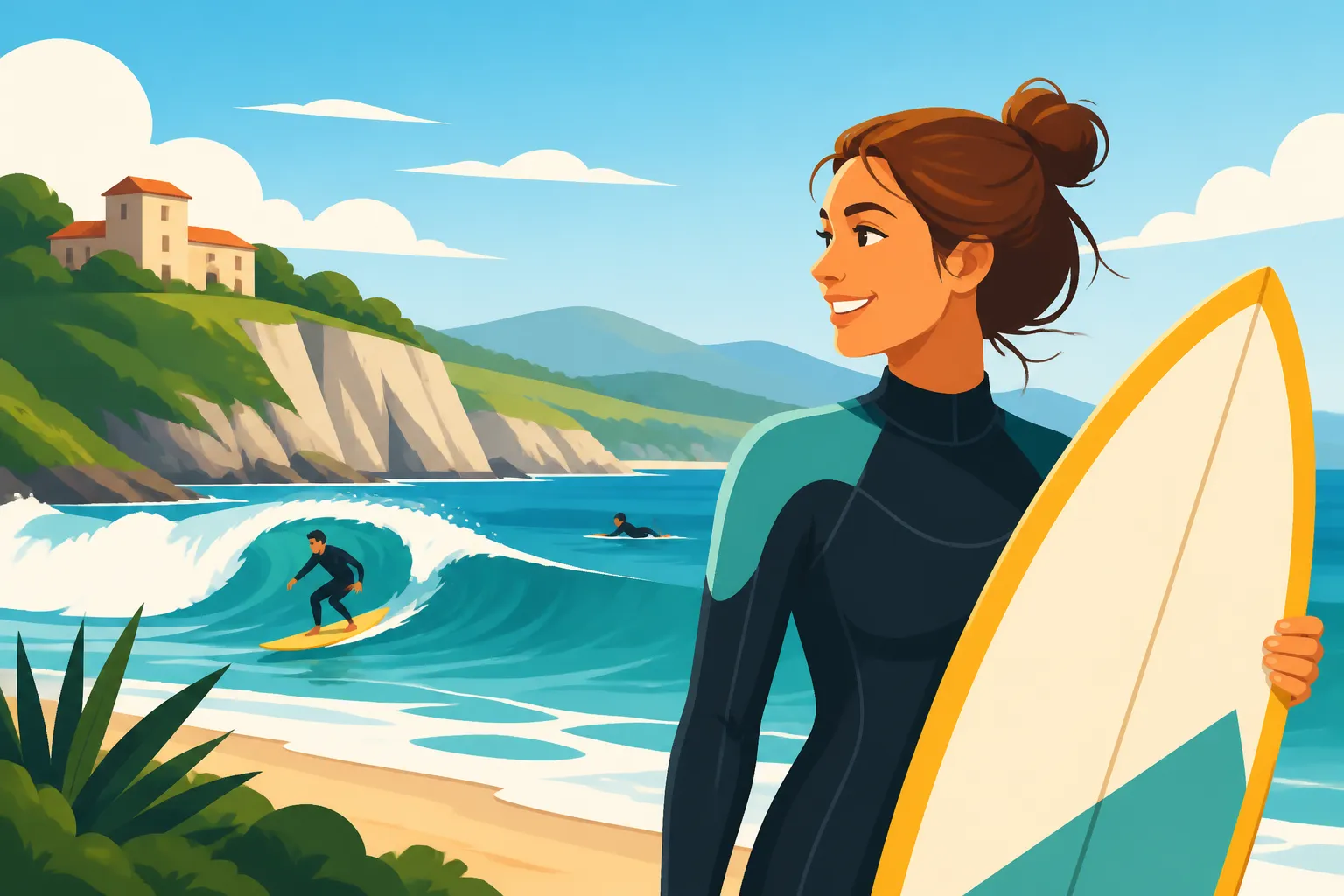
When you picture surfing, you might envision massive, powerful swells breaking over coral reefs – definitely not beginner-friendly! However, Northern Spain's Atlantic coastline is blessed with countless sandy beaches that feature much softer, rolling waves, particularly during the summer and early autumn months. These conditions are absolutely perfect for learning.
Imagine this: long stretches of golden sand, gently sloping into the sea, where waves break consistently and with less intensity. This provides an ideal environment for you to practice paddling out, feeling the board beneath you, and eventually, standing up. Beaches like Playa de Somo in Cantabria, or parts of Zarautz in the Basque Country, are renowned for their forgiving conditions and are often chosen by surf schools for this very reason. The sand bottoms mean fewer hazards, allowing you to focus on technique rather than worrying about sharp rocks. The consistent wave pattern also means more opportunities to try, fail, and try again within a single lesson, accelerating your learning curve dramatically.
A Vibe That Welcomes Everyone
One of the most appealing aspects of Northern Spain's surf scene is its incredibly laid-back and welcoming atmosphere. Unlike some more competitive surf destinations, the focus here is generally on enjoying the ocean, the sport, and the company. You'll find a genuine sense of camaraderie among surfers, regardless of skill level.
Surf schools and camps thrive on this inclusive spirit, creating an environment where beginners feel supported and encouraged, not judged. Instructors are typically patient, enthusiastic, and genuinely passionate about sharing their love for surfing. It's common to see a mix of ages and nationalities in the water, all sharing the same stoke. This accepting vibe extends beyond the beach to the small surf towns themselves, where local cafes and bars are accustomed to sandy-footed visitors and welcome everyone with open arms. You'll quickly discover that the journey of learning to surf often becomes as much about connecting with people and culture as it is about catching waves.
Stunning Scenery and Authentic Experiences
Beyond the waves themselves, learning to surf in Northern Spain offers an unparalleled backdrop of dramatic cliffs, verdant hills, and charming fishing villages. This isn't just a surf trip; it's an immersive cultural and natural adventure. The regions of Asturias, Cantabria, and the Basque Country each offer their own unique flavour.
After a morning of conquering whitewash, you can spend your afternoons exploring ancient towns, hiking coastal trails, or indulging in some of the most exquisite local cuisine. Picture feasting on fresh seafood and pintxos (the Basque Country's answer to tapas) after a long day in the water, with the sun setting over the Cantabrian Sea. These regions also provide plenty of opportunities to dive deeper into local life, perhaps by visiting a cider house in Asturias or exploring the Guggenheim Museum in Bilbao, making your surf trip a holistic travel experience. To truly appreciate the varied landscapes and towns, consider options for Renting a Car in Spain: Requirements, Insurance, and Driving Tips to give you the freedom to explore at your own pace.
Getting Started: Essential Steps for Your First Surf Trip
Embarking on your first surf adventure requires a bit of planning, but honestly, it’s half the fun! Knowing what to expect and having a few key things organized will make your experience smoother and far more enjoyable.
Choosing Your Ideal Surf Spot
Northern Spain is dotted with fantastic surf beaches, but for beginners, some stand out above the rest due to their accessibility and wave characteristics. The key is to find a spot with consistent, gentle waves and good infrastructure, like surf schools and rentals.
- Playa de Somo, Cantabria: Just a short ferry ride from Santander, Somo is often hailed as one of Spain's best beginner beaches. It's a long, sandy stretch with gentle beach breaks, making it ideal for learning. It also has numerous surf schools and a strong surf community.
- Zarautz, Basque Country: This charming coastal town near San Sebastián boasts a vast sandy beach with varied conditions, but often offers mellow waves perfect for novices, especially on its western side. The town itself is vibrant, offering a great post-surf atmosphere.
- Playa de Salinas, Asturias: Known for its wide expanse of sand and consistent, manageable waves, Salinas is another excellent choice. The town has a relaxed, friendly vibe, and surf schools are readily available.
When choosing, consider factors like how you'll get there. If you're relying on public transport, look into Intercity Buses in Spain: Networks, Booking, and Tips or even high-speed trains to nearby major cities like Santander or San Sebastián. Platforms like Omio can be incredibly helpful for comparing travel options and booking tickets seamlessly, getting you from a major city like Madrid to the coast without a hitch.
Finding the Right Surf School
This is arguably the most critical step for any beginner. A good surf school will not only teach you the basics safely but will also instill confidence and make the entire experience fun. Don't try to teach yourself; the ocean demands respect, and proper instruction is paramount.
Look for schools that offer small group lessons, ideally with a maximum instructor-to-student ratio of 1:8, or even smaller if possible. This ensures you get personalized attention and feedback. Check if they are officially certified and have experienced instructors who speak English if your Spanish isn't up to par (though learning some basic Spanish Language and Everyday Communication for Visitors phrases will always be appreciated!). Most reputable schools will include all necessary equipment – wetsuit, board, leash – in the lesson price. Reading online reviews on platforms like GetYourGuide or Google Maps can give you a good sense of a school's reputation and teaching style. Don't hesitate to contact a few schools beforehand to ask questions about their beginner programs, safety protocols, and what's included.
Accommodation and Logistics
Once you've picked a spot and a school, it's time to sort out where you'll lay your head and how you'll move around. Northern Spain offers a range of accommodation, from dedicated surf camps to charming guesthouses.
- Surf Camps: These are fantastic for beginners as they often combine accommodation, surf lessons, and sometimes meals, creating a ready-made community. Many are located right on or near the beach, making logistics incredibly easy. They're a great way to meet fellow aspiring surfers and share the experience.
- Hostels and Guesthouses: If a full camp isn't your style, hostels in surf towns often cater to surfers, providing a social atmosphere and sometimes even board storage. For something quieter, guesthouses (casas rurales or pensiones) offer a more traditional Spanish experience. You can find many options on Booking.com, filtering for locations close to your chosen surf beach.
- Apartments/Airbnbs: Ideal for longer stays or if you prefer more independence. Consider these if you're thinking about a longer stay, perhaps combining surfing with remote work. For longer-term housing, our guide on Finding Long-Term Rentals in Spain: Best Websites and Strategies might offer helpful insights, even if you’re just renting for a few weeks.
Getting to Northern Spain can involve flying into Bilbao (BIO), Santander (SDR), or Asturias (OVD). From there, you might take a bus, train, or rent a car. Again, Omio is a great tool for planning these connections. Consider if you want the flexibility of a car to explore different beaches or if you prefer to be based in one spot and rely on walking or local transport.
Your First Surf Lesson: What to Expect
The day of your first surf lesson is exciting, a little nerve-wracking, but mostly exhilarating! Knowing the typical flow can help ease any jitters and allow you to fully immerse yourself in the experience.
Equipment and Safety Briefing
Your lesson will almost always start with gathering your gear. You’ll be fitted for a wetsuit – essential for staying warm in the Atlantic waters, even in summer, and providing a bit of padding. Then, you’ll get your soft-top surfboard, which is specially designed for beginners. These boards are wider, thicker, and softer, making them stable and less intimidating.
Before even stepping foot in the water, your instructor will lead a crucial safety briefing. This covers essential topics such as understanding ocean conditions (currents, waves), how to fall safely off your board, protecting your head, and using your leash. You'll also learn about basic surf etiquette – like the "right of way" – which is vital for preventing collisions and respecting other surfers. This part might feel like a lot of information, but it’s critical for your safety and enjoyment. Pay close attention, and don't be afraid to ask questions. Remember, even seasoned pros started here, learning the fundamentals of Staying Safe in Spain: Common-Sense Tips for Travelers in the water.
Beach Drills and Paddling Basics
After the safety talk, it’s time for the "dry run" – practicing your pop-up technique on the sand. This involves lying on your board, then quickly transitioning to a standing position in one fluid motion. Your instructor will demonstrate and provide tips on foot placement, balance, and arm positioning. You'll likely do this many times, refining your muscle memory before adding the variable of moving water.
Next comes the paddling technique. You'll practice lying on your board, learning the most efficient way to paddle through the water using your arms. This is fundamental for catching waves and maneuvering your board. Often, instructors will introduce basic ocean theory, explaining how waves form and how to identify the smaller, broken "whitewash" waves that are perfect for beginners. This stage is all about building confidence and getting comfortable with the movements before the dynamic environment of the ocean.
Catching Your First White Water Wave
This is it – the moment you’ve been waiting for! With wetsuits on, boards in hand, you’ll head into the shallow water. Your instructor will guide you to an area where the waves have already broken, creating gentle "whitewash" that rolls towards the shore.
They’ll help position you and your board, tell you when to start paddling, and often give you a gentle push to help you catch that first bit of whitewater. The goal is to paddle hard, feel the wave lift you, and then, using your practiced pop-up, stand up! It rarely happens perfectly on the first try – or the fifth, or the tenth. You’ll fall, you’ll laugh, you’ll probably swallow some seawater, but that feeling when you do manage to stand, even for a few seconds, is pure magic. It’s an incredible rush that makes all the effort worthwhile. Patience and persistence are your best friends here. Every wipeout is a learning opportunity, and every successful ride, no matter how short, is a triumph.
Beyond the First Lesson: Tips for Continued Progress
So, you've tasted the thrill of the wave and you're hooked? Fantastic! Northern Spain offers ample opportunities to continue your surfing journey and integrate it into a broader exploration of its rich culture and stunning landscapes.
Practicing Independently and Renting Gear
After a few lessons, you'll start to feel more comfortable and may want to practice on your own. Most surf schools also offer board and wetsuit rentals by the hour or day. This is a great way to consolidate what you've learned without the pressure of a formal lesson. However, it's crucial to be mindful of your skill level and the ocean conditions.
Always choose beaches with smaller, less crowded waves when practicing alone. Stick to areas designated for beginners and always check local surf forecasts for wave size and currents. Never go out if you feel unsure or if the conditions seem too challenging. It's also wise to check with your surf school or local surf shop for advice on safe spots and times to practice. Remember, respect for the ocean and self-awareness of your abilities are key for continued safety and enjoyment.
Understanding Ocean Etiquette and Safety
As you spend more time in the water, understanding surf etiquette becomes increasingly important. It's not just about politeness; it's about safety and maintaining harmony in the lineup. Key rules include:
- Right of Way: The surfer closest to the peak of the wave (where it's breaking first) has the right of way. Don't "drop in" on someone else's wave.
- Don't Snake: Avoid paddling around other surfers to get into a priority position.
- Don't Ditch Your Board: If you're falling, try to hold onto your board or push it away from others to prevent it from becoming a hazard.
- Communicate: A simple "¡Hola!" or "¡Voy!" (I'm going!) can help avoid collisions. Learning a few Spanish Medical Terminology: Common Words Expats Should Know might seem unrelated, but in case of a minor mishap, it could prove useful!
Beyond etiquette, always be aware of potential rip currents – strong, narrow channels of water moving away from shore. If caught in one, don't paddle against it; instead, paddle parallel to the shore until you're out of the current, then paddle back in. Always be aware of other surfers and swimmers around you.
Exploring More Surf Spots and Local Culture
Northern Spain has a wealth of surf spots, and as your skills progress, you might want to venture beyond your initial learning beach. Each region offers something unique. For example, the Cantabrian coast boasts gems like El Sardinero (Santander) or Noja, while Asturias has beautiful beaches such as Rodiles. The Basque Country, of course, is world-famous for its powerful waves, but still has beginner-friendly corners to discover.
Make your surf trip a deeper dive into the region. Explore the local towns, savor the regional gastronomy – from cider in Asturias to pintxos in the Basque Country (our guide to Spanish Food and Drink: A Practical Culture Guide is a great start!). Many towns offer other outdoor activities, like hiking or cycling, that can be booked through platforms like GetYourGuide, which often features local experiences and tours. Combine your surfing with visits to historic sites, national parks, or simply enjoying the stunning natural beauty. Consider visiting during the shoulder seasons (spring or autumn) for fewer crowds and still excellent surf conditions. You might even find yourself falling in love with the unhurried pace of life here.
To help you get a clearer picture of some beginner-friendly surf spots, here's a quick comparison:
| Surf Spot | Region | Wave Type | Best For | Key Features | Nearby Major City |
|---|---|---|---|---|---|
| Playa de Somo | Cantabria | Beach Break | Absolute Beginners | Long, sandy beach; many surf schools; easily accessible by ferry from Santander. | Santander |
| Zarautz | Basque Country | Beach Break | Beginners, Progression | Wide beach with varied sections; vibrant surf town; good for lessons and practice. | San Sebastián |
| Playa de Salinas | Asturias | Beach Break | Beginners | Expansive beach; consistent waves; relaxed atmosphere; strong local surf scene. | Avilés |
| San Vicente de la Barquera | Cantabria | Beach Break | Beginners, Intermediates | Beautiful bay; multiple surf peaks; scenic town backdrop; good for all levels. | Santander |
Remember, the journey of learning to surf is just that – a journey. It's filled with exhilarating highs, frustrating lows, and countless moments of pure connection with nature. Northern Spain provides the perfect setting for this adventure, offering not just waves, but a rich tapestry of culture, cuisine, and breathtaking scenery. So pack your bags, embrace the unknown, and get ready to experience the magic of surfing in Spain!
Disclaimer
Please note that while this guide provides comprehensive advice based on current information, circumstances can change. Always check the latest local regulations, weather forecasts, and ocean conditions before engaging in any water sports. The author and publisher are not liable for any personal injury or loss incurred as a result of following the information in this guide. Always prioritize your safety and consult with local experts, such as surf schools, for real-time advice.