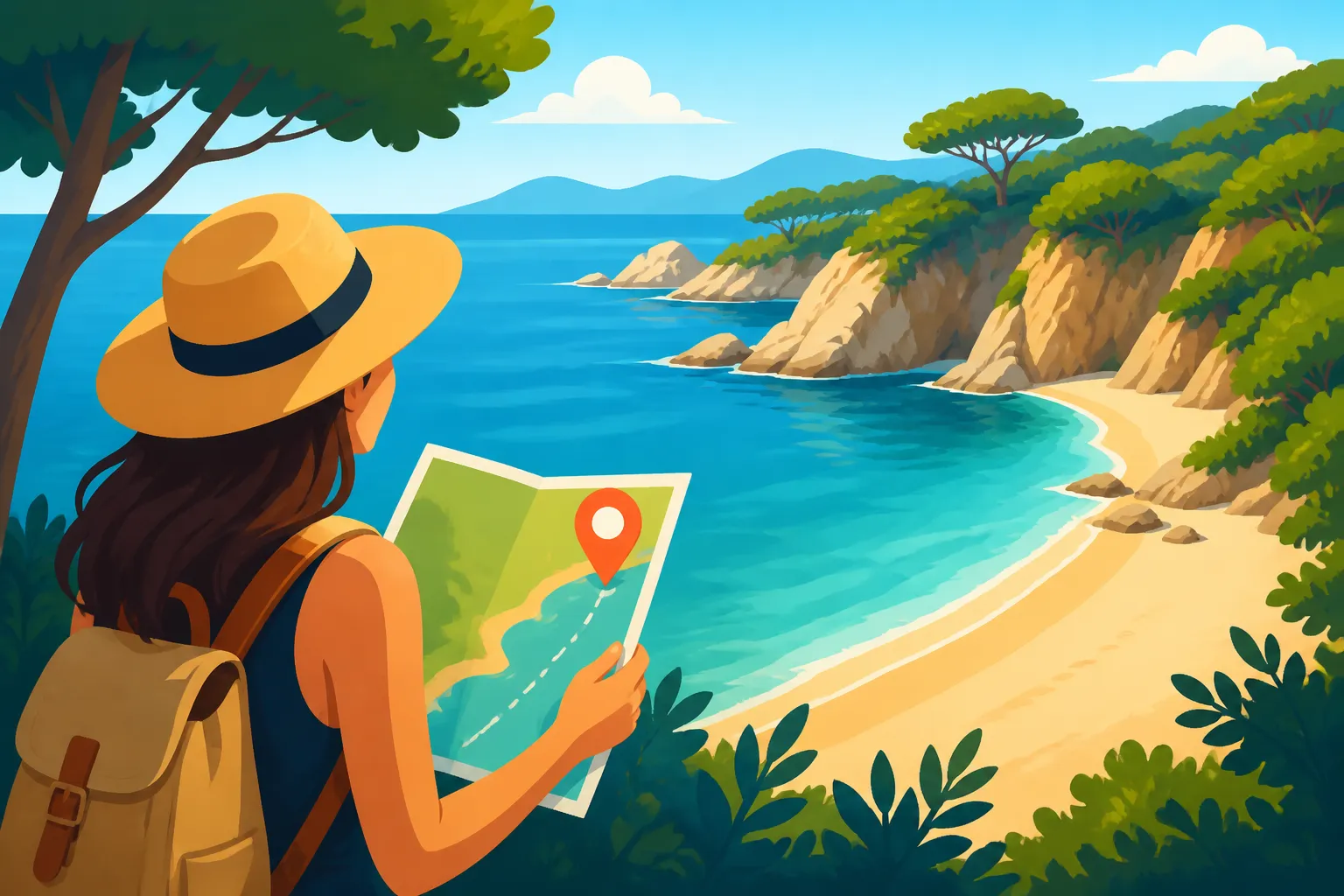
How to Find Uncrowded Beaches on the Costa Brava
Oh, the Costa Brava! Just saying the name conjures images of sparkling turquoise waters, dramatic cliffs, and charming fishing villages. It's truly a jewel of Spain, a place that captures your heart with its raw beauty and vibrant culture. But let's be real, especially for us expats who often arrive during the bustling summer months or peak holiday periods, those idyllic images can quickly be replaced by scenes of packed beaches, elbow-to-elbow sunbathers, and the constant hunt for a spare patch of sand. It can be incredibly frustrating to dream of a tranquil escape only to find yourself in a human sardine can. But don't despair! With a bit of insider knowledge and a willingness to explore, you absolutely can find those serene, uncrowded beaches on the Costa Brava, even when everyone else is flocking to the usual hotspots. This guide is all about sharing those secrets, so you can claim your own slice of coastal paradise.
Disclosure: This post may contain affiliate links. We may earn a commission at no extra cost to you if you make a purchase through these links. Read full disclosure.
Understanding the Costa Brava's Charm and Crowds
The Costa Brava, stretching from Blanes up to the French border, is famous for a reason. Its unique landscape—where the Pyrenees meet the Mediterranean—creates a breathtaking coastline with rugged cliffs, pine forests, and hundreds of stunning coves and beaches. This natural beauty, combined with its rich history, delicious food, and picturesque towns, makes it an irresistible destination.
Why the Costa Brava Gets So Busy (and Why It's Worth It Anyway)
Let's face it, beauty attracts a crowd. The Costa Brava's appeal isn't a secret. During July and August, when much of Europe is on holiday, people flock here from all over, not just international tourists but also Spaniards seeking refuge from inland heat. Think about it: glorious sunshine, warm waters, fantastic seafood, and towns like Lloret de Mar, Tossa de Mar, or Cadaqués offering everything from vibrant nightlife to artistic heritage. Who wouldn't want a piece of that? The infrastructure is generally good, with plenty of options for Traveling Around Spain: Trains, Buses, Flights, and Car Hire. However, this very popularity means that the most accessible and well-known beaches, particularly those in or directly adjacent to popular towns, can become overwhelmingly crowded.
Despite the crowds, the Costa Brava remains utterly worth it. The sheer variety, from the wild northern reaches near Cap de Creus to the more developed southern stretches, means there's always something new to discover. The cultural richness of towns like Girona, with its stunning medieval Jewish Quarter, or the surrealist legacy of Salvador Dalí in Figueres and Portlligat, adds layers to the experience beyond just sun and sand. It's a place that continually rewards exploration, even if it sometimes means having to work a little harder to find your personal haven.
The Peak Season Problem: When to Avoid the Hordes
If you're really chasing solitude, avoiding July and August is your absolute best bet. This is the undisputed high season, when European schools are out and holidaymakers descend en masse. Prices for accommodation soar, restaurants are fully booked, and those picturesque beaches become human mosaics. The temperatures can also be quite high, often hovering around 30°C (86°F), which isn't always conducive to strenuous hikes to a remote cove.
Consider the "shoulder seasons" instead. Late May to June and early September to early October are truly magical times to experience the Costa Brava. The weather is still gloriously warm, the sea is pleasant for swimming, and crucially, the crowds have thinned considerably. You'll find lower prices, easier parking, and a much more relaxed vibe. Many businesses are still open, but the frantic pace of summer has subsided. Even late April or early November can offer beautiful, crisp days for coastal walks, though swimming might be reserved for the hardier souls among us. If you can only come during peak summer, don't worry, there are still ways to find peace, but it requires more strategic planning, as we'll discuss.
Strategies for Discovering Your Own Slice of Paradise
Finding an uncrowded beach on the Costa Brava isn't about luck; it's about strategy. It means thinking differently from the masses and being willing to put in a little extra effort. But trust me, that extra effort is always worth it when you find yourself on a stunning stretch of sand with only a handful of others, listening to the waves lap the shore.
Go Off-Season or Shoulder Season
As mentioned, timing is paramount. If your schedule allows, aiming for the shoulder seasons (May-June or September-October) is the single most effective way to avoid the crowds. Imagine strolling along the gorgeous Platja de Castell, near Palafrugell, in late September. Instead of jostling for towel space, you might find ample room, the sun still warm on your skin, and the sea perfectly inviting. This allows you to experience popular spots like Begur or Calella de Palafrugell without the feeling of being overwhelmed. The water might be slightly cooler in May or October compared to August, but it's often still very pleasant for a swim, and the tranquility more than makes up for it.
During these times, you'll also find that parking, which can be a nightmare in high season, is far more manageable, and booking a table at that fantastic seafood restaurant becomes a relaxed affair rather than a frantic race. Even the charming towns themselves, like Cadaqués, are transformed from bustling hubs into sleepy, idyllic havens perfect for a leisurely afternoon exploring art galleries and boutique shops.
Embrace the "Cala" Culture: Hidden Coves and How to Reach Them
The Costa Brava is renowned for its calas – small, often secluded coves nestled between rocky outcrops. These are your best friends in the quest for solitude. Many of the most stunning calas require a bit of effort to reach, which automatically deters the casual beachgoer. This often involves a walk along the Camí de Ronda, the ancient coastal path, or navigating a winding, unpaved road.
Don't be afraid to leave the car (or scooter!) behind and walk. Sometimes, a 15-20 minute trek down a well-maintained path will lead you to a vastly quieter spot than the easily accessible beaches. These paths offer breathtaking views themselves, becoming part of the adventure. Just make sure you're wearing appropriate footwear – flip-flops won't cut it for some of these rocky trails! Always check a map beforehand, or consult local guides (or a quick online search) to gauge the difficulty of the access path.
Rise Early, Stay Late: Timing is Everything
Even on the most popular beaches, you can snatch moments of peace by being an early bird or a late-day lingerer. The early morning hours, typically before 9 or 10 AM, are usually serene. Imagine the soft golden light, the calm waters, and the quiet sounds of nature before the day's hustle truly begins. This is a fantastic time for a refreshing swim, a peaceful walk, or simply enjoying your coffee with a view.
Conversely, as the afternoon wears on, especially after 5 PM, many families and day-trippers start packing up. The sun might be less intense, making it ideal for a relaxing dip or enjoying the beautiful evening light. Some of the most magical moments on the Costa Brava happen as the sun begins to set, casting warm hues over the sea and cliffs. You can enjoy a tranquil swim, then perhaps grab a sundowner at a chiringuito (beach bar) that has suddenly become much less crowded.
Venture Further North or South
The central Costa Brava, around towns like Palafrugell, Begur, and L'Estartit, tends to be the most popular and, consequently, the most crowded. To find more peace, consider exploring the northernmost or southernmost stretches of the region.
The area north of Roses, heading towards Cap de Creus and Portbou, is wilder, more remote, and generally less developed. The roads can be winding, and the terrain rugged, but the rewards are spectacular: pristine coves and a true sense of untamed nature. Towns like Cadaqués still get busy, but the surrounding calas are often more accessible to those willing to hike.
Similarly, the southernmost part of the Costa Brava, below Sant Feliu de Guíxols and Tossa de Mar, can also yield quieter spots. While closer to Barcelona, some of these areas have less dramatic coastlines or fewer iconic towns, which means they escape the peak tourist crush. They might not always have the dramatic cliff faces of the central Costa Brava, but they offer their own charm and, importantly, more space.
Specific Uncrowded Gems (and How to Get There)
Now, for the juicy bits! While I won't give away every secret (some must be discovered!), here are some fantastic options for finding peace on the Costa Brava. Remember, "uncrowded" is relative during peak season, but these spots consistently offer more tranquility than the main town beaches.
Beyond the Buzz: Northern Costa Brava's Quieter Shores
The further north you go on the Costa Brava, especially past Roses and towards the Cap de Creus Natural Park, the wilder and more remote the coastline becomes. This is prime territory for finding secluded spots.
One fantastic example is Cala Jugadora, nestled within the stunning Cap de Creus Natural Park, not far from Cadaqués. It's a small, pebbly cove with crystal-clear waters, perfect for snorkeling. The landscape here is truly unique, almost lunar, with wind-battered rocks sculpted by the Tramuntana wind. To reach it, you'll need to drive towards the Cap de Creus lighthouse, then take a short, beautiful walk. It's a bit of an adventure, and the road can be narrow, but the reward is immense. Because of its remote location, it rarely gets overrun, even in summer. This is an ideal spot for those seeking a true escape and an opportunity to connect with nature.
Another gem is Cala Rostella, located near Roses. This beautiful cove boasts coarse sand and pebbles, surrounded by lush pine forests. The water is incredibly clear, making it another favorite for snorkelers. Access involves a walk down a somewhat steep dirt track, which helps keep the masses away. The path can be a little tricky, so sturdy shoes are advisable. Pack a picnic, as there are no facilities here, which is part of its charm. You can often find parking along the road leading down, but it fills up fast in high season. For those relying on public transport, reaching spots like this can be a bit more challenging, but you can always check local bus schedules from Roses or consider a taxi for the final stretch.
Southern Secrets: Lesser-Known Beaches Near the Action
Even in the more developed southern Costa Brava, pockets of tranquility exist if you know where to look. While towns like Tossa de Mar have stunning main beaches, they also have quieter neighbors.
Cala Pola, located just south of Tossa de Mar, is a beautiful horseshoe-shaped cove with golden sand and clear water. It's home to a campsite, which means it has some facilities, but it's generally far less crowded than the main beaches of Tossa. Access is via a winding, somewhat steep road, which helps filter out some of the crowds. If you're staying in the area, it's a great option for a day trip. You can find bus connections to Tossa de Mar, and from there, a local shuttle or even a pleasant walk along the Coastal Path: Camí de Ronda.
Another excellent option is Cala del Senyor Ramón, near Santa Cristina d'Aro. This picturesque, nudist-friendly beach (though not exclusively so) is nestled below cliffs, offering a wilder, more natural feel. It’s a mix of coarse sand and pebbles, with striking turquoise waters. The challenge here is the access: a steep, unpaved road that might deter some drivers. There's limited parking, and it can be a scramble, but if you manage to get down, you'll be treated to a stunning, often peaceful, beach. This is one of those places where an early morning arrival really pays off, giving you a few hours of almost complete solitude before others trickle in.
Hiking to Serenity: Accessing Remote Calas
The Camí de Ronda is your ultimate tool for finding hidden beaches. This ancient coastal path, which once served as a patrol route against pirates and smugglers, now offers incredible hiking opportunities along the entire Costa Brava. Many of the most beautiful and secluded calas are only accessible via sections of this path.
Consider a hike from Calella de Palafrugell towards Llafranc, but instead of stopping at the main beaches, look for trails leading down to lesser-known coves like Cala El Golfet. This little cove, just south of Calella, is small but perfectly formed, with gorgeous clear water. While not entirely "secret," its slightly more challenging access point along the Camí de Ronda keeps it from becoming as packed as its neighbors. It’s perfect for a refreshing swim after a morning walk.
Another fantastic hiking destination is Platja del Castell near Palamós. While it's a popular beach for families (it's one of the last undeveloped sandy beaches on the Costa Brava), if you continue along the Camí de Ronda from here, either north or south, you'll find smaller, rockier, and much quieter coves like Cala Estreta or Cala S'Alguer. Cala Estreta, for instance, is famous for its picturesque fishermen's huts and is reached by a beautiful 20-30 minute walk from Platja del Castell. These places genuinely feel like a step back in time and offer the kind of peaceful experience that postcards are made of. When planning your hike, always make sure to wear sturdy shoes, bring plenty of water, and check the weather forecast. Websites like Wikiloc are excellent resources for finding detailed trail information and difficulty ratings.
Practical Tips for a Peaceful Beach Day
Even once you've found your serene spot, a little preparation goes a long way in ensuring your beach day is as peaceful and enjoyable as possible.
Essentials to Pack for Remote Beaches
When venturing to these less-frequented calas, you can't rely on finding a beach bar or a corner shop. Here's what you absolutely need:
- Plenty of Water: More than you think you'll need, especially on a hot day or if you're hiking. Dehydration is no fun.
- Snacks/Picnic: Pack sandwiches, fruit, nuts, or whatever you fancy.
- Sun Protection: High SPF sunscreen, a wide-brimmed hat, and sunglasses are non-negotiable. The Spanish sun, even in shoulder season, is powerful.
- Towel: Obvious, but don't forget it!
- Sturdy Footwear: If hiking to your spot, wear proper walking shoes, not flip-flops. You can always change into sandals once you're on the sand.
- Snorkeling Gear: The clear waters of the Costa Brava's coves are perfect for exploring underwater life. You'll thank yourself for bringing a mask and snorkel.
- Swimsuit: Again, obvious, but it's on the checklist!
- Small First-Aid Kit: Blisters, scrapes, or minor cuts can happen, especially on rocky paths. Include plasters, antiseptic wipes, and pain relievers.
- Trash Bag: Crucial for leaving no trace (more on this next).
- Portable Charger: For your phone, especially if you're using it for navigation or photos in a remote area.
- Small Backpack: Much easier to carry your gear on a hike than multiple bags.
Respecting Nature: Leave No Trace
Part of the reason these uncrowded beaches remain beautiful is because they are respected. It's incredibly important that we, as visitors and expats, uphold this ethos of "leave no trace."
- Take Everything Out That You Brought In: This includes all your trash, food wrappers, fruit peels, cigarette butts, and even organic waste. Don't leave anything behind, no matter how small.
- Stick to Marked Paths: When hiking, stay on the designated trails to protect fragile vegetation and prevent erosion.
- Respect Wildlife: Observe animals from a distance and avoid disturbing their natural habitat.
- No Fires: Building fires is strictly prohibited on beaches and in natural parks, especially during dry seasons, due to the extreme risk of wildfires.
- Be Mindful of Noise: Keep voices and music low to maintain the peace for others and the natural environment.
By adhering to these principles, you help preserve the Costa Brava's natural beauty for everyone, including future generations of expats and visitors.
Transport Options for Off-the-Beaten-Path Spots
Getting to these hidden gems often requires a bit more thought than simply hopping on a bus to the main town beach. Here’s a breakdown of your options:
Car Rental for Ultimate Flexibility
Renting a car is, without a doubt, the most convenient way to explore the Costa Brava's hidden coves. It gives you the freedom to drive down winding country roads, stop at viewpoints, and reach trailheads that are inaccessible by public transport. You can pick up a car at Girona-Costa Brava Airport (GRO) or even Barcelona El Prat (BCN). Websites like Booking.com often have good deals on car rentals through their partners, allowing you to compare options and secure a vehicle for your trip. Just be aware that some smaller roads leading to calas can be challenging, and parking might be limited, especially in summer. Always double-check if your chosen car rental includes full coverage for smaller roads.
Public Transport and Strategic Walking
While less flexible, public transport can still get you close to many fantastic spots. Buses connect most major towns on the Costa Brava. From these towns, you can then embark on sections of the Camí de Ronda to reach more secluded calas. For planning longer journeys between cities or across regions, Omio is a fantastic resource, allowing you to compare and book bus and train tickets seamlessly. For local routes, check the websites of companies like Sarfa or Moventis. The key is to research the final leg of your journey – that walk along the coastal path – to ensure it’s within your comfort level.
Guided Tours for Hassle-Free Exploration
If you prefer not to worry about logistics, especially for kayaking or snorkeling trips to otherwise inaccessible coves, consider a guided tour. Platforms like GetYourGuide offer a variety of excursions, including boat trips to remote calas, guided kayaking tours along the coast, or even hiking trips that incorporate swims in secluded spots. These tours often take you to places you wouldn't easily find on your own and provide all the necessary equipment, making for a truly hassle-free day of exploration.
Here's a quick comparison of transport options:
| Transport Method | Pros | Cons | Best For |
|---|---|---|---|
| Car Rental | Maximum flexibility, access to most remote areas, carrying gear. | Parking can be scarce/expensive, narrow/unpaved roads, fuel costs. | Exploring multiple hidden calas, families, carrying lots of gear. |
| Public Bus + Walk | Economical, eco-friendly, avoids parking stress in towns. | Limited routes/schedules, requires significant walking, less flexibility. | Reaching towns and then hiking to nearby coves, budget travelers. |
| Bicycle/E-Bike | Environmentally friendly, great exercise, access to some paths. | Limited range, can't carry much, not suitable for all terrains/distances. | Short trips to nearby coves from a base town, active individuals. |
| Taxi/Ride-share | Convenient for specific point-to-point, no parking worries. | Can be expensive, may not be available in very remote spots. | One-off trips to a specific remote beach, avoiding self-driving stress. |
| Guided Boat/Kayak Tour | Access to sea-only coves, equipment provided, no navigation stress. | Fixed itinerary, less personal freedom, specific departure times. | Experiencing sea caves, snorkeling, reaching otherwise impossible spots. |
No matter how you choose to get there, the reward of finding a peaceful, uncrowded beach on the Costa Brava is an experience that will stay with you long after the sand has left your toes.
Disclaimer
Please note that while I strive to provide accurate and up-to-date information, circumstances in Spain, including local regulations, opening hours, and accessibility to certain areas, can change. Always check the latest local information and conditions before planning your trip. The mention of specific brands or services is for informational purposes and convenience, and I encourage you to research and choose options that best suit your personal needs and preferences.