How to Enjoy Las Fallas in Valencia as a Visitor
If you're planning a trip to Valencia during Las Fallas, let me tell you, you're in for an experience like no other. It’s a sensory overload of fire, sound, and vibrant artistry, but it can also be incredibly overwhelming if you don't know what to expect. This guide is here to help you navigate the exhilarating chaos, find the hidden gems, and truly soak in every fiery moment of one of Spain's most spectacular festivals as a visitor.
Disclosure: This post may contain affiliate links. We may earn a commission at no extra cost to you if you make a purchase through these links. Read full disclosure.
Understanding the Heart of Las Fallas: What's It All About?
Las Fallas isn't just a party; it's a deeply rooted cultural tradition in Valencia that mixes satire, art, and an incredible amount of gunpowder. It’s essentially a giant outdoor art exhibition that culminates in a spectacular bonfire. For days, the city buzzes with activity, leading up to the grand burning. It’s a truly unique celebration, a UNESCO Intangible Cultural Heritage event, and something every expat or tourist in Spain should try to experience at least once.
The Ninots and Their Fiery Fate
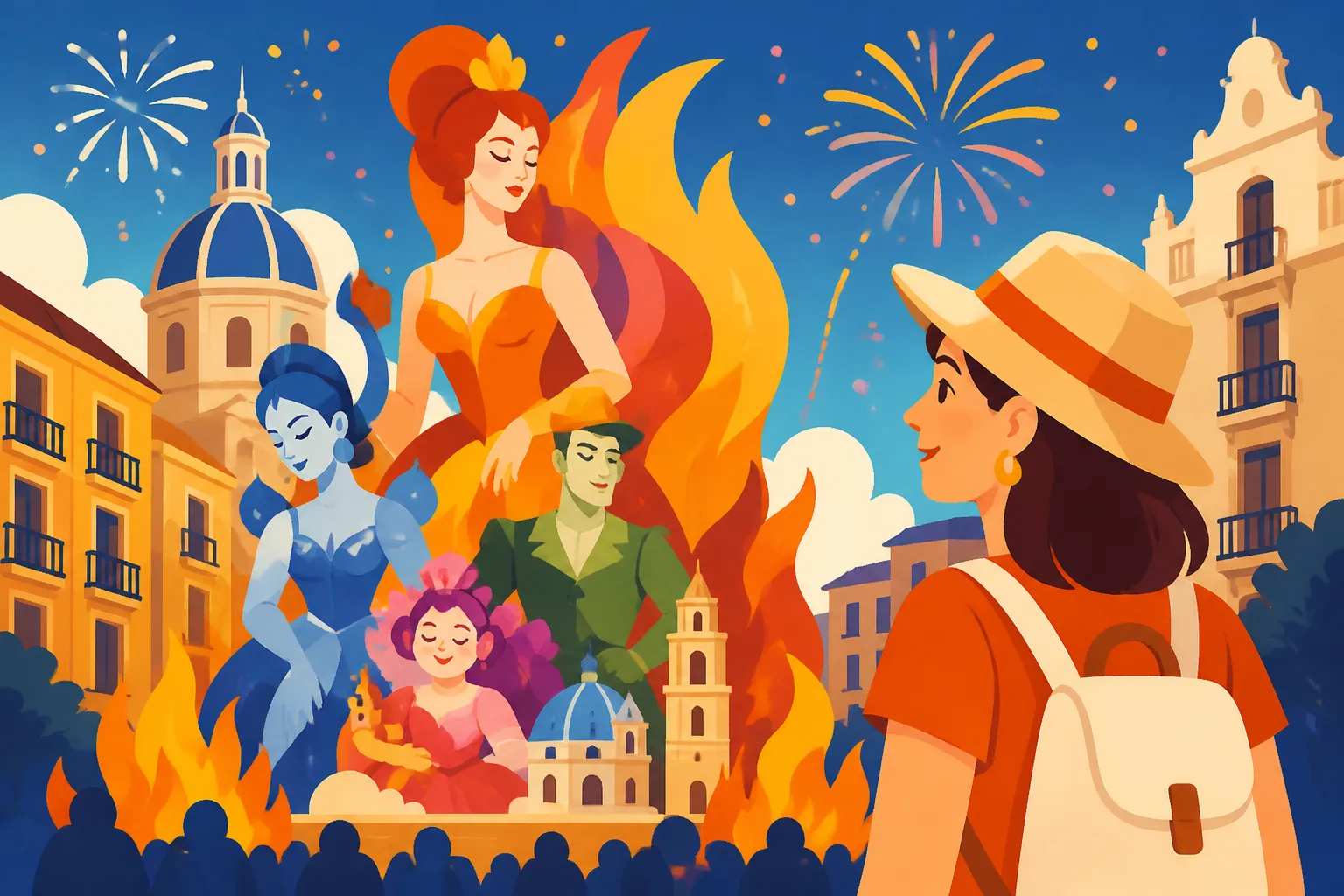
At the very core of Las Fallas are the "ninots," which are colossal, often multi-story, effigies or sculptures. Imagine satirical political cartoons, pop culture references, and social commentary brought to life in towering, intricate figures made of wood, papier-mâché, and polystyrene. These aren't just pretty statues; they often depict humorous or critical scenes, making fun of politicians, celebrities, or current events. Each falla (the entire monument) is created by a casal fallero, a neighborhood association that spends the entire year fundraising and working on their artistic creation.
Before the grand burning, there's the Exposición del Ninot, where you can see a selection of the best individual ninots from each falla in a dedicated exhibition hall, typically in the Ciudad de las Artes y las Ciencias. It’s a fantastic opportunity to see the incredible detail and craftsmanship up close without the street crowds. Visitors can vote for their favorite ninot, and the one that wins is "pardoned" from the flames in what's known as the Indult del Ninot. This lucky ninot gets to live on in the Fallas Museum, offering a small glimpse into the history of these amazing creations. The rest, however, face their fiery destiny during the Cremà on the final night. This act of burning is symbolic, representing the purification and renewal, burning away the old year's troubles to make way for the new. It’s a powerful, almost ritualistic, moment that signifies the end of the festival.
A Symphony of Sound: Mascletà and Cohetes
If you’ve never experienced a Mascletà, prepare for something utterly unique. It’s not about visual fireworks in the sky; it's a rhythmic, deafening display of firecrackers designed to create a crescendo of sound and vibration. Every day from March 1st to March 19th, at precisely 2 PM, the Plaza del Ayuntamiento becomes the epicentre of this incredible spectacle. The ground literally shakes beneath your feet as thousands of firecrackers explode in a carefully choreographed sequence, building up to a thunderous finale.
The Mascletà is more than just noise; it’s an emotional experience for Valencians. The smell of gunpowder fills the air, and the concussive force of the explosions resonates through your chest. Many expats find it a jarring experience at first, but it quickly becomes an addictive part of the Fallas rhythm. Beyond the daily Mascletà, you’ll hear cohetes (rockets) and petardos (firecrackers) constantly throughout the city, starting with despertàs (wake-up calls) in the early mornings, where falleros march through the streets setting off small firecrackers to rouse the neighborhood. It's truly a city that lives and breathes gunpowder during this period, so if you're sensitive to loud noises, consider bringing earplugs! Understanding the significance of these pyrotechnics is key to appreciating the local culture. You can find more insights into Spanish Customs, Etiquette, and Social Life by observing how locals react to these events.
Essential Experiences: Must-Dos for Your Las Fallas Visit
With so much happening during Las Fallas, it can be hard to know where to begin. Think of it as a multi-day marathon, not a sprint. Pace yourself, and pick a few key experiences to truly immerse yourself in. Each event offers a different flavour of the festival, from solemn beauty to explosive revelry.
The Grand Parade: Ofrenda de Flores
The Ofrenda de Flores, or "Offering of Flowers," is arguably the most beautiful and moving event of Las Fallas. Over two days, March 17th and 18th, thousands of falleros and falleras (members of the fallas committees), dressed in elaborate traditional costumes, parade through the streets of Valencia, carrying bouquets of red and white carnations. Their destination is the Plaza de la Virgen, where they offer their flowers to a colossal wooden statue of the Virgin Mary, patron saint of Valencia, forming a magnificent floral cloak.
Watching this parade is an incredibly emotional experience. The sheer scale, the intricate costumes, the pride on the faces of the participants, and the palpable sense of devotion make it truly unforgettable. The air is often filled with the sweet scent of flowers and the sounds of traditional Valencian music. To get a good viewing spot, you’ll need to arrive early, especially along the main routes. Consider checking out different spots; sometimes the smaller side streets offer a more intimate view than the main avenues. This event provides a wonderful contrast to the roaring Mascletà and showcases the softer, more reverent side of the festival.
The Night of Fire: Nit del Foc and Castillos
While the Mascletà is about sound, the Castillos de Fuegos Artificiales (fireworks displays) and especially the grand Nit del Foc are all about breathtaking visual pyrotechnics. Every night from March 15th to 18th, spectacular fireworks light up the Valencian sky. These aren’t your average fireworks; they are elaborate, lengthy displays choreographed to music, often reaching incredible heights and covering vast areas. The sheer artistry and intensity are unparalleled.
The pinnacle of these displays is the Nit del Foc (Night of Fire), held on the night of March 18th. This is the biggest fireworks show of the entire festival, often lasting for over 20 minutes and attracting hundreds of thousands of spectators. Finding a good spot for the Nit del Foc can be a challenge. Many locals will stake out their territory hours in advance along the old Turia riverbed (now a park) near the Puente de la Exposición or other bridges. If you're hoping to avoid the biggest crowds, exploring alternative viewing points slightly further afield, or even booking a rooftop terrace with a view, might be a good idea. This is a truly magical night, setting the stage for the final fiery crescendo of the Cremà.
Exploring the Fallas Installations
Walking around Valencia during Las Fallas is like stepping into an open-air art gallery. There are hundreds of fallas monuments scattered throughout the city, ranging from small, charming ones in quiet squares to the gigantic, elaborate creations of the "Sección Especial" (Special Section) which compete for the top prize. Each falla is distinct, with its own theme, colours, and characters.
You'll want to dedicate a good amount of time to simply wandering and discovering these incredible installations. They are beautiful both by day, where you can admire the intricate details and craftsmanship, and by night, when they are dramatically illuminated. The "Sección Especial" fallas are usually concentrated in areas like Ruzafa, L'Eixample, and El Carmen. It can be a lot of walking, so comfortable shoes are a must. Many people find that doing a self-guided tour with a map of the fallas allows for flexibility. For those who prefer a more structured experience, consider a guided tour. Platforms like GetYourGuide offer walking tours specifically designed to highlight the best fallas and explain their significance, which can be invaluable for first-time visitors or those who don't speak Spanish. These tours often provide insights you might miss on your own.
Practical Tips for Navigating the Chaos (and Loving It!)
Valencia transforms into a bustling, often congested, hub during Las Fallas. To truly enjoy the festival, a little pre-planning and a lot of patience go a long way. This is not the time for spontaneous last-minute decisions, especially when it comes to travel and accommodation. You can also review general Staying Safe in Spain: Practical Safety Tips for New Residents for extra peace of mind.
Getting Around Valencia During Fallas
Forget driving in the city centre during Fallas; it’s largely pedestrianized, and traffic comes to a standstill. Your best friend during this time is your own two feet! Valencia is a wonderfully walkable city, and exploring on foot allows you to stumble upon smaller fallas and hidden street parties you might otherwise miss. Public transport, including the metro and buses, runs extended hours and is a great option for longer distances, but expect them to be incredibly crowded. Consider buying a multi-day pass or a bono (a travel card you can top up) for convenience.
If you're traveling to Valencia from another part of Spain or even Europe, make sure to book your train or bus tickets well in advance. Services like Omio are fantastic for comparing different travel options and securing your tickets before prices soar or availability dries up. Seriously, I cannot stress this enough – transport links into Valencia become extremely busy, and you don't want to be scrambling at the last minute. Within the city, embrace walking, give yourself extra time, and download an offline map on your phone.
Where to Stay and How to Book
Accommodation during Las Fallas is like gold dust, and prices skyrocket. To avoid disappointment and ridiculously high rates, you absolutely must book your lodging several months in advance – ideally, as soon as you know your travel dates. Consider using platforms like Booking.com, which offer a wide range of options from hotels to apartments, and allow you to filter by location and amenities. Staying within the central areas means you're close to the action, but it will also be noisier and pricier.
If you can't find anything central or prefer a quieter retreat, look for options slightly outside the main ring of the city, near a metro station. This allows for easy access to the festival without being directly in the thick of the all-night street parties. Hotels, hostels, and even rented apartments (check short-term rental regulations in Valencia) are all viable options, but ensure your booking is confirmed and understand the cancellation policies, especially during peak seasons like this. You might find some helpful general advice on Accommodation in Spain: Hotels, Hostels, and Rentals for different types of stays.
Food, Drink, and Local Delights
Fallas is a feast for all senses, and that includes your taste buds! You can't visit Valencia during this time without trying some traditional festival treats. Buñuelos de calabaza (pumpkin fritters) are a must-try. These delicious, doughy delights are typically served with a dusting of sugar and often dipped in hot chocolate. You'll find churrerías and temporary stalls selling them on almost every corner. Of course, Valencia is also the birthplace of paella, so make sure you try an authentic Valencian paella while you're there. Many restaurants will be busy, so consider making reservations if you have a particular place in mind, or embrace the informal street food scene.
Stay hydrated! With all the walking, excitement, and gunpowder smoke, it's easy to get dehydrated. Carry a water bottle, and remember to replenish it frequently. You'll also find plenty of street vendors selling soft drinks and beer. Remember to explore the city's markets, like the Mercado Central, for fresh produce and local snacks. More details about Spanish Food and Drink: A Practical Culture Guide can help you navigate the culinary landscape.
Safety and Self-Care in the Crowd
Crowds are an inherent part of Las Fallas, especially during the Mascletà, the Ofrenda, and the Cremà. Be prepared for densely packed streets and squares. Keep an eye on your belongings; unfortunately, pickpocketing can be an issue in such large gatherings, so keep valuables secure and close to your body. Wearing a crossbody bag or a money belt is a smart move.
When attending the Mascletà or other pyrotechnic events, protect your ears, especially if you're sensitive to loud noises or are with children. Earplugs are highly recommended. It’s also wise to agree on a meeting point if you’re with a group, in case you get separated in the throngs. For those who find the crowds too intense, or want to ensure a stress-free experience, consider booking guided tours through reputable providers such as GetYourGuide. They can often arrange specific viewing spots or navigate the crowds efficiently, taking a lot of the logistical stress off your shoulders. This can be particularly useful for experiencing the Cremà or the Nit del Foc with clearer views and less worry about finding your way.
Beyond the Main Events: Deeper Dives into Fallas Culture
While the main events are spectacular, Las Fallas offers so much more than just the big parades and explosions. Taking a moment to appreciate the smaller details and the community spirit can truly enrich your visit. This is where you connect with the real heart of the festival.
The Casales Falleros: Local Immersion
The casales falleros are the social clubs or neighbourhood committees that are the lifeblood of Las Fallas. There are hundreds of these clubs across Valencia, and each one is responsible for commissioning its falla monument, organising events, and generally celebrating the festival in their local area. During Fallas, their casales (often temporary tents or decorated venues) become hubs of activity, hosting meals, parties, and gatherings.
As a visitor, you might not be directly invited into a casal (unless you have local friends), but you'll certainly feel their presence. You'll see them eating together, dancing, and parading in their traditional attire. Observing the camaraderie and local pride of these groups offers a fascinating glimpse into Valencian community life. Sometimes, smaller casales might even have open doors or events where visitors are welcome, especially for a meal or a drink, offering a more authentic, less tourist-centric experience. It’s a great way to see how the festival truly integrates into the fabric of daily life in Valencia.
Music, Lights, and the General Vibe
Beyond the major scheduled events, the city itself is alive with an incredible atmosphere. Many streets are adorned with elaborate, often breathtaking, light displays that compete for prizes. Wandering through these illuminated streets at night, particularly in neighbourhoods like Ruzafa, is an experience in itself. The intricate designs and millions of tiny lights create a magical, almost theatrical, ambiance.
You'll also find live music everywhere – from traditional Valencian bands (the bandas de música) playing lively tunes during parades and processions, to impromptu street performances and DJ sets in makeshift squares. The energy is infectious, and the party often continues well into the early hours of the morning. Don’t be afraid to just wander, soak it all in, and let the sounds and sights guide you. It's a fantastic time to just be present and enjoy the unique energy that permeates every corner of Valencia. Embrace the late nights and the bustling streets – it's all part of the authentic Fallas experience!
| Event | Dates | Time (Approx.) | Location (Main) | Description |
|---|---|---|---|---|
| Mascletà | March 1st – 19th | 2:00 PM | Plaza del Ayuntamiento | A rhythmic, explosive display of firecrackers primarily focused on sound and vibration, building to a deafening crescendo. Prepare for a visceral, chest-thumping experience. |
| Exposición del Ninot | Approx. Feb – March 15th | Varies (daytime) | Ciudad de las Artes y las Ciencias | An exhibition of the best individual ninots from each falla monument. Visitors vote for their favourite to be "pardoned" from the flames. A great chance to see the artistry up close. |
| Plantà | March 15th – 16th | All day/night | City-wide | The "setting up" of all the fallas monuments across the city. Many are completed overnight on the 15th-16th. See the intricate structures come together. |
| Ofrenda de Flores | March 17th – 18th | Afternoon/Evening | Plaza de la Virgen | Thousands of falleros and falleras in traditional dress parade through the city, offering flowers to a large statue of the Virgin Mary, creating a beautiful floral mantle. A deeply moving and visually stunning event. |
| Nit del Foc | March 18th | Midnight (approx.) | Old Turia Riverbed (various bridges) | The largest and most spectacular fireworks display of the festival, illuminating the Valencian sky with breathtaking colours and designs. Finding a good viewing spot is essential for this grand spectacle. |
| Cremà | March 19th | From 8:00 PM onwards | City-wide (Plaza del Ayuntamiento last) | The grand finale, where all the fallas monuments are set alight and burned. The children's fallas burn first, followed by the main fallas later in the evening, culminating with the prize-winning falla and the falla in the Plaza del Ayuntamiento around midnight. A powerful symbol of purification and renewal. |
Disclaimer
The information provided in this guide is intended for general informational purposes only and may be subject to change. While we strive to offer the most accurate and up-to-date advice, travel regulations, festival schedules, and local customs can evolve. Always check official sources for the latest information before making any travel plans or decisions related to your visit to Spain.