How to Spot Rental Scams in Spain Before You Pay a Deposit
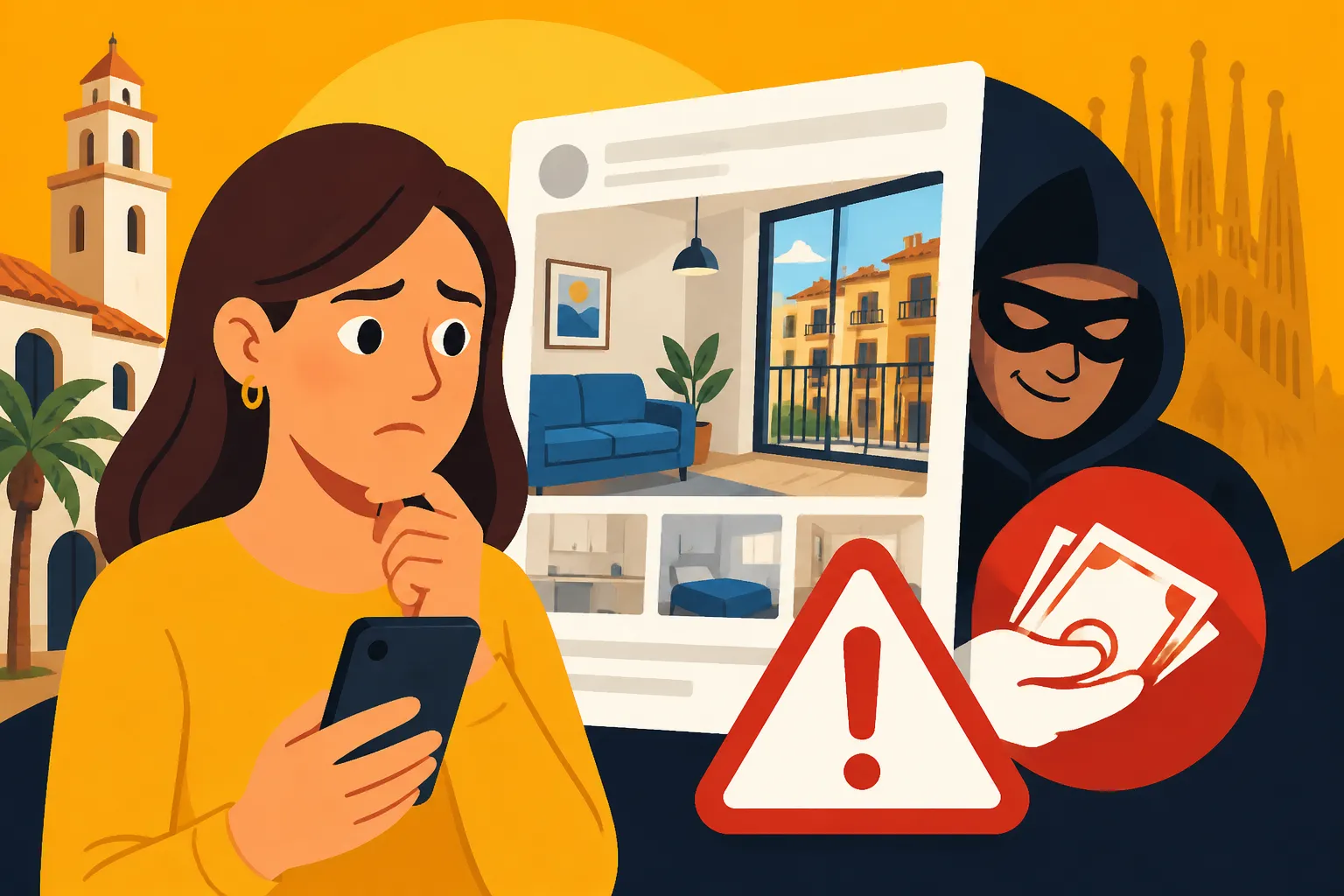
Finding a flat in Spain can feel like a high-stakes game where the rules are written in a language you haven't mastered yet. I remember my first week in Madrid, staring at a gorgeous "penthouse" listing on Calle Fuencarral that turned out to be a complete fiction created by a scammer in another country—it’s a gut-wrenching realization when you're just trying to find a place to sleep. This guide breaks down the sophisticated tactics scammers use so you can protect your savings and find a legitimate home.
Disclosure: This post may contain affiliate links. We may earn a commission at no extra cost to you if you make a purchase through these links. Read full disclosure.
The Anatomy of a Spanish Rental Scam
The Spanish rental market, especially in hubs like Madrid, Barcelona, and Valencia, is currently incredibly tight. Scammers prey on this desperation. They know that when you see a beautiful apartment at a price that seems manageable, your instinct is to move fast before someone else grabs it. This "urgency" is their primary weapon.
One of the most common red flags is the "Air-B-and-B" trick or the "Out of Country Landlord" script. You find a listing on a popular site, message the owner, and receive a beautifully written email (often in perfect English, which is actually a red flag in itself in the local market). They explain they are a doctor, a pilot, or a retired academic currently living in the UK or Germany. Because they aren't in Spain, they propose using a "secure" third-party platform to handle the keys and the deposit. They might even send you a link to a cloned website that looks exactly like a well-known booking platform.
Another classic sign is the price-to-quality ratio. If you are looking for a two-bedroom apartment in the Gothic Quarter of Barcelona and you find one for 800 Euros that looks like it belongs in an interior design magazine, walk away. In the current market, that apartment would be 1,500 Euros or more. Scammers use stock photos from luxury furniture catalogs or grab images from high-end real estate listings in other cities. Before you get too excited, use your phone to do a quick check. If you're out and about viewing areas, having a reliable data connection through a service like Airalo is essential so you can reverse-image search listings on the fly before you even send that first message.
How to Verify the Property and the Landlord
In Spain, there is a very specific paper trail that legitimate landlords should be able to provide. If they hesitate to show you documentation, they are likely not the owner. The most important document you can ask for is the "Nota Simple." This is an official extract from the Land Registry (Registro de la Propiedad) that confirms who the current owner is and if there are any debts on the property.
You should also ask to see the landlord’s DNI (Spanish ID) or NIE if they are a foreigner. A legitimate landlord who has nothing to hide will understand that you are doing your due diligence. Cross-reference the name on the DNI with the name on the Nota Simple. If they claim to be an agency, check their physical office address. Many scammers pretend to be reputable agencies but refuse to meet you at a physical location, insisting on doing everything via WhatsApp or email.
When you are deep in the search, it helps to use platforms that pre-verify their listings. For instance, Spotahome is a popular choice for expats because they physically send "Homecheckers" to the properties to take professional photos and verify that the apartment actually exists. This removes the "ghost listing" risk entirely, which is a massive relief when you’re moving from abroad. Knowing How to Find Long‑Term Rentals in Spain: Best Websites and Strategies can help you narrow down which platforms are worth your time and which are magnets for fraudsters.
Safe Payment Practices and Deposit Rules
The moment a "landlord" asks you to send money via Western Union, MoneyGram, or a cryptocurrency wallet, the conversation should end. These methods are untraceable and are the hallmark of international rental fraud. In Spain, legitimate transactions for a rental deposit (the fianza) should ideally be done via bank transfer (transferencia) or, occasionally, in person once the contract is signed and the keys are in your hand.
Under Spanish law (Ley de Arrendamientos Urbanos), the landlord is legally required to deposit your fianza with a specific regional authority (like IVIMA in Madrid or INCASÒL in Catalonia). If a landlord tells you they will just "hold onto it" in their personal savings account, they are technically breaking the law, though this is a common practice among some private owners. However, if they are unwilling to even discuss the formal deposit of the bond, it’s a sign they might be looking to disappear with your cash. You should read up on What is ‘Fianza’ in Spain? Deposit Rules Explained Simply to understand your rights regarding this money.
| Scam Indicator | Red Flag Level | Legitimate Alternative |
|---|---|---|
| Payment via Western Union | Critical | Bank transfer to a Spanish IBAN |
| Landlord "is abroad" | High | Landlord or legal representative meets you at the flat |
| Photos look like a hotel/catalog | Medium | Photos show lived-in details or "Homechecker" badges |
| Pressure to pay before viewing | Critical | Never pay until you or a trusted friend has entered the flat |
| No Nota Simple available | High | Owner provides registry extract upon request |
Before you ever hand over a cent, you need a written contract. Do not accept a verbal agreement or a "receipt" on a scrap of paper. A real contract should include the landlord’s full details, the property’s cadastral reference, the duration of the lease, and specific clauses about who pays for utilities. Taking the time to understand How to Understand a Spanish Rental Contract Clause by Clause can save you thousands of Euros in the long run. Once you have a valid contract and move in, you’ll also need to handle the administrative side of living in Spain, such as figuring out How to Register Your Address (Empadronamiento) as a Renter in Spain.
Technical Sleuthing for Every Expat
You don't need to be a private investigator to spot a scam; you just need to use the tools at your disposal. If a listing looks suspicious, right-click the images and select "Search image with Google." Often, you’ll find the exact same photos appearing on a real estate site in Paris, London, or a completely different city in Spain. Scammers are lazy; they reuse the same sets of photos for months.
Check the address on Google Street View. Does the exterior of the building match the view from the windows in the photos? If the listing shows a balcony with a view of the Sagrada Familia, but the address provided is in a suburb like L'Hospitalet, you've caught them in a lie. Also, be wary of listings that have "watermarked" photos from other real estate sites that have been crudely cropped out.
If you are moving into an unfurnished place, you might be tempted to start ordering essentials like bed frames or kitchenware immediately. While Amazon Spain is great for getting your new life set up quickly, wait until you have the keys and have physically walked through the door. There are reports of people shipping hundreds of Euros worth of furniture to an apartment that didn't even have a mailbox with their name on it because the rental was a scam.
What to Do If You Suspect a Scam or Get Caught
If you realize you are talking to a scammer before you’ve paid any money, the best thing to do is report the listing to the platform (Idealista, Fotocasa, etc.) and block the user. Do not engage in an argument; they do this for a living and will only try to manipulate you further.
If, unfortunately, you have already sent money, you must act quickly. Go to the nearest Policia Nacional station and file a "Denuncia" (a police report). You will need to bring copies of all your communications, the bank transfer receipt, and any ID the scammer sent you (even though it's likely stolen). While the police often struggle to recover money sent to offshore accounts, having a Denuncia is necessary for insurance claims or for your bank to attempt a clawback of the funds. In extreme cases, if you find yourself in an immediate crisis due to a scam, knowing How to Call 112 in Spain: What to Say and What Happens Next is vital for any resident.
Even after you move in, the battle for your deposit isn't over. Some landlords are perfectly legitimate but become "scam-adjacent" when you try to move out, claiming "damages" that were already there. This is why you must take photos of every single scratch and broken tile the day you get the keys. If you find yourself in a bind later, check out What to Do If Your Landlord Won’t Return the Deposit in Spain or How to Handle a Deposit Dispute With a Spanish Landlord.
Navigating the Spanish housing market requires a mix of healthy skepticism and local knowledge. By insisting on seeing the property, verifying the What Is a 'Nota Simple' and Why You Need One When Buying, and refusing to use untraceable payment methods, you significantly reduce your risk. Remember, if a deal feels like a miracle, it’s probably a mirage. Once you are safely settled, you can focus on the fun parts of expat life, like decorating your new home or figuring out How to Set Up a Spanish Utility Contract Without a Bank Account to get your lights turned on.
Disclaimer
This guide provides general information based on common expat experiences and should not be considered formal legal advice. Rental laws in Spain can change, and practices may vary significantly between different Autonomous Communities. Always consult with a qualified legal professional or a registered gestor before signing contracts or transferring large sums of money.