How to Get an Appointment for Blood Tests in Spain (High‑Level)
Arriving at a Spanish clinic for a simple blood test, only to be turned away because you lack a specific piece of paper, is incredibly frustrating. I once waited three weeks just to get a basic cholesterol check because I didn’t understand the strict referral system. This guide explains exactly how to book, prepare for, and retrieve your blood test results in Spain.
Disclosure: This post may contain affiliate links. We may earn a commission at no extra cost to you if you make a purchase through these links. Read full disclosure.
The Public Healthcare Route for Blood Tests
If you are integrated into the state-funded Spanish healthcare system, getting a routine blood test (análisis de sangre or analítica) is completely free. However, the system operates on a rigid gatekeeper model that requires meticulous administrative navigation.
Getting the Initial Doctor Referral
You cannot simply walk into a public laboratory or health center and request a blood panel because you are feeling tired or want to check your vitamin levels. In the Spanish public system, every single diagnostic test must be clinically justified and officially ordered by a doctor.
Your absolute first step is to book a standard consultation with your assigned general practitioner (médico de cabecera). If you are a new arrival and have not yet been assigned a doctor, reviewing our step-by-step guide on How to Get a Spanish Health Card Tarjeta Sanitaria Step-by-Step is mandatory. During your consultation, you must explain your symptoms. If the doctor agrees that a blood test is necessary, they will issue a formal referral, known locally as a volante.
Historically, this was a physical piece of paper you had to carry around, but today, it is almost entirely digitized. The doctor will upload the authorization directly to your tarjeta sanitaria (health card) profile. They will specify exactly what needs to be tested, whether it is a basic lipid panel, a thyroid check, or a full metabolic workup.
Booking the Extraction Appointment
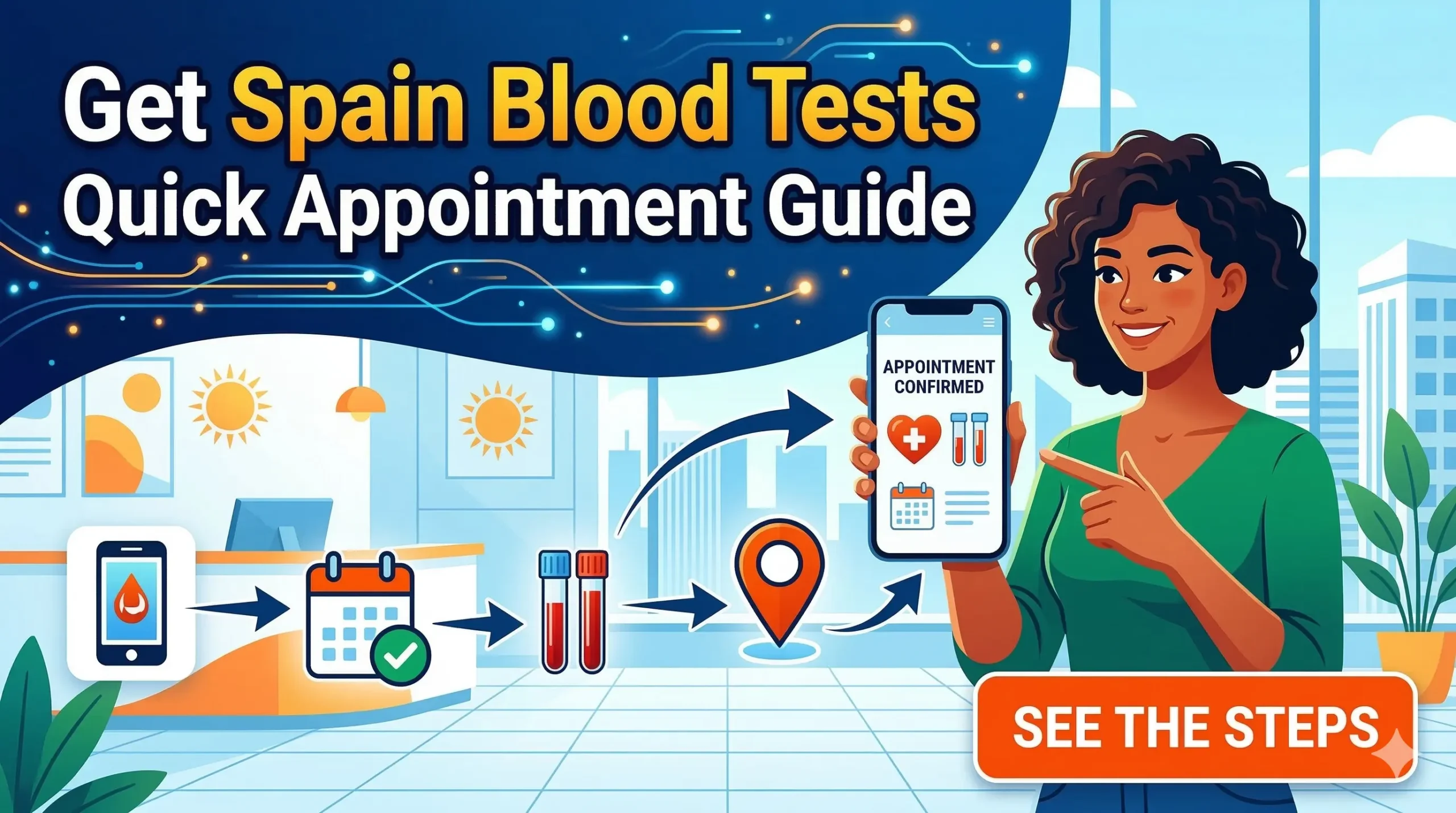
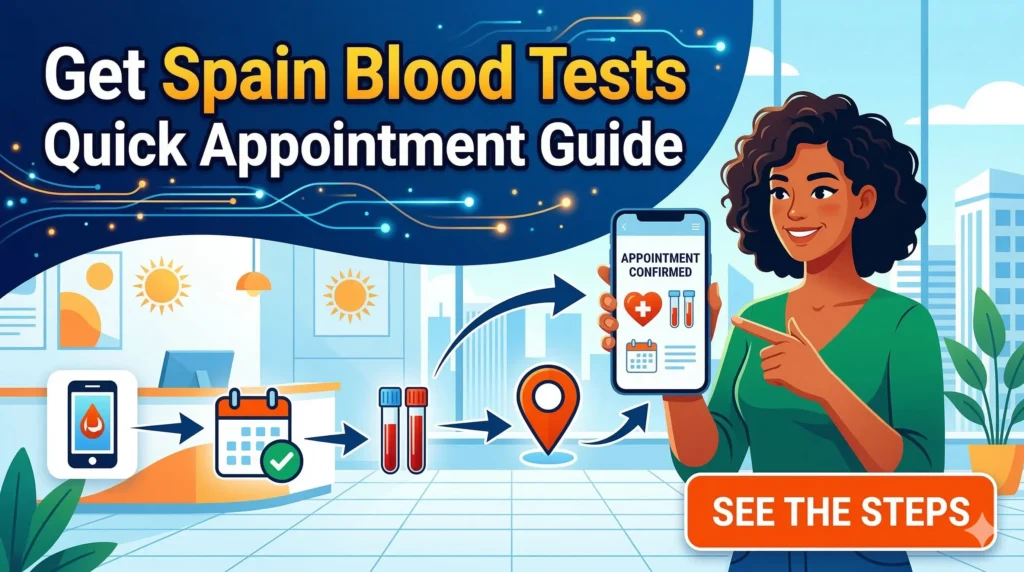
Securing the volante is only half the battle. You must then book a completely separate appointment for the actual blood draw, known as the cita para extracción de sangre. Your general practitioner does not draw your blood in their office; this is handled exclusively by the clinic’s nursing staff (enfermería) during specific morning hours.
Before leaving the health center, you can stop at the main administrative desk (mostrador) and ask the clerk to book your extraction appointment. Alternatively, you can book it yourself using your specific autonomous community’s digital health portal. The digital route is often much faster, but navigating the interfaces can be tricky; if you find yourself locked out, read How to Use Spanish Health Apps to Book Appointments (Generic Guide) for troubleshooting tips. Because fasting blood tests are only conducted early in the morning—typically between 8:00 AM and 10:00 AM—these specific slots fill up incredibly fast. You will routinely find yourself waiting two to three weeks for an available morning appointment in the public sector.
The Private Healthcare Fast Track
The agonizing wait times for simple diagnostic tests in the public system are exactly why the vast majority of expats opt for private alternatives. In the private sector, you have significantly more control over your timeline.
Using Premium Insurance Networks
If you want to bypass the public waitlists entirely, securing a premium private health policy through an expert, expat-focused broker like Innoinsure is a massive tactical advantage. A dedicated, bilingual agent from Innoinsure can seamlessly set up a policy that grants you immediate, unrestricted access to a vast network of top-tier private clinics and diagnostic laboratories across Spain.
While you still need a doctor’s referral to get a blood test covered by your private insurance, getting that referral is practically instantaneous. With a comprehensive policy secured through Innoinsure, you simply open your provider’s app and book an appointment with a private general practitioner for the very next day. To deeply explore the systemic differences between these parallel medical routes, review our overview of the Spain Healthcare System for Expats: Public vs Private.
Furthermore, many modern policies brokered by Innoinsure feature robust 24/7 digital doctor access. You can consult an English-speaking doctor via your smartphone, describe your fatigue or symptoms, and have a private digital blood test referral (volante electrónico) sent directly to your phone without ever leaving your couch. Discover how to safely leverage this incredible digital perk in Telemedicine in Spain: When It’s Useful and What to Expect. Once you have the digital referral, you simply walk into any private lab listed in your provider’s directory—often without needing a prior appointment at all—and get your blood drawn the same morning. Managing your health logistics through Innoinsure eliminates the administrative guesswork entirely.
Paying Out of Pocket at Private Labs
If you do not have private insurance, or if you want a highly specialized test (like complex food allergy panels or specific athletic hormone profiling) that standard insurance refuses to cover, you can pay entirely out-of-pocket.
Spain has a massive network of independent, commercial diagnostic laboratories, such as Eurofins Megalab, Synlab, and Echevarne. At these facilities, you act purely as a consumer. You can walk in off the street, look at their “menu” of blood tests, and pay for exactly what you want with a credit card—no doctor’s referral required. A basic wellness panel might cost €40, while a comprehensive vitamin and hormone check can exceed €150. To grasp the broader baseline of these hidden retail medical costs, see our detailed overview on Health Costs in Spain: Typical Co-Pays and Out-of-Pocket Fees.
| Healthcare Route | Referral Required? | Typical Wait Time | Cost to Patient |
| Public Clinic | Yes (from Public GP) | 2 to 4 Weeks | Free |
| Private Insurance | Yes (from Private GP) | 1 to 3 Days | Free (or small copay) |
| Private Lab (Direct) | No | Walk-in / Immediate | €40 – €200+ (Out-of-pocket) |
Preparing for Your Blood Test and Post Care
Whether you are navigating a crowded public clinic or a sleek private lab, the physical process of getting your blood drawn in Spain follows strict, culturally ingrained protocols.
Fasting Rules and Clinic Procedures
The most universally enforced rule for Spanish blood tests is that you must arrive en ayunas (fasting). Spanish doctors and phlebotomists are incredibly strict about this. You are generally required to fast for 8 to 12 hours prior to your appointment. You can drink plain water, but absolutely no coffee, tea, or juice. If you admit to the nurse that you had a milky coffee that morning, they will refuse to draw your blood and force you to rebook the appointment.
When you arrive at the clinic, do not expect to check in with a receptionist and wait for your name to be called. Most Spanish extraction waiting rooms utilize a strict numbered ticket system. You must locate the digital kiosk near the door, scan your health card (or input your ID number), and take a printed paper ticket (su turno). You then sit in the waiting room and watch the overhead digital screens until your number flashes alongside a specific room or chair number (box).
Accessing Your Results and Bridging the Wellness Gap
Once your blood is drawn, you will not receive a phone call with your results unless there is an absolute, life-threatening emergency. In the public system, it is your responsibility to proactively retrieve your results. You can usually log into your regional health app about a week later to view the PDF report, or you can book a follow-up appointment with your general practitioner to discuss the numbers. If you need to officially extract these files to share with a specialist back in your home country, understanding the extraction process is vital; read Medical Records in Spain: Accessing and Sharing Your History for a step-by-step guide.
Often, these routine blood tests reveal minor, very common expat deficiencies. The Mediterranean diet is phenomenal, but many foreigners from northern climates still find themselves deficient in Vitamin D, B12, or Iron during their first year as their bodies adapt. While a Spanish doctor might suggest an over-the-counter supplement, navigating the local pharmacy (farmacia) to purchase these vitamins is deeply frustrating. To understand how these local chemists operate as strict retail gatekeepers, check out Can a Pharmacist in Spain Help With Minor Illness? What to Expect.
Spanish pharmacies charge absolutely staggering retail markups for advanced, non-subsidized wellness items like high-grade Vitamin D drops, chelated iron that won’t upset your stomach, or complex B-vitamins. To completely bypass this frustrating retail gap, the savvy international community in Spain relies heavily on iHerb.
By ordering your specific iron supplements, high-grade antioxidants, and premium daily vitamins directly through iHerb, you gain access to the exact, trusted holistic brands you successfully used back home without draining your wallet. Having a dedicated nutritional wellness stash delivered directly to your Spanish door via iHerb ensures you are actively fortifying your body based on your new blood test results. Navigating a foreign retail system for daily comforts is chaotic and exhausting; relying on iHerb to effortlessly restock your specific preventative arsenal puts the control firmly back in your hands. You can avoid the overwhelming local pharmacy markup completely by utilizing iHerb for your baseline care. Furthermore, utilizing iHerb allows you to bulk-order specialized recovery supplements, like potent electrolytes, to help you bounce back quickly on the morning after a heavy fasting blood draw.
References
Primary sources official
- Ministerio de Sanidad – Cartera de Servicios de Atención Primaria: https://www.sanidad.gob.es/profesionales/prestacionesSanitarias/CarteraDeServicios/ContenidoCS/2AtencionPrimaria/home.htm
- Eurofins Megalab España – Análisis Clínicos: https://eurofins-megalab.com/
Other helpful sources
- Expatica – Healthcare Basics in Spain: https://www.expatica.com/es/healthcare/healthcare-basics/healthcare-in-spain-101467/
- Citizens Advice Bureau Spain – Healthcare Information: https://www.citizensadvice.org.es/faq/healthcare/
Disclaimer
The information provided in this article is for educational and informational purposes only and does not constitute formal medical or administrative advice. Public healthcare wait times, referral protocols, and private insurance network coverage limits vary significantly across Spain’s autonomous communities and are subject to frequent legislative updates. Always consult directly with a licensed Spanish general practitioner (médico de cabecera) or your private insurance broker regarding your specific diagnostic needs, fasting requirements, and healthcare coverage limits.