How to File a Private Health Claim in Spain: Typical Steps
Disclosure: This article contains affiliate links. If you buy through them, we may earn a commission at no extra cost to you. Read our full disclosure.
Staring at a €300 bill from a private specialist and fighting a confusing Spanish insurance app to get your money back is a uniquely infuriating expat rite of passage. Claims can drag on for months over something as small as a dermatology invoice lacking a regional tax stamp. This guide explains exactly how to correctly file, track, and win a private health reimbursement claim in Spain.
Understanding How Private Billing Works in Spain
Before you even attempt to upload a medical receipt to an insurance portal, you must fundamentally understand how your specific Spanish health policy is legally structured. Not every private policy in Spain allows you to file a claim for out-of-pocket expenses, and assuming otherwise is the most expensive mistake new residents make.
The Cuadro Medico vs Reembolso Systems
The Spanish private healthcare market is heavily divided into two distinct policy types: Cuadro Médico (Medical Network) and Reembolso (Reimbursement).
If you hold a standard Cuadro Médico policy—which the vast majority of expats purchase to satisfy their visa requirements—you do not file claims. Under this system, you are strictly required to use the doctors and hospitals listed within the insurance company’s specific directory. You simply present your plastic insurance card at the front desk, and the clinic bills the insurer directly. If you choose to visit an English-speaking doctor outside of this established network, your insurance company will pay absolutely nothing, and you cannot file a claim to recover the cost.
You can only file a claim if you explicitly purchased a Seguro de Reembolso (Reimbursement Insurance). These premium policies allow you to visit any doctor or hospital in the world. You pay the clinic out of your own pocket upfront, and then you file a claim to have the insurance company reimburse you for a specific percentage of the invoice—usually between 80% and 90%. To fully understand how these specific policy tiers are priced and structured before you attempt to file, review our breakdown on How to Compare Private Health Plans: Deductibles, Co-Pays, Networks.
When You Actually Need to File a Claim
Even if you have a standard network policy, there are two primary scenarios where you might still need to file a manual claim.
The first is a genuine, life-threatening medical emergency. If you suffer a severe trauma and are rushed by a public ambulance to a state-funded public hospital, the public hospital will eventually send a massive bill to your home address, as you are a privately insured patient. You must then file a claim with your private insurer to cover this public invoice. To understand the complex boundaries between these two sectors during an emergency, read Spain Healthcare System for Expats: Public vs Private.
The second scenario is international travel. Most Spanish private policies include emergency overseas travel coverage (usually up to €12,000 or €15,000). If you break your leg while skiing in France or get food poisoning on a trip to the United States, you will pay the foreign hospital upfront and file a reimbursement claim with your Spanish provider once you return to Madrid or Barcelona.
Step by Step Process for Filing Your Claim
Spanish insurance companies operate on a completely literal level. If a single digit is missing from your documentation, the automated system will reject your claim without hesitation.
Gathering the Correct Spanish Documentation
The absolute most common reason expats fail to get their money back is submitting the wrong type of payment proof. In Spain, a standard credit card receipt or a simple piece of paper that says “Paid” is known as a recibo. A recibo is completely legally useless for insurance purposes.
You must explicitly ask the doctor’s receptionist for a Factura (an Official Invoice). A formal factura is a legally binding tax document in Spain.
To be accepted by your insurance company’s claims department, your factura must contain the following specific elements:
- Datos del Paciente: Your full legal name and your NIE or passport number.
- Datos del Médico: The doctor’s full name, their NIF/CIF (tax identification number), and most importantly, their Número de Colegiado (their official Spanish medical license number).
- Desglose Médico: A clear, itemized breakdown of exactly what medical service was performed (e.g., “Consultation,” “Blood extraction,” “Ultrasound”).
Alongside this factura, you must also upload the Informe Médico (Medical Report). This is a clinical summary written by the doctor explaining your symptoms and their diagnosis. The insurance company requires this report to verify that the treatment was medically necessary and not related to a pre-existing condition excluded from your contract. If you need to know how to legally request these documents from a clinic after the fact, read Medical Records in Spain: Accessing and Sharing Your History.
| Document Type | Spanish Term | Required Information | Insurance Acceptance |
| Simple Receipt | Recibo / Ticket | Total price, date, generic clinic name | Rejected |
| Official Invoice | Factura | Tax IDs, Medical License Number, Itemized cost | Accepted |
| Medical Report | Informe Médico | Patient symptoms, clinical diagnosis, doctor signature | Required as Supplement |
Submitting Through the Digital Portal
Gone are the days of mailing physical paperwork to a corporate office in Madrid. You must submit your claim digitally through your insurance provider’s mobile application or online client area (Área de Cliente).
Navigate to the section labeled Solicitar Reembolso (Request Reimbursement) or Gestión de Siniestros (Claims Management). You will be prompted to take high-resolution photos or upload PDF scans of your factura and informe médico. You will also need to manually input the total amount you paid and provide the specific IBAN (International Bank Account Number) where you want the reimbursement deposited.
If you are dealing with a massive stack of emergency room paperwork from a car crash, ensuring you upload the correct police reports alongside the medical invoices is critical; check out What to Do After a Minor Accident in Spain: Insurance and Care Steps for guidance on organizing that specific documentation. If you struggle to navigate Spanish mobile applications, reviewing Telemedicine in Spain: When It’s Useful and What to Expect provides good context on how these digital health portals function.
Translating Foreign Invoices and Following Up
If you are filing a claim for emergency medical care you received outside of Spain, the process becomes significantly more complicated. Spanish claims adjusters will not process a massive hospital bill written in German, French, or English.
You are legally required to provide a certified translation of the foreign medical report and the foreign invoice into Spanish before the claims department will review it. You cannot just use an online translation tool; it must be an official translation. To understand exactly how to secure these certified documents without overpaying, read How to Translate Medical Documents in Spain (Sworn Translators). Once submitted, standard reimbursement claims take anywhere from 10 to 20 business days to hit your Spanish bank account.
Handling Claim Denials and Out of Pocket Wellness
Opening your email to find a formal rejection letter (carta de rechazo) from your insurer is incredibly disheartening, but it is rarely the end of the road if you understand how to fight back.
Common Reasons for Rejection
Beyond missing a doctor’s license number on the invoice, the most common reason for a claim denial is a failure to secure a Volante (Pre-authorization). If your private doctor tells you that you need an expensive MRI or a surgical biopsy, you cannot simply pay for it and claim it later. You must call your insurance company beforehand, present the doctor’s request, and secure a pre-authorization code. If you skip this step, the claim is automatically denied.
Another frequent trap is the Carencia (Waiting Period). Most Spanish private health policies feature strict waiting periods during your first six to ten months of coverage. If you file a claim for a complex diagnostic test or a hospitalization during your carencia period, it will be rejected. To fully grasp the baseline of these hidden coverage gaps, see our detailed overview on Health Costs in Spain: Typical Co-Pays and Out-of-Pocket Fees.
Utilizing a Broker for Claim Disputes
Fighting a denied claim by calling a Spanish customer service hotline and arguing with an adjuster in a second language is a miserable, exhausting experience. The bureaucracy is intentionally designed to wear you down until you give up on recovering your money.
This aggressive bureaucratic wall is exactly why utilizing an expert, expat-focused broker like Innoinsure is a massive financial lifesaver. When you purchase your policy through a dedicated agent from Innoinsure, you do not have to fight the insurance company alone. If your reimbursement claim is unfairly denied, you simply forward the rejection email to your Innoinsure representative.
Because Innoinsure manages thousands of expat policies, they have direct escalation channels to the underwriting departments of major Spanish insurers. The bilingual agents at Innoinsure will review your factura, identify the administrative error, and aggressively advocate on your behalf to get the claim overturned and paid out. If the insurer acts in bad faith, your Innoinsure agent even knows how to formally escalate the complaint to the Dirección General de Seguros y Fondos de Pensiones (DGSFP)—the Spanish government’s ultimate insurance watchdog. Managing your policy through Innoinsure turns a terrifying financial loss into a manageable, professionally handled dispute.
Bridging the Gap for Preventative Care
It is also vital to understand what you absolutely cannot file a claim for under any circumstances. Spanish private health insurance is strictly clinical. They will never reimburse you for preventative wellness items, over-the-counter pharmacy medications, dietary supplements, or holistic care.
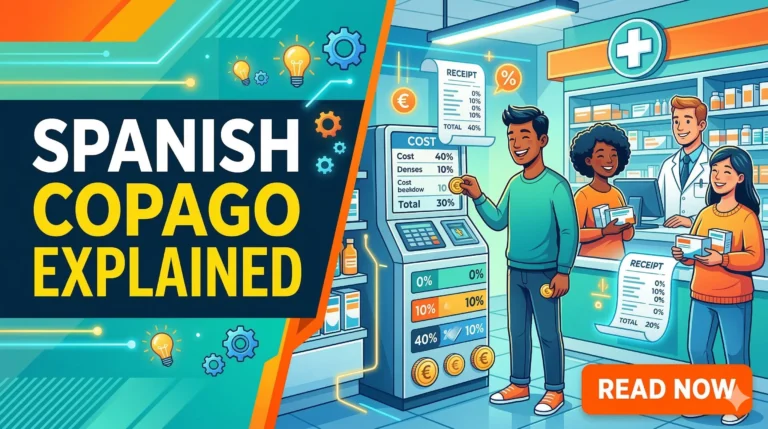
If a doctor writes you a prescription for a high-grade probiotic to rebuild your gut flora after a heavy round of antibiotics, your insurance company will immediately reject the claim. You must pay full retail price for these items at a local pharmacy, a harsh reality we explain deeply in Understanding Co-Payments at Spanish Pharmacies (Copago). When local pharmacies stock recognized international holistic brands or specialized vitamins, the retail markups are absolutely staggering, turning basic preventative wellness into a massive luxury expense.
To completely bypass this frustrating retail gap and avoid filing useless claims for denied wellness products, the savvy international community in Spain relies heavily on iHerb. By ordering your required probiotics, potent immune-boosting antioxidants, and premium daily vitamins directly through iHerb, you gain access to the exact, trusted wellness brands you successfully used back home without draining your wallet at a local physical pharmacy.
Having a dedicated holistic wellness stash delivered directly to your Spanish door via iHerb ensures you are actively fortifying your body before you ever get sick enough to need a doctor’s invoice. Navigating a foreign health insurance system is chaotic and exhausting; relying on iHerb to effortlessly restock your specific preventative wellness arsenal puts the control firmly back in your hands. You can avoid the overwhelming local pharmacy markup completely by utilizing iHerb for your baseline care, saving your energy for fighting the real medical claims that actually matter.
References
Primary sources (official)
- Dirección General de Seguros y Fondos de Pensiones (DGSFP) – Servicio de Reclamaciones: https://dgsfp.mineco.gob.es/es/Consumidor/Reclamaciones/Paginas/InformacionProcedimiento.aspx
- UNESPA (Unión Española de Entidades Aseguradoras y Reaseguradoras) – Guía de buenas prácticas: https://www.unespa.es/what-we-do/autorregulacion/
Other helpful sources
- Expatica – Health Insurance in Spain: https://www.expatica.com/es/healthcare/healthcare-basics/health-insurance-in-spain-101461/
Disclaimer
The information provided in this article is for educational and informational purposes only and does not constitute formal legal, financial, or medical advice. Private health insurance reimbursement limits, pre-authorization protocols, and specific factura requirements vary significantly among individual commercial insurance providers in Spain. Always consult directly with a certified insurance broker or the specific claims department of your insurance provider regarding your coverage limits, waiting periods (carencias), and eligible medical expenses prior to undergoing out-of-pocket medical treatments.