Food Poisoning in Spain: When to Seek Medical Help
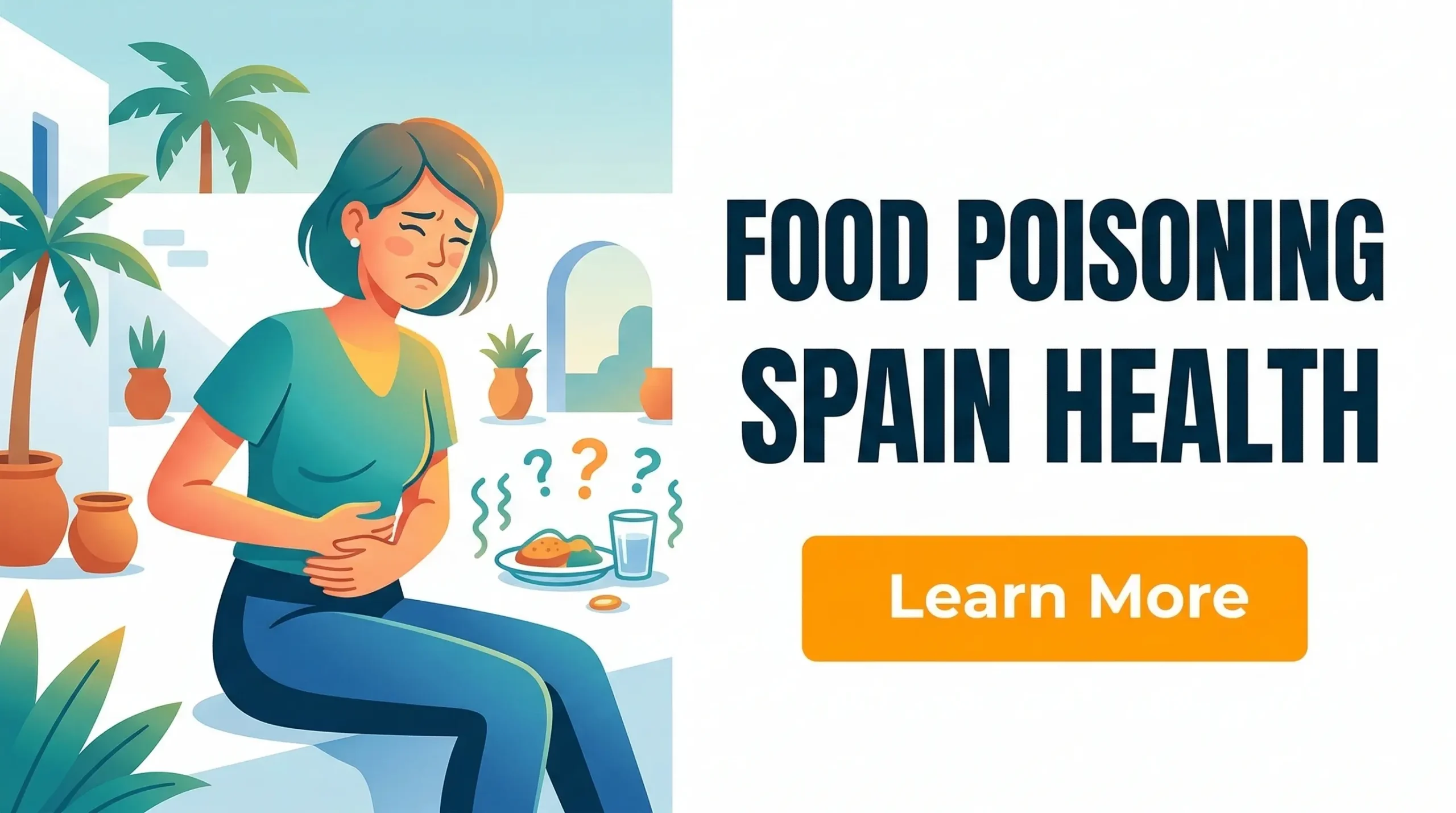
Getting sick in a foreign country is terrifying, especially when you are crouched over a bathroom floor completely unable to translate your symptoms. I once spent three agonizing days violently ill in Valencia after eating a questionable room-temperature tortilla. This guide explains how to identify severe food poisoning in Spain, what to ask the local pharmacist, and exactly when to seek emergency medical care.
Disclosure: This post may contain affiliate links. We may earn a commission at no extra cost to you if you make a purchase through these links. Read full disclosure.
The Reality of Food Poisoning in Spain
Spain boasts one of the most incredible culinary scenes in the world, but the traditional culture of eating out carries a few hidden risks for unacclimated digestive systems. When you combine the beloved tradition of displaying tapas on bar counters with the blistering Mediterranean summer heat, you have a perfect recipe for a sudden, aggressive stomach bug.
Common Culprits and Summer Risks
The absolute most common culprit for food poisoning (intoxicación alimentaria) in Spain is Salmonella, and it is almost always linked to the country’s most famous dish: the tortilla de patatas (Spanish omelet). A traditional tortilla is often served slightly runny in the middle. If a bar cooks a tortilla in the morning and leaves it sitting on the counter at room temperature until the late afternoon, the bacteria multiply exponentially. You should always ensure that any tortilla you order, especially in the summer, is either freshly made or stored in a refrigerated glass case.
Another major risk is ensaladilla rusa (Russian potato salad), a staple tapa heavily reliant on mayonnaise. Consuming mayonnaise-based dishes that have been exposed to the aggressive Spanish heat is an incredibly fast way to ruin your week. Seafood (marisco) and raw shellfish also pose severe risks during the peak heatwaves of July and August. If you are already struggling with the intense heat, your body is particularly vulnerable; learning to protect your baseline health during these months is critical, a topic we cover extensively in Heatstroke vs Dehydration: Prevention Tips for Spain Summers.
Furthermore, many new expats mistakenly blame the local tap water for their sudden gastrointestinal distress. Spanish tap water is heavily regulated and entirely safe to drink in nearly all municipalities. However, the mineral content in the coastal regions (like Barcelona or Alicante) is extremely high and heavy. This sudden change in mineral intake can temporarily upset a new expat’s stomach, mimicking mild food poisoning symptoms until their gut flora adapts to the new water profile.
Is it Food Poisoning or a Stomach Bug?
When the nausea hits, it is often difficult to distinguish between actual food poisoning and a highly contagious viral stomach bug (gastroenteritis). Both will cause severe stomach cramps, violent vomiting, diarrhea, and profound fatigue.
The main distinguishing factor is usually the timeline. Food poisoning strikes with terrifying speed, often hitting you anywhere from two to six hours after consuming the contaminated tapas. It is usually incredibly violent but relatively short-lived, with the worst of the purging ending within 24 to 48 hours. A viral stomach bug, on the other hand, usually takes a day or two to incubate after exposure to an infected person, and the symptoms can drag on for several miserable days.
Regardless of the exact origin, the immediate at-home treatment protocol remains exactly the same: you must prevent severe dehydration. Because you are losing massive amounts of fluids, you cannot simply drink plain tap water, which lacks the necessary electrolytes your body is aggressively expelling.
Initial At-Home Treatment and Pharmacy Triage
When you are too weak to stand and your stomach is in knots, navigating a foreign healthcare system feels impossible. Fortunately, the Spanish medical infrastructure is set up to handle these minor, acute crises highly efficiently through local neighborhood channels.
What to Buy at the Spanish Farmacia
Your very first instinct as an expat might be to crawl to a massive supermarket like Carrefour or Mercadona to buy Pepto-Bismol or giant bottles of generic Gatorade. In Spain, this strategy will fail. Over-the-counter stomach medications and clinical-grade rehydration fluids are exclusively sold at licensed pharmacies (farmacias).
You need to send a friend, a partner, or utilize a local delivery app to go to the pharmacy and ask for suero oral (oral rehydration salts). These come in pre-mixed liquid bottles or powder sachets that you mix with bottled water. Do not try to chug it; sip it incredibly slowly—one teaspoon every five minutes—to prevent triggering your gag reflex. Spanish pharmacists are highly trained medical professionals who can also dispense mild anti-nausea medications over the counter. To understand exactly how much triage advice these chemists can legally provide, review our guide on Can a Pharmacist in Spain Help With Minor Illness? What to Expect.
Be aware that Spanish pharmacists will generally refuse to sell you heavy anti-diarrhea medications (like loperamide) during the first 24 hours of suspected food poisoning. The clinical philosophy in Spain is that your body is violently expelling a toxin or bacteria, and artificially stopping that physical purging process traps the bacteria inside your intestines, potentially leading to a much more severe infection.
Restocking Your Expat Gut-Health Arsenal
Once the acute vomiting and diarrhea finally subside, you will be left feeling hollow, exhausted, and physically fragile. A severe bout of food poisoning absolutely devastates your natural gut microbiome. You must actively rebuild your intestinal flora, or you will suffer from lingering bloating, cramps, and food sensitivities for weeks.
While Spanish pharmacies are phenomenal for dispensing emergency suero oral, they frequently fall incredibly short when it comes to holistic, preventative gut health. Finding high-grade, multi-strain probiotics, activated charcoal, or pure ginger extract in a local farmacia is deeply frustrating. The selections are severely limited, and when they do happen to stock recognized international holistic brands, the retail markups are completely exorbitant. To fully grasp why these out-of-pocket retail costs escalate so quickly here, see our breakdown on Health Costs in Spain: Typical Co-Pays and Out-of-Pocket Fees.
To completely bypass this frustrating retail gap, the seasoned expat community in Spain relies heavily on iHerb. By ordering your post-illness recovery supplements directly through iHerb, you gain access to the exact, premium probiotic strains and digestive enzymes you successfully used back home, without draining your wallet. Having a dedicated gut-recovery stash delivered directly to your Spanish door via iHerb ensures you are actively fortifying your digestive tract the moment you can keep solid food down. Managing an illness abroad is chaotic enough; relying on iHerb to effortlessly restock your recovery arsenal puts the control firmly back in your hands, allowing you to focus entirely on resting in bed.
When to Seek Professional Medical Help
Most cases of food poisoning will resolve on their own with strict rest and aggressive oral rehydration. However, there is a fine line between a miserable 24-hour bug and a severe bacterial infection that requires immediate medical intervention. You must know exactly when to stop self-treating and call a doctor.
Recognizing the Red Flag Symptoms
The greatest risk of severe food poisoning is not the bacteria itself, but the resulting dehydration. If you cannot keep even a single teaspoon of suero oral down for more than 12 hours, your kidneys will begin to suffer.
You must seek immediate professional medical care if you experience any of the following red flag symptoms: a fever exceeding 39°C (102°F), severe and localized abdominal pain that does not improve after vomiting, signs of severe dehydration (such as extreme dizziness, confusion, or a complete lack of urination), or any visible blood in your vomit or stool. Blood in the stool is a critical indicator of invasive bacterial infections like Campylobacter or severe E. coli, which absolutely require prescription antibiotics to clear.
| Symptom Profile | Medical Action Required | Best Facility to Use |
| Nausea, watery diarrhea, low-grade fever | Self-care, hydration, rest | Home / Local Pharmacy |
| Unable to keep liquids down for 12+ hours | Non-emergency medical consultation | Local Centro de Salud or Telehealth |
| High fever (>39°C), severe dizziness, confusion | Urgent medical triage | 24-Hour PAC or Private Clinic |
| Blood in stool or vomit, agonizing localized pain | Immediate Emergency Care | Major Hospital Urgencias or Dial 112 |
Navigating Urgent Care as a Foreigner
If your symptoms escalate to the red flags mentioned above, you need an IV fluid drip and a doctor. If you rely on the state-funded public healthcare system, navigating an urgent care visit while severely nauseous is a brutal experience. You must figure out where your local public triage center is located, a process we demystify in How to Find a 24-Hour Clinic in Spain (Urgencias). If you haven’t even registered for public care yet, you need to read What Is a ‘Centro de Salud’ in Spain and How Do You Register? immediately.
The public emergency rooms (Urgencias) are notoriously crowded. Because food poisoning is rarely considered a life-or-death, “Level 1” emergency under the Manchester Triage System, you will likely be pushed down the priority list. Sitting in a loud, brightly lit public waiting room for six hours while clutching a plastic bag is absolute torture. You can deeply explore these systemic bottlenecks in our overview of the Spain Healthcare System for Expats: Public vs Private.
Bypassing this agonizing public queue is exactly why utilizing a specialized, expat-focused broker like Innoinsure is a massive lifesaver for foreigners. A dedicated, bilingual agent from Innoinsure can seamlessly set up a premium private health policy that grants you immediate, unrestricted access to top-tier, uncrowded private hospitals in your specific city.
With a policy secured through Innoinsure, you simply open your provider’s app, locate the nearest private emergency room, and get hooked up to a hydrating IV in a fraction of the time, often with an English-speaking doctor. Furthermore, if you are too dizzy to leave your apartment but need a doctor to assess your dehydration, many premium policies brokered by Innoinsure include robust 24/7 digital health access. You can consult a doctor via video call to secure a strong anti-nausea prescription. Discover how to safely leverage this digital perk in Telemedicine in Spain: When It’s Useful and What to Expect. If this crisis happens over a long holiday, keeping a level head is key, which we cover in What to Do If You Need Care on a Weekend in Spain. Finally, if you do need to go to a clinic, make sure you know exactly how to describe your nausea to the triage nurse by reviewing Spanish Emergency Phrases: How to Describe Symptoms Quickly.
References
Primary sources official
- Agencia Española de Seguridad Alimentaria y Nutrición (AESAN) – Enfermedades de Transmisión Alimentaria: https://www.aesan.gob.es/AECOSAN/web/seguridad_alimentaria/subseccion/enfermedades_transmision_alimentaria.htm
- Ministerio de Sanidad (Ministry of Health Spain) – Prevención de toxiinfecciones alimentarias: https://www.sanidad.gob.es/ciudadanos/proteccionSalud/infancia/alimentacion/toxiinfecciones.htm
Other helpful sources
- World Health Organization (WHO) – Food Safety Fact Sheet: https://www.who.int/news-room/fact-sheets/detail/food-safety
- Expatica – Healthcare in Spain: https://www.expatica.com/es/healthcare/healthcare-basics/healthcare-in-spain-101467/
Disclaimer
The information provided in this article is for educational and informational purposes only and does not constitute formal medical or pharmaceutical advice. Severe food poisoning, extreme dehydration, and bloody stools are classified as medical emergencies. Always consult directly with a licensed Spanish pharmacist, a registered medical doctor, or your private insurance provider regarding your specific gastrointestinal symptoms and hydration needs. If you experience loss of consciousness or severe confusion, dial 112 immediately.