Moving From Spain to Latin America: Long-Haul Routes and Realistic Budgets
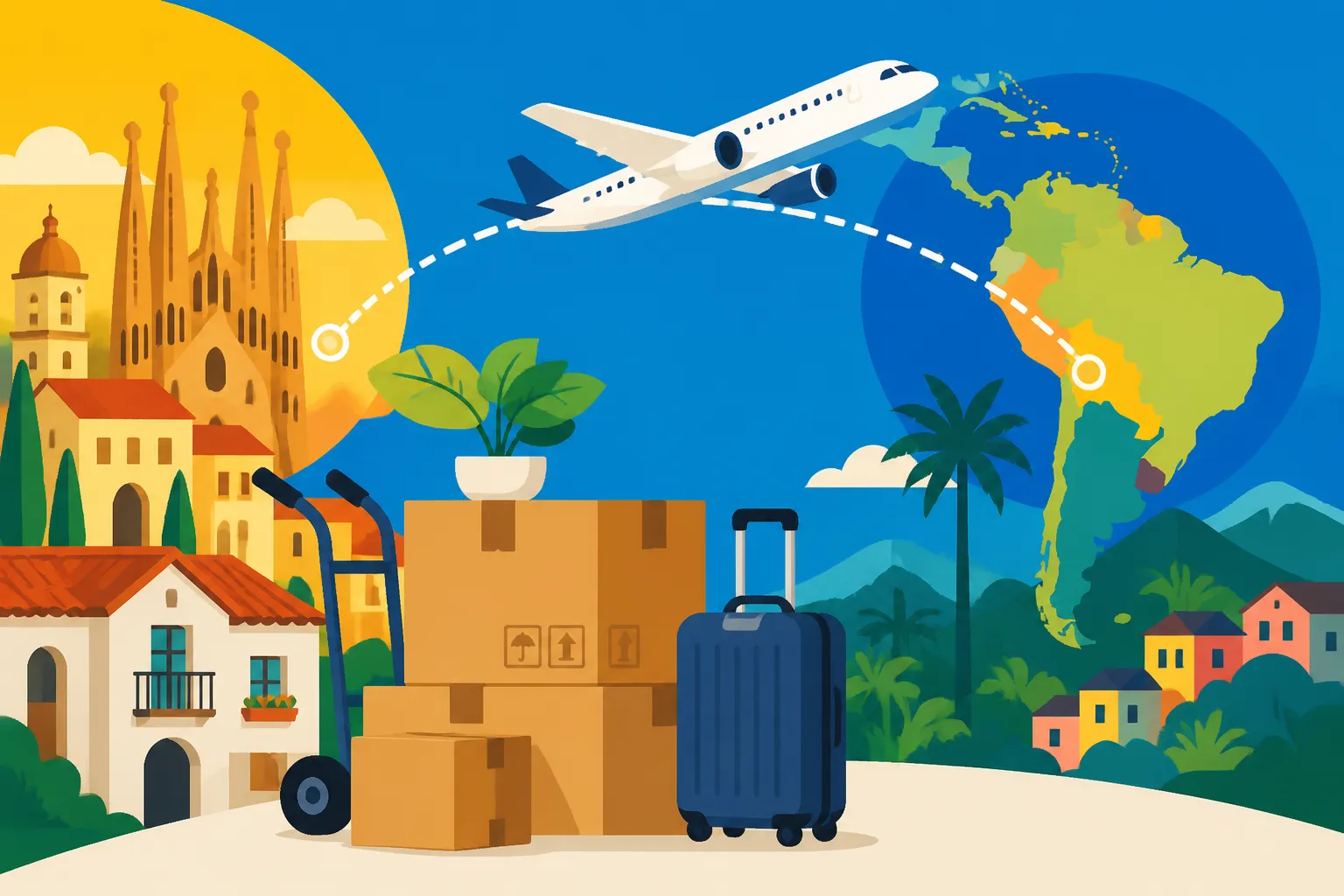
So, you've embraced life in Spain, perhaps for years, navigated its wonderful bureaucracy, mastered ordering tapas, and now… a new adventure calls! Moving from Spain all the way to Latin America is a monumental leap, not just geographically, but logistically. The thought alone can feel overwhelming, a tangled web of international shipping, customs forms, and countless unknowns. This comprehensive guide is here to untangle that web, offering practical advice and a realistic budget breakdown to help you plan your long-haul move smoothly, and to introduce you to tools like Sirelo that can truly simplify the whole daunting process.
The Initial Brainstorm: Where Are You Heading and Why?
Before you even think about packing a single box, you need a clear vision for your move. This isn't just about picking a country; it's about understanding the intricate dance of international regulations, personal logistics, and emotional preparation. Moving from one continent to another, especially from Spain to a diverse region like Latin America, demands a level of foresight and planning that can feel utterly exhausting, but trust me, it’s worth every minute of preparation. You've conquered the papeleo here in Spain, now get ready for a new set of rules!
Disclosure: This post may contain affiliate links. We may earn a commission at no extra cost to you if you make a purchase through these links. Read full disclosure.
Destination Deep Dive: Visas and Entry Requirements
This is your absolute first port of call. Every country in Latin America has unique immigration laws, and what might be a breeze for a Spanish citizen could be a complex obstacle course for you, a non-EU expat who was living in Spain. Don't assume anything. For instance, obtaining residency in Argentina will have different requirements than in Mexico or Colombia. You'll need to research the specific visa types available for your situation – be it work, retirement, investment, or family reunification. Many countries will require proof of financial solvency, a clean criminal record, and health insurance. Some might even demand apostilled documents from Spain, which means you'll need to get original Spanish documents officially recognized for international use. This can be a lengthy process, often involving the Spanish Ministry of Justice and then the Hague Apostille convention. Starting this early is crucial, as delays here can throw your entire timeline off track, much like navigating Spanish bureaucracy itself.
Think about the long game too. Are you planning on working? Will your qualifications gained in Spain be recognized? What are the tax implications of earning income in your new country? These early considerations are fundamental and will shape many of your subsequent decisions.
Timing Your Relocation: Seasons, School Years, and Shipping Cycles
Timing is everything when planning an international move, and it's far more complicated than just picking a convenient month. First, consider the climate in your destination. Are you moving from Spain’s pleasant autumn into the intense summer heat of, say, Brazil? This could impact your travel comfort, the condition of your belongings during transit, and even how quickly you can settle in. Secondly, if you have children, aligning your move with the academic calendar is paramount. Trying to enroll kids mid-semester in a new country and a new language environment is a stress no one needs. Investigate school enrollment deadlines and term dates long before you book anything.
Beyond personal factors, shipping cycles play a huge role. Peak shipping seasons (often summer and around holidays) can lead to higher costs and longer transit times. Freight forwarders often have specific schedules for routes from major Spanish ports like Valencia, Barcelona, or Algeciras to destinations like Buenos Aires, Valparaíso, or Veracruz. Being flexible with your moving date can save you significant money and headaches. Speaking of saving money, understanding how your financial obligations change as you leave Spain is vital; perhaps a good time to revisit how to manage your Spanish Taxes for Foreign Residents: Practical Guide to Staying Compliant before you leave the country for good.
Decluttering and Deciding What Stays or Goes
This is perhaps the most cathartic, yet agonizing, part of any move. When moving from Spain to Latin America, every kilogram, every cubic meter, translates directly into cost. Be ruthless. Do you really need that extra set of crockery you bought when you first moved to Spain? Is that old sofa worth shipping across an ocean when you could buy a new one for less than the shipping cost? Start early, like, months early. Go room by room, drawer by drawer. Create three piles: Keep, Sell/Donate, Discard. Items you want to keep might then be further categorized into "ship" and "carry on." Remember, you’ll be starting fresh in many ways; embrace the opportunity to shed unnecessary baggage.
Consider selling larger items on local Spanish classifieds like Wallapop or Facebook Marketplace. Donating to charities is another great option, especially for clothes and household goods. For truly valuable items or sentimental heirlooms, weigh the cost of shipping against potential replacement or the emotional value. This decluttering phase is also an excellent moment to consider your Money in Spain for Expats: Banking, Taxes, and Everyday Payments and ensure you're not paying for things you no longer need. The less you ship, the happier your wallet will be, I promise you that!
Navigating the Labyrinth of International Shipping from Spain
Once you’ve got a destination in mind and a clear idea of what you’re actually taking with you, the real fun begins: figuring out how to get your entire life from one continent to another. This is where many expats feel truly lost, and rightly so, it's a huge undertaking! But with the right approach and the right tools, it doesn't have to be a nightmare. This is precisely why services like Sirelo exist, to help you make informed choices in a market full of options.
Sea vs. Air Cargo: Cost, Speed, and Practicalities
The fundamental choice for long-haul moves from Spain to Latin America is between sea cargo and air cargo. Each has its distinct advantages and disadvantages.
Sea Cargo:
- Cost-Effective: This is generally the most economical option for larger volumes of goods. If you’re moving an entire household, sea freight will almost always be cheaper per kilogram.
- Time-Consuming: Be prepared for a wait. Transit times from Spanish ports to major Latin American cities can range from 3-6 weeks, sometimes even longer depending on the route and customs procedures. This doesn't include the time for packing, loading, and customs clearance at both ends.
- Volume Capacity: You can ship almost anything via sea cargo, from furniture and appliances to vehicles. This is ideal if you’re not planning to furnish your new home from scratch.
- Environmental Impact: It's generally considered more environmentally friendly than air freight.
Air Cargo:
- Speedy: If you need essential items quickly, air cargo is your best bet. Transit times are typically a few days to a couple of weeks, depending on customs and flight schedules.
- Expensive: This speed comes at a premium. Air freight is significantly more expensive than sea freight, especially for bulky items. It's usually reserved for high-value goods, critical documents, or smaller consignments of essentials.
- Weight/Size Restrictions: Airlines have stricter limits on weight and dimensions, making it less suitable for large furniture or many boxes.
Many expats opt for a hybrid approach: sending most of their belongings via sea freight and a few crucial boxes (clothes, important documents, children's toys, immediate kitchen essentials) via air freight or as extra checked luggage on their flight. This helps bridge the gap during the weeks or months your main shipment is at sea.
Full Container Load FCL vs. Less than Container Load LCL
Once you've decided on sea freight, you'll encounter another crucial decision: do you need a full container, or can you share one?
- Full Container Load (FCL): This means you get an entire shipping container (typically 20ft or 40ft) exclusively for your belongings.
- Pros: Faster transit times (no need to wait for other shipments), less handling of your goods, and often considered more secure as the container is sealed from origin to destination. Ideal for larger homes (3+ bedrooms).
- Cons: More expensive as you're paying for the entire container, even if you don't fill it completely.
- Less than Container Load (LCL): This involves sharing a container with other people's shipments. Your goods will be crated or palletized and loaded alongside others.
- Pros: Much more cost-effective for smaller moves (1-2 bedrooms or apartment contents) as you only pay for the space your goods occupy.
- Cons: Slower transit times due to consolidation and deconsolidation processes at both ends, more handling of your goods, and a slightly higher risk of damage or delays.
The choice depends heavily on the volume of your belongings and your budget. This is a point where a platform like Sirelo becomes invaluable, allowing you to easily compare quotes for both FCL and LCL options from various moving companies, helping you visualize the cost implications of each.
The Critical Role of Packing, Inventory, and Insurance
Don't underestimate the importance of meticulous packing. For an international, long-haul move, professional packing is highly recommended. Reputable moving companies in Spain will use specialized materials and techniques to protect your items against the rigors of transit, including changes in temperature, humidity, and handling. If you decide to pack yourself, use new, sturdy boxes, pack tightly to prevent shifting, and label everything clearly with contents and destination room.
An exhaustive inventory list is non-negotiable. This isn't just for your benefit; it's a critical document for customs clearance in both Spain and your destination country. It should detail every item, its approximate value, and the box it's in. Take photos or videos of valuable items before packing them.
Insurance is another must-have. While movers are usually careful, accidents happen. Always opt for comprehensive transit insurance that covers loss, damage, or theft. Read the policy carefully to understand what is covered, what isn't, and the claims process. Some policies might have exclusions for certain items or require professional packing for coverage. Given the distances involved, you absolutely want peace of mind knowing your life's possessions are protected.
Finding the Right Moving Partner with Sirelo
Finding a trustworthy, experienced international moving company from Spain to Latin America can feel like searching for a needle in a haystack. There are many companies out there, but not all are equipped for such complex routes, nor do they all offer transparent pricing or reliable service. This is where a platform like Sirelo truly shines. It’s designed to connect you with pre-vetted international moving companies that specialize in long-distance relocations.
Instead of spending weeks contacting individual movers, requesting quotes, and deciphering confusing estimates, Sirelo allows you to submit your moving details once and receive multiple competitive quotes from different companies. You can compare services, read reviews from other expats who have made similar moves, and make an informed decision. They streamline the process, ensuring you’re dealing with professionals who understand the nuances of customs in both Spain and Latin America, packaging requirements for international shipping, and reliable logistics. This takes a massive burden off your shoulders, letting you focus on other critical aspects like understanding How to Get a Digital Certificate (Certificado Digital) for Immigration Paperwork before you head off.
Budgeting for Your Transatlantic Transition: Expect the Unexpected
Moving across continents isn't just a physical journey; it's a significant financial undertaking. Many expats underestimate the true cost, getting caught off guard by hidden fees and unexpected expenses. A realistic budget is your best friend when moving from Spain to Latin America, allowing you to prepare for the inevitable bumps in the road.
Unpacking the Costs: Shipping, Flights, and Initial Setup
Let's break down the major cost categories you'll encounter:
-
Shipping Costs: This will likely be your largest single expense. Factors include:
- Volume/Weight: The more you ship, the more you pay. This is where your ruthless decluttering pays off.
- Method: As discussed, air freight is far more expensive than sea freight.
- Container Type: FCL costs more than LCL.
- Distance and Route: Prices vary greatly depending on the specific origin in Spain (e.g., Barcelona, Madrid) and destination in Latin America (e.g., Mexico City, Santiago).
- Services Included: Door-to-door (packing, loading, transport, customs, unloading, sometimes even unpacking) vs. door-to-port or port-to-port services. Full-service moves are more expensive but save you immense hassle.
- Insurance: An additional percentage of the declared value of your goods.
- Customs Duties and Taxes: These can be substantial in some Latin American countries, varying based on the type and value of goods.
- Fuel Surcharges: These fluctuate with global oil prices.
-
Flights: Don't forget the cost of your own tickets! This includes flights for yourself, family members, and potentially pets. Factor in extra baggage fees if you’re carrying essentials that can’t wait for your main shipment. Early booking usually yields better prices, especially for long-haul routes.
-
Visa and Immigration Fees: Application fees, processing fees, translation costs, apostille services – these add up quickly. Some countries require ongoing fees for residency renewals.
-
Initial Accommodation: You'll need somewhere to stay upon arrival before your permanent housing is secured or your shipment arrives. Budget for temporary housing like an Airbnb, hotel, or serviced apartment for at least a few weeks.
-
Utilities and Setup Fees: Once you find a permanent place, expect connection fees for electricity, water, internet, and gas. These often require deposits. Also, consider the costs of How to Cancel Utilities When Leaving a Spanish Rental to ensure a smooth exit from Spain.
-
Furniture/Appliances: If you chose to ship minimal items, budget for purchasing new furniture and appliances.
-
Local Transport: Initial costs for taxis, ride-shares, or public transport until you get your bearings or acquire a vehicle.
This is a daunting list, but remember, platforms like Sirelo can help you get comprehensive quotes that outline many of these shipping-related costs upfront, making your budgeting much clearer.
| Cost Category | Description | Typical Range (Estimate) | Notes |
|---|---|---|---|
| Shipping | Sea freight (LCL/FCL) for household goods | €2,000 – €10,000+ | Varies by volume, destination, and service level. |
| Flights | One-way tickets (per person) from Spain to Latin America | €300 – €1,000+ | Varies by destination, airline, and booking time. |
| Visas/Immigration | Application fees, translations, legal help | €200 – €1,500+ | Highly variable by country and visa type. |
| Temporary Stay | Hotel/Airbnb for 2-4 weeks upon arrival | €800 – €3,000+ | Depends on location, duration, and accommodation style. |
| Insurance | Transit insurance for your belongings | 1-3% of declared value | Highly recommended for peace of mind. |
| Customs | Duties, taxes, port handling fees in destination country | Variable | Can be significant; research specific country's import rules. |
| Contingency | Unexpected expenses, emergencies | 10-20% of total budget | Absolutely essential! |
Hidden Fees and Contingency Planning
Beyond the obvious, there are always "hidden" costs that can derail your budget if you're not prepared. These often include:
- Demurrage/Detention Fees: If your shipment is delayed at the port of arrival (due to paperwork, customs inspections, or your own tardiness in picking it up), you can incur daily fees for the container or warehouse storage.
- Accessorial Charges: These are for services beyond basic transport, such as difficult access at either origin or destination (e.g., no elevator, long walk from truck), special equipment needed for heavy items, or waiting time if the moving crew is delayed.
- Currency Exchange Fluctuations: When moving money between EUR and a Latin American currency, exchange rates can shift, impacting your budget. It’s worth planning for How to Plan for Currency Fluctuations When Living in Spain as part of your broader financial strategy.
- Brokerage Fees: Some countries require a customs broker to clear your goods, which is an additional cost.
- New Life Essentials: Think about things like adapters for electronics, a local SIM card, initial groceries, school supplies, or even a local language tutor.
Always, and I mean always, build a contingency fund of at least 10-20% of your total estimated budget. This buffer will absorb those inevitable surprises and prevent undue financial stress. A good moving company found through Sirelo should be able to give you a clear breakdown of potential additional charges.
Managing Finances Across Continents
You'll need a robust plan for managing your money. Before you leave Spain, consider whether you'll keep your Spanish bank account open, especially if you have ongoing financial commitments like a pension or investments here. If you are going to close your Spanish bank account, you might want to look at How to Close a Spanish Bank Account Safely (Avoid Surprise Fees). Research banking options in your new Latin American country. Many countries require proof of address and residency permits to open an account, which can take time. Consider using international money transfer services like Wise or Revolut for initial transfers, as they often offer better exchange rates and lower fees than traditional banks. Have a credit card that doesn't charge foreign transaction fees, and keep some local currency cash on hand for immediate needs upon arrival. Don’t forget to wrap up your financial life in Spain, including understanding any final tax obligations.
On Arrival: Customs, Paperwork, and Settling In
The plane has landed, you’ve breathed that first lungful of new country air, and maybe you've even had your first café or mate. Congratulations! But the journey isn’t quite over. Now comes the often-frustrating, but ultimately rewarding, process of getting your belongings through customs and truly settling into your new Latin American home. You've navigated the intricacies of setting up your life in Spain, and this next chapter brings its own unique set of challenges.
Clearing Customs in Latin America: What to Expect
This is often the most anxiety-inducing part of the entire move. Each Latin American country has its own distinct customs regulations, duties, and processes, which can sometimes feel like trying to understand an entirely new language. It’s imperative that you or your moving company (like those you find via Sirelo) have done thorough research on your specific destination’s import laws for personal effects.
Generally, you can expect the following:
- Documentation is King: You’ll need your passport, visa/residency permit, detailed inventory list (remember that!), bill of lading (for sea freight) or air waybill (for air freight), and often a tax ID number from your new country. Any discrepancies between your inventory and the actual contents can lead to delays and fines.
- Presence May Be Required: In some Latin American countries, particularly for larger shipments, you may be required to be physically present at the port or airport to clear your goods, sometimes even during the inspection process. If you can’t be there, you might need to grant power of attorney to your moving agent or a customs broker.
- Duties and Taxes: While many countries offer duty-free import of "used personal effects" for new residents, there are often strict conditions. New items, luxury goods, or items that appear to be for commercial purposes may incur significant duties and taxes. Be prepared for this potential expense, and have funds readily available.
- Inspection and Delays: Customs officials have the right to inspect your shipment. This can lead to delays. Be patient, polite, and ensure all your paperwork is in order to expedite the process. Narcotics, firearms, and certain protected goods are strictly prohibited.
- Pet Import: If you're bringing pets, they will have their own set of rigorous requirements, including health certificates, vaccinations, and sometimes a quarantine period. These requirements are often similar in complexity to Bringing Pets to Spain: EU Pet Passport and Entry Requirements, so you're likely familiar with the drill!
A good international moving company will assign you a local agent in your destination country who can guide you through this process, advise you on specific duties, and help troubleshoot any issues. They act as your on-the-ground support, which is especially comforting when navigating unfamiliar regulations and a different language.
Beyond the Port: Transporting Your Belongings Inland
Once your shipment clears customs, it still needs to get from the port or airport to your new home. For most large shipments arriving by sea, this involves truck transport. Major ports in Latin America (like Callao in Peru, Santos in Brazil, or Cartagena in Colombia) might be far from inland cities.
- Logistics: Your chosen moving company (or their local partner) will arrange the final leg of delivery. Confirm whether this includes unloading, unpacking, and debris removal.
- Road Conditions: Be aware that road conditions in some regions of Latin America can be challenging, which might affect delivery times and the condition of your goods.
- Accessibility: If you're moving to an apartment, ensure the building has adequate access for moving trucks and personnel. Confirm elevator availability and any restrictions on moving hours with your building management.
This stage can also lead to unexpected costs if not planned properly, so make sure your quote from Sirelo-found movers details the "last mile" delivery carefully.
First Steps: Settling Into Your New Home
With your belongings safely delivered, the final phase is about transforming that new space into a home. This includes unpacking, arranging furniture, and connecting utilities.
- Unpacking: Start with essentials – kitchen, bathroom, and bedroom. Don’t try to do it all in one day. Take breaks.
- Utilities: Getting your electricity, water, internet, and gas connected is a priority. This often involves contracts, deposits, and coordination with local service providers. Remember those initial setup costs we budgeted for!
- Local Registrations: Beyond your immigration paperwork, you'll need to register with local authorities for things like trash collection, potentially local taxes, and if you have children, school enrollment. This is similar to the empadronamiento process you might have experienced in Spain, but with new forms and offices.
- Health and Well-being: Don’t forget about your personal health and mental well-being. Find a local doctor, understand the healthcare system in your new country (public vs. private), and if you're feeling the pinch of culture shock, remember that it's okay to seek support. Moving to a new country can be as stressful as it is exciting, and acknowledging this is the first step towards feeling at home. The emotional and mental resilience you’ve built living in Spain will serve you well during this period, but it's important to be kind to yourself. Resources like Stress and Culture Shock: Self‑Care Tips for New Expats in Spain are helpful regardless of where you land.
Remember, the goal isn't just to move your stuff; it's to rebuild your life. Be patient with yourself, embrace the new culture, and don't be afraid to ask for help from locals or fellow expats. You've done it before, moving to Spain, and you can absolutely do it again.
Disclaimer
The information provided in this guide is for general informational purposes only and does not constitute legal, financial, or immigration advice. While every effort has been made to ensure accuracy, regulations and costs can change rapidly. Always consult with qualified professionals (immigration lawyers, tax advisors, licensed moving companies, etc.) for advice tailored to your specific situation and destination. We cannot be held responsible for any losses or damages arising from the use of this information.