How to Choose a Neighborhood in Spain: A Practical Decision Checklist
Neighborhood evaluation in Spain involves assessing street noise, grocery access, public transit, and building insulation before signing a lease.
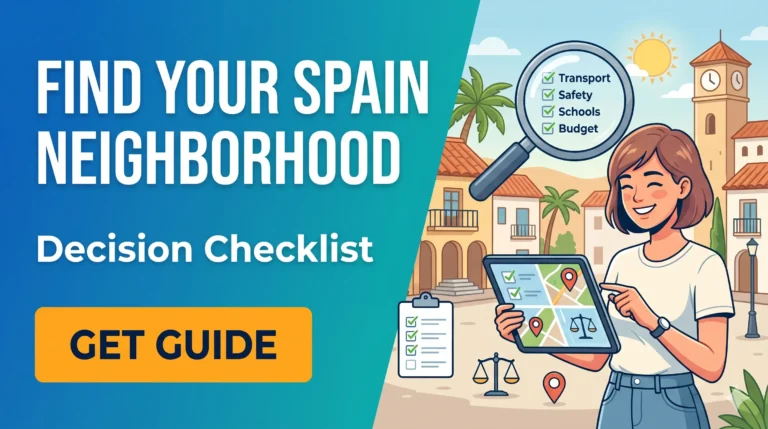
Neighborhood evaluation in Spain involves assessing street noise, grocery access, public transit, and building insulation before signing a lease.

Spanish town hall online services let residents download padrón certificates, pay local taxes, and book appointments without visiting municipal offices.
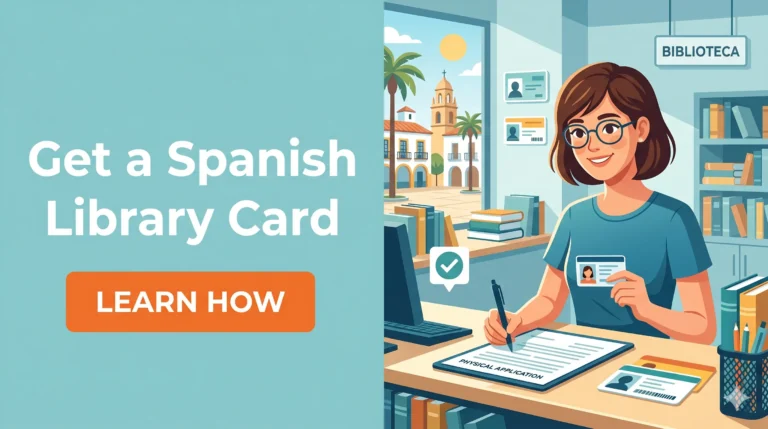
Spanish public library card registration requires visiting a circulation desk with a photo identification and proof of address.
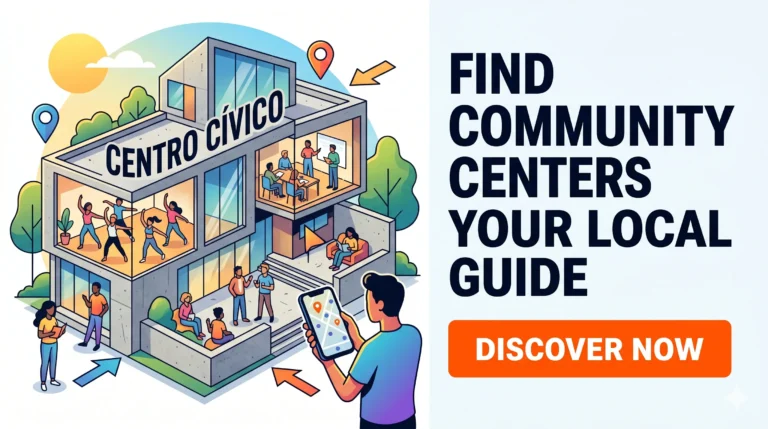
Spanish community centers offer subsidized neighborhood workshops, free study rooms, and cultural activities for residents across the country.
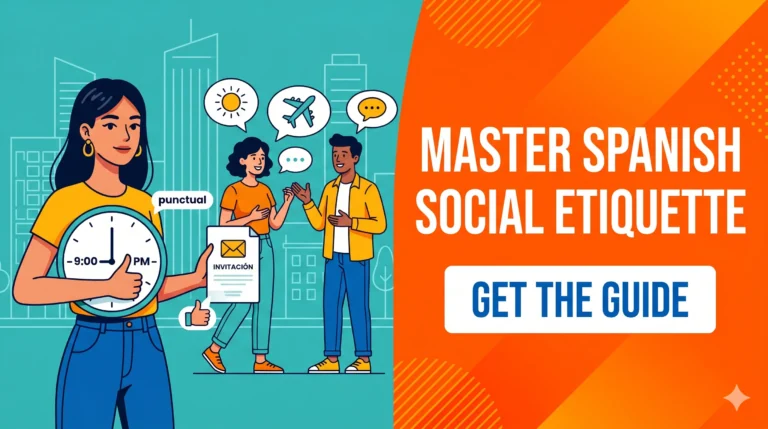
Spanish social etiquette reveals how to navigate time, invitations, meal traditions, and small talk for successful cultural integration.

Language exchanges, coworking spaces, and padel matches help remote workers overcome isolation, navigate cultural codes, and build friendships in Spain.
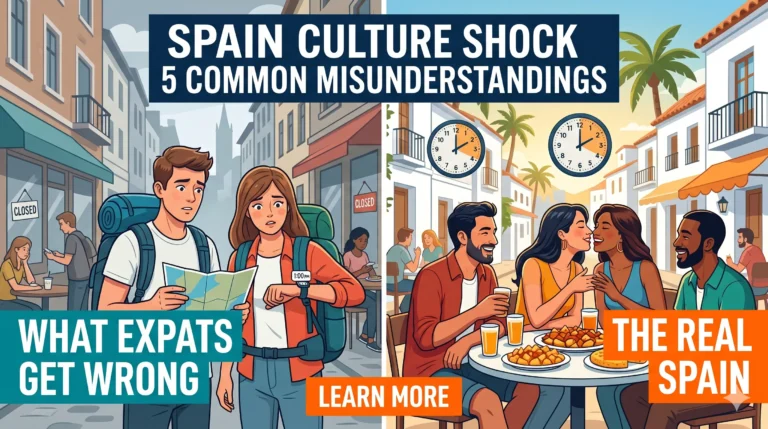
Spanish daily schedules, midday business closures, direct communication styles, and slow bureaucracy surprise new expats arriving in the country.
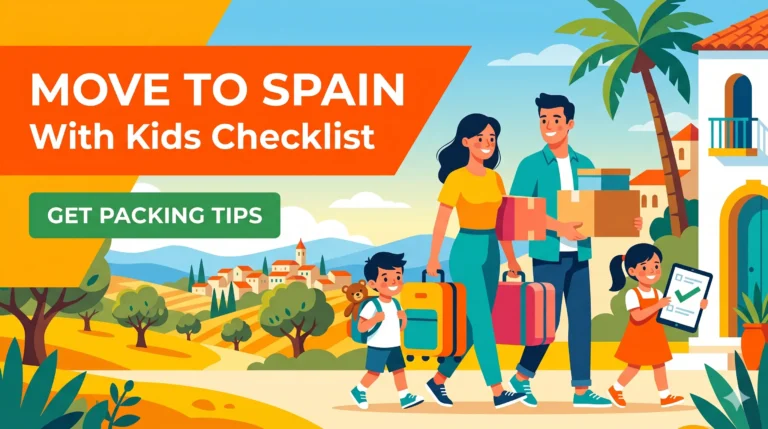
Family relocation to Spain requires physical birth certificates with a Hague Apostille, sworn medical translations, and proper school enrollment planning.
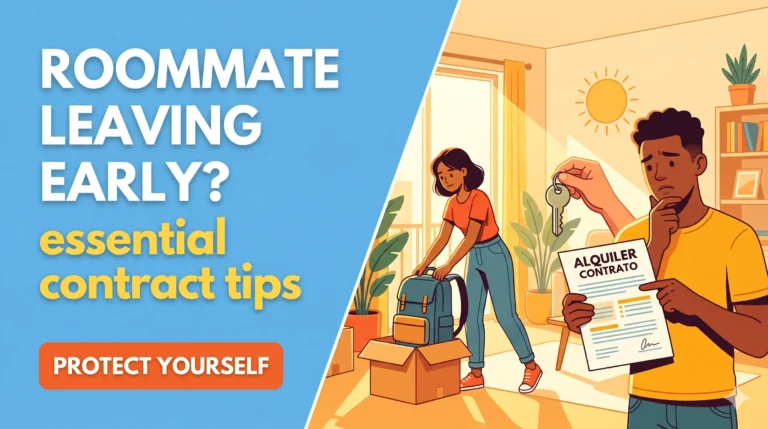
Joint and several liability laws in Spain mean roommates leaving mid-lease create severe financial risks for remaining tenants.

Tenant insurance in Spain details lease requirements, personal belongings protection, civil liability coverage, and emergency claims handling for renters.