Avoiding Job Scams in Spain: Red Flags for Foreign Job Seekers
Foreign job seekers in Spain can identify fraudulent employment offers, visa traps, and identity theft risks through official registry verification steps.

Foreign job seekers in Spain can identify fraudulent employment offers, visa traps, and identity theft risks through official registry verification steps.

Academic transcript legalization explains notarization, state authentication steps, and mandatory sworn translation requirements for authorities in Spain.

Spanish student visa applicants learn how to prove program enrollment and tuition payment to satisfy consulate requirements successfully.

Procedures for translating diplomas for Spain require MAEC sworn translators, the Hague Apostille, digital delivery, and correct legalization steps.

Renting a room in Spain involves Civil Code contracts, municipal census registration rules, deposit details, and safety tips to avoid rental scams.
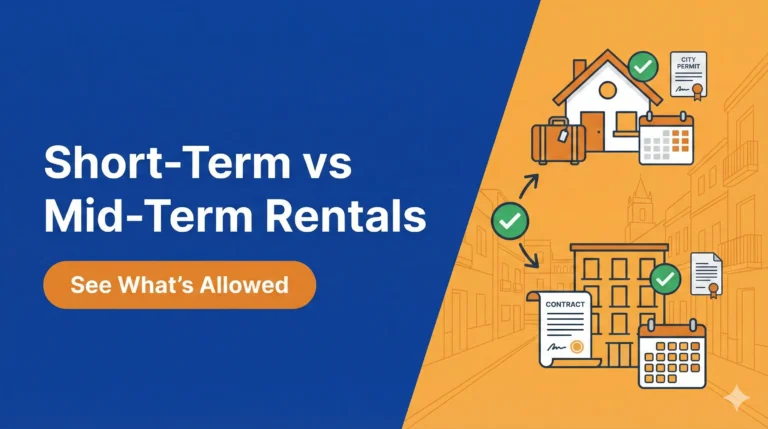
Spanish rental regulations explain tourist licenses and seasonal contracts, detailing legal differences, tenant rights, deposits, and risks for movers.

Spanish long term rentals require Idealista, Fotocasa, specific search filters, and financial dossiers to beat the high competition.

Rental fraud in Spain targets expats through fake listings and landlord abroad schemes that require careful property ownership verification.
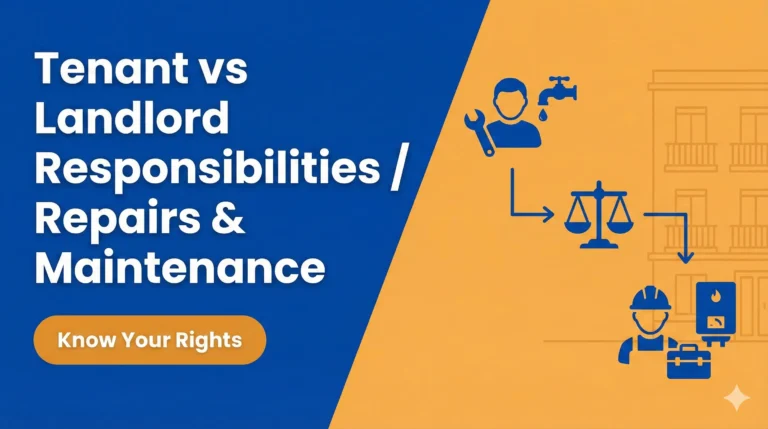
Spanish rental property laws divide repair responsibilities between landlords and tenants based on habitability, daily wear, and misuse.

Spanish rental laws, official indexes, and contract clauses determine what makes a rent increase legal or not.