Can a Pharmacist in Spain Help With Minor Illness? What to Expect
Navigating healthcare abroad can feel daunting, but in Spain, the local pharmacy is your best first stop for minor ailments. This guide explains how highly trained Spanish pharmacists can help treat common illnesses, which medications require prescriptions, and what to expect.
Disclosure: This post may contain affiliate links. We may earn a commission at no extra cost to you if you make a purchase through these links. Read full disclosure.
Understanding the Role of Pharmacists in Spain
Highly Trained Medical Professionals
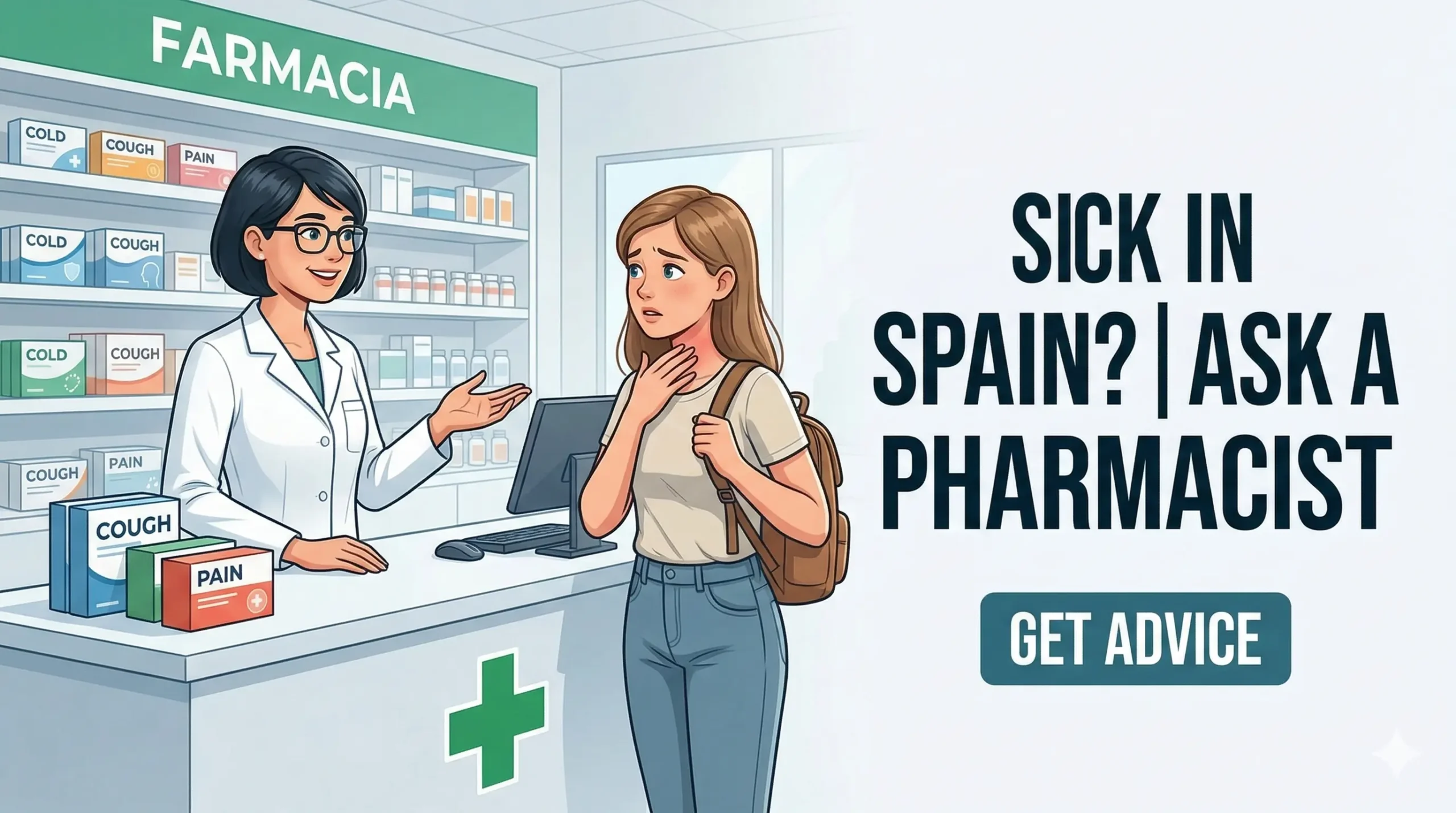
In Spain, a pharmacist (farmacéutico) is much more than a cashier who hands over pill bottles. They are highly educated medical professionals who undergo a rigorous, five-year university degree in pharmacy. Because of this extensive clinical training, Spanish pharmacists possess a deep understanding of pharmacology, drug interactions, and symptom triage. When you walk into a pharmacy—easily identifiable by the illuminated green cross hanging above the street—you are stepping into a first-line medical clinic. They are legally and professionally equipped to listen to your symptoms, examine minor physical issues, and recommend potent over-the-counter treatments that genuinely work.
The First Line of Primary Care
One of the biggest culture shocks for expats relocating from the United States or the United Kingdom is the strict regulation of medication sales. In many countries, you can easily buy a bottle of paracetamol, cough syrup, or antacids at a local supermarket, convenience store, or gas station. In Spain, this is strictly illegal. Every single type of medication, no matter how basic, can only be sold inside a licensed farmacia.
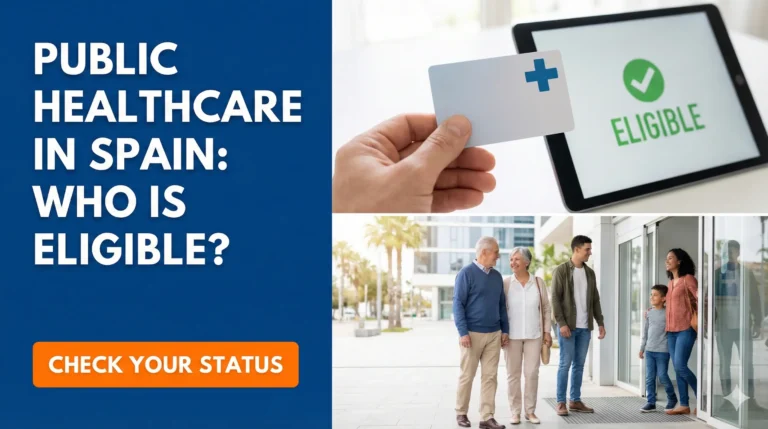
Because of this monopoly on health products, the pharmacy naturally acts as the country’s primary triage system. The local culture dictates that if you feel unwell, you do not immediately book a doctor’s appointment; you go to the pharmacist first. They will evaluate whether your issue can be managed with over-the-counter medication or if it requires a doctor’s intervention. If you are a new resident trying to figure out how to navigate the broader public health network, understanding this pharmacy-first approach is key before diving into the paperwork outlined in our guide on What Is a ‘Centro de Salud’ in Spain and How Do You Register?.
Minor Illnesses You Can Treat at the Farmacia
Cold Flu and Allergies
If you are struck by a sudden summer cold, a winter flu, or intense seasonal allergies, the Spanish pharmacist is your best friend. Instead of navigating the aisles yourself, you must approach the counter and describe your symptoms. The pharmacist will ask clarifying questions—such as whether your cough is dry or productive—and then select the most appropriate medication from behind the counter.
They have access to highly effective, pharmacy-only cold and flu granules (like the popular brands Frenadol or Couldina), strong cough suppressants, and non-drowsy antihistamines. If you prefer to manage your seasonal allergies or boost your immune system proactively before flu season hits, many expats rely on global platforms like iHerb to order specialized Vitamin C complexes, zinc, and daily probiotics. Sourcing your preventative wellness routine through iHerb ensures your immune system stays strong without paying the high retail markups often found in physical Spanish pharmacies.
Digestive Issues and Stomach Bugs
Indulging in Spain’s world-famous tapas and late-night dining culture can sometimes lead to unexpected digestive distress. If you suffer from mild food poisoning, traveler’s diarrhea, acid reflux, or severe indigestion, the pharmacist can provide immediate relief. They will typically recommend oral rehydration salts (suero oral) to prevent dehydration, alongside fast-acting antidiarrheal medications or potent antacids.
For expats with sensitive stomachs who are still adjusting to the rich, olive-oil-heavy Mediterranean diet, maintaining a steady supply of high-quality digestive enzymes and gut-health supplements is highly recommended. Ordering these specialized digestive aids in bulk through iHerb allows you to comfortably enjoy the local cuisine while knowing you have trusted, familiar remedies waiting in your apartment.
Skin Irritations and Minor Burns
Spain’s glorious, sun-drenched climate comes with its own set of minor hazards, including severe sunburns, heat rashes, and mosquito bites. If you spend too much time on the beaches of Andalusia and end up with a painful burn, the pharmacist can assess the severity of the skin damage. For minor burns, rashes, or insect bites, they can dispense soothing aloe vera gels, topical antihistamine creams, and low-dose hydrocortisone to reduce inflammation. If a rash looks suspicious or infected, the pharmacist is trained to recognize the warning signs and will firmly direct you to seek professional medical care.
What You Cannot Get Without a Prescription
Strict Rules on Antibiotics and Strong Painkillers
While Spanish pharmacists are incredibly helpful, they operate under strict national laws regarding what they can and cannot dispense without a doctor’s formal authorization. In recent years, Spain has aggressively cracked down on the over-the-counter sale of antibiotics to combat global antibiotic resistance. Under no circumstances will a Spanish pharmacist sell you antibiotics—whether for a suspected urinary tract infection, a sinus infection, or a dental abscess—without a valid, stamped medical prescription.
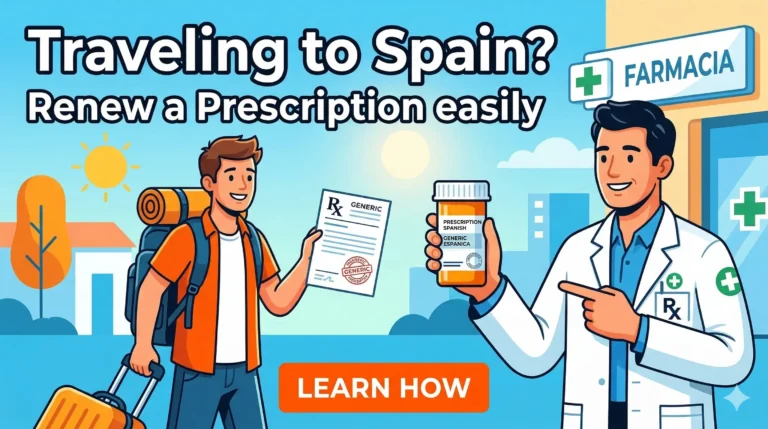
Furthermore, regulations on strong painkillers have tightened. While you can buy 400mg ibuprofen over the counter, the popular 600mg ibuprofen tablets and any medication containing codeine now strictly require a prescription. If you rely on specific, high-dose maintenance medications, you must plan ahead. You can learn exactly how to legally import your home prescriptions by reviewing Traveling With Medication in Spain: Practical Carry-On Tips, and discover the process for securing local refills in our guide on How to Get a Prescription Renewed in Spain If You’re Traveling.
Seeking Medical Help for Serious Symptoms
The pharmacist’s role is to treat minor, non-threatening ailments. If you present with symptoms of a severe infection, high fever lasting multiple days, chest pain, or suspected broken bones, the pharmacist will refuse to dispense medication and will instruct you to visit a doctor or an emergency room immediately.
If you are an expat who prefers to avoid the long waiting times of the public healthcare system, holding a robust private health insurance policy is essential. By securing a premium policy through a trusted broker like Innoinsure, you can bypass the public queues and see an English-speaking private doctor the very same day. To understand how these two systems differ in speed and quality, read our comprehensive breakdown on the Spain Healthcare System for Expats: Public vs Private. Furthermore, many policies sourced through Innoinsure include free, 24/7 digital doctor consultations. If the pharmacist tells you that you need a prescription, you can simply step outside, open your phone, and secure one digitally. Learn more about this massive convenience in Telemedicine in Spain: When It’s Useful and What to Expect.
Practical Tips for Visiting a Spanish Pharmacy
Operating Hours and Farmacias de Guardia
Standard Spanish pharmacies operate on traditional business hours. They typically open around 9:30 AM, close for the afternoon siesta between 2:00 PM and 5:00 PM, and reopen until 8:30 PM. They are usually closed on Saturday afternoons and all day on Sundays.
However, illness does not respect business hours. To ensure the public always has access to vital medications, every municipality operates a rotating roster of on-duty pharmacies, known as the farmacia de guardia. These designated pharmacies remain open 24 hours a day, including weekends and national holidays. If you wake up with a severe migraine at 3:00 AM, you can find the nearest open location by following the steps outlined in How to Find a ‘Farmacia de Guardia’ Near You in Spain.
Communicating Your Symptoms Effectively
If you do not speak fluent Spanish, visiting the pharmacy can feel intimidating, but there is no need to worry. Because pharmacists in tourist-heavy coastal areas and major cities deal with expats daily, many speak excellent English. If they do not, they are generally very patient. Using a translation app on your smartphone to type out your symptoms is highly effective. Do not hesitate to point to the affected area—such as your throat, your stomach, or a skin rash—to help them understand your needs. Being direct and describing your symptoms clearly allows them to select the exact right product from the thousands of boxes hidden behind the counter.
Payment Options and Managing Costs
Over-the-counter medications for minor illnesses are generally very affordable in Spain. A box of paracetamol or a standard cold remedy will rarely cost more than a few euros. However, it is important to note that these OTC medications are not subsidized by the state health system; you must pay the full retail price out of pocket. To understand how state subsidies work for prescribed medications versus private costs, review Health Costs in Spain: Typical Co‑Pays and Out‑of‑Pocket Fees.
When paying for your pharmacy haul—especially if you are stocking up on expensive items like specialized baby formula, high-end dermatological sunscreens, or multiple cold remedies—avoid using a traditional foreign bank card that charges exorbitant international transaction fees. Savvy expats utilize a borderless, multi-currency account like Wise. By tapping your Wise debit card at the pharmacy counter, you guarantee that you are paying the exact Euro amount at the true mid-market exchange rate, protecting your travel budget.
If the pharmacist sends you to a private clinic for a severe issue and you must pay out of pocket for the doctor’s consultation, you can also use your Wise card to settle the clinical invoice without hidden fees. If you later plan to file a reimbursement claim with your travel insurance for that clinical visit, ensure you gather the correct paperwork as detailed in How to Handle Medical Bills in Spain: Receipts, Claims, and Disputes.
Pharmacy Treatment vs Doctor Visit Comparison
To help you decide whether your symptoms warrant a quick trip to the local pharmacist or a formal doctor’s appointment, refer to this quick comparison table:
| Symptom / Condition | Go to the Pharmacy | See a Doctor |
| Common Cold / Mild Flu | Yes (Decongestants, throat lozenges) | Only if symptoms persist over a week |
| Mild Stomach Upset / Diarrhea | Yes (Rehydration salts, antacids) | If accompanied by severe pain or high fever |
| Minor Cuts, Scrapes, Burns | Yes (Antiseptics, bandages, aloe) | If the wound is deep or requires stitches |
| Suspected Infection (UTI, Sinus) | No (They cannot dispense antibiotics) | Yes (Requires diagnosis and prescription) |
| Chronic Condition Refills | No (Unless you have a valid prescription) | Yes (To issue or renew the prescription) |
| Severe Pain / Trauma | No (They cannot dispense strong opioids) | Yes (Visit Urgencias immediately) |
References
Primary sources (official)
- Consejo General de Colegios Oficiales de Farmacéuticos: https://www.farmaceuticos.com/
- Ministerio de Sanidad (Ministry of Health Spain) – Farmacia: https://www.sanidad.gob.es/
Other helpful sources
- Expatica – Pharmacies in Spain: https://www.expatica.com/es/healthcare/healthcare-services/pharmacies-in-spain-106770/
Disclaimer
The information provided in this article is for educational and informational purposes only and does not constitute formal medical or legal advice. Pharmacy regulations, medication availability, and prescription laws vary by autonomous community and are subject to change by local Spanish authorities. Always consult a licensed healthcare professional for serious medical diagnoses, and dial 112 in the event of a severe, life-threatening medical emergency.