How to Make a Complaint About Healthcare in Spain: Patient Rights
Navigating the Spanish healthcare system can be challenging when things go wrong. This comprehensive guide explains your legal patient rights, outlines the exact steps for filing a formal complaint, and provides strategies for resolving public and private medical disputes effectively.
Disclosure: This post may contain affiliate links. We may earn a commission at no extra cost to you if you make a purchase through these links. Read full disclosure.
Understanding Patient Rights in Spain
The Fundamental Law of Patient Autonomy
Spain offers a highly regulated healthcare system where the rights of patients are deeply enshrined in national law. The cornerstone of these protections is Law 41/2002, commonly known as the Basic Law Regulating Patient Autonomy (Ley Básica Reguladora de la Autonomía del Paciente). This legislation aligns Spain with the highest European standards for medical ethics and human rights, guaranteeing that every individual receiving medical care is treated with dignity, respect, and full transparency. For expats and tourists, it is crucial to understand that these rights apply equally to anyone accessing care on Spanish soil, regardless of their nationality or residency status.
Understanding these foundational rights is your first line of defense if you ever feel mistreated or marginalized by a healthcare provider. If a doctor dismisses your concerns or a hospital refuses to accommodate your legitimate requests, knowing that the Law of Patient Autonomy backs you provides the necessary leverage to demand better treatment. Whether you are navigating a routine check-up or a complex surgical procedure, being aware of your legal standing is essential for advocating for your own wellbeing in a foreign country.
Rights to Information and Informed Consent
One of the most critical components of patient rights in Spain is the absolute right to clear, comprehensible, and truthful medical information. Healthcare professionals are legally required to explain your diagnosis, the proposed treatment plan, the potential risks, and any available alternatives in a manner that you can genuinely understand. If you do not speak fluent Spanish, this right to information means you are fully entitled to bring a translator to your appointments, or in some major hospitals, request access to an interpreter service to ensure no crucial details are lost in translation.
If a medical professional performs a procedure without obtaining proper informed consent, or if the information provided was deliberately misleading or incomplete, this constitutes a severe violation of your patient rights. Such violations form the basis of many successful medical complaints and malpractice lawsuits in Spain. For expats managing long-term health issues, establishing clear communication and ensuring informed consent is paramount. You can read more about establishing a solid relationship with your primary care provider in our guide on What Is a ‘Centro de Salud’ in Spain and How Do You Register?.
Public vs Private Healthcare Protections
While the foundational rights of patient autonomy and informed consent apply universally across Spain, the mechanisms for enforcing these rights differ significantly depending on whether you are using the public or private healthcare sector. In the public system (Sistema Nacional de Salud), patient rights are safeguarded by regional health ministries and specific public administration protocols. The focus here is often on systemic issues, such as equitable access to care and the proper allocation of public health resources.
For expats, choosing between these two systems often dictates the type of advocacy and support they will receive during a dispute. If you rely heavily on private clinics, ensuring you have a reputable insurance provider is crucial. A strong policy from a trusted broker like Innoinsure not only grants you access to top-tier medical facilities but often includes dedicated patient advocacy and legal assistance services to help mediate any disputes that may arise with private doctors or hospitals. To fully understand the structural differences and how they impact your care, review our comprehensive breakdown of the Spain Healthcare System for Expats: Public vs Private.
Common Grounds for Medical Complaints
Administrative Delays and Long Waiting Lists
One of the most frequent reasons for patient complaints in Spain, particularly within the public healthcare system, is excessive administrative delays and agonizingly long waiting lists for specialist consultations and non-urgent surgeries. While the public system excels at handling acute, life-threatening emergencies, elective procedures and diagnostic tests can be postponed for months due to high demand and localized resource shortages. Patients legally have the right to receive medical care within a “reasonable” timeframe, and regional health authorities publish official maximum waiting time guarantees.
During these frustrating waiting periods, proactive patients often look for ways to manage their symptoms and maintain their overall well-being. Many expats turn to holistic health solutions, ordering specialized vitamins, joint support supplements, and high-quality nutritional products through global retailers like iHerb. Utilizing iHerb allows you to affordably source trusted international wellness brands that can help support your health while you navigate the bureaucratic queues of the public system. For a deeper understanding of what to expect regarding delays, see our article on How Long Are Typical Waiting Times in Spain’s Public System?.
Medical Negligence and Malpractice
Medical negligence (negligencia médica) is a much more severe ground for complaint and occurs when a healthcare professional fails to meet the standard of care expected in their field, resulting in direct harm, injury, or the worsening of a patient’s condition. This can include a wide range of terrifying scenarios, such as surgical errors (e.g., operating on the wrong body part), severe misdiagnoses or delayed diagnoses of critical illnesses like cancer, medication dosage errors, or catastrophic mistakes made during childbirth.
If you suspect you have been the victim of medical malpractice, your immediate priority must be to secure your complete medical history before any files can be altered or “lost.” Hospitals are legally obligated to provide you with a full copy of your records upon request. We detail the exact administrative steps for securing these vital documents in our guide on Medical Records in Spain: Accessing and Sharing Your History. Do not delay in gathering this evidence, as there are strict statutes of limitations for filing malpractice lawsuits in Spain.
Billing Disputes and Overcharges
In the private healthcare sector, billing disputes are a distressingly common source of patient complaints. Expats and tourists are particularly vulnerable to being overcharged, double-billed, or subjected to confusing, opaque pricing structures. Common issues include clinics charging for diagnostic tests that were never actually performed, applying arbitrary “administrative fees” to standard consultations, or failing to honor the pricing agreements established with specific private insurance networks.
When you do need to settle a legitimate out-of-pocket medical expense or pay for a specialized private consultation, avoiding predatory international banking fees is crucial. Using a transparent, multi-currency financial platform like Wise ensures that you can pay Spanish medical clinics directly in Euros using the true mid-market exchange rate. By paying with a Wise card or executing a local transfer through their platform, you protect your healthcare budget from the exorbitant hidden markups charged by traditional foreign banks. For more strategies on handling these financial matters, read How to Handle Medical Bills in Spain: Receipts, Claims, and Disputes.
The Official Complaint Process in the Public Sector
Submitting a Claim to Patient Services (Atención al Paciente)
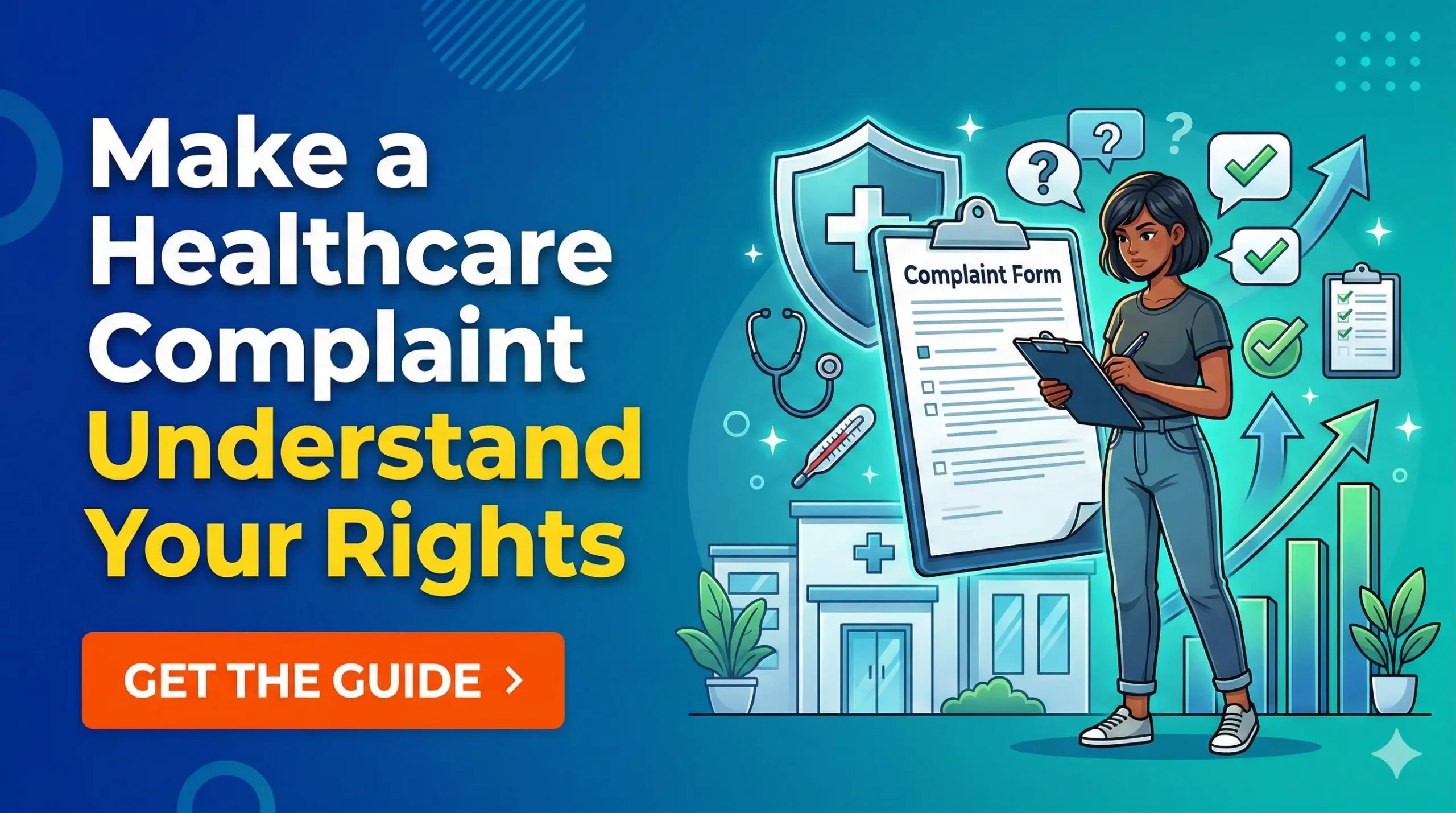
If you experience an issue within a public hospital or a local Centro de Salud, your first and most direct course of action is to file a formal complaint with the facility’s dedicated Patient Services department, known as the Servicio de Atención al Paciente (SAP). Every public healthcare facility in Spain is legally required to have this office, which serves as the primary liaison between the administration and the public.
To file a complaint, you must visit the SAP office in person and request an official complaint form (hoja de reclamación). You will need to fill out your personal details, clearly describe the incident, the dates, and the names of the medical staff involved if known. Be concise, objective, and factual. Once submitted, the administrative staff must stamp your copy of the form as proof of receipt. The hospital management is legally obligated to investigate your claim and provide a formal, written response, usually within 30 days, explaining their findings and any corrective actions taken.
Escalating to the Regional Health Ministry
If the response from the hospital’s Patient Services department is unsatisfactory, dismissive, or simply never arrives within the mandated timeframe, you must escalate your complaint to the regional level. Because the Spanish public healthcare system is decentralized, each of the 17 autonomous communities operates its own Health Ministry (Consejería de Sanidad). This regional body oversees all public hospitals and clinics within its specific territory and holds the ultimate administrative authority.
The regional Health Ministry has a dedicated health inspection unit (Inspección Médica) that can launch a formal, independent investigation into the hospital’s practices. This unit has the authority to audit medical records, interview staff, and issue binding resolutions that the hospital must follow. Escalating to this level is particularly necessary for severe issues involving chronic neglect, massive breaches of maximum waiting times, or systemic failures in care delivery.
Involving the Defensor del Paciente (Ombudsman)
When you have exhausted the standard administrative channels within the health system and still feel your rights are being blatantly violated, you can seek the intervention of the Patient Ombudsman. In Spain, this role is often fulfilled by the national Defensor del Pueblo (Defender of the People) or its regional equivalents (such as the Síndic de Greuges in Catalonia or the Defensor del Pueblo Andaluz in Andalusia). These are independent, high-level institutional bodies appointed by parliament to fiercely protect citizens’ rights against abuses by public administrations.
While the Defensor’s resolutions are technically non-binding recommendations rather than legal verdicts, their institutional weight is massive. Public health administrations rarely ignore a formal reprimand from the Ombudsman, as it often leads to negative media scrutiny and intense political pressure. Furthermore, there are influential private NGOs, such as the Asociación El Defensor del Paciente, which act as aggressive advocacy groups for victims of medical negligence, offering guidance and frequently pushing high-profile cases into the national spotlight to demand systemic reform. For expats managing severe, ongoing cases where local support falls short, understanding your rights is critical, which we touch upon in Chronic Conditions in Spain: Managing Ongoing Care as an Expat.
Resolving Disputes in the Private Sector
Using the Hoja de Reclamaciones (Consumer Complaint Form)
When a dispute arises in a private hospital, a dental franchise, or an independent specialist clinic, you are dealing with a commercial business. Therefore, your most powerful immediate tool is the official state consumer complaint form, known universally across Spain as the Hoja de Reclamaciones. Every single commercial establishment operating in Spain, including prestigious private medical clinics, is legally mandated to keep these standardized forms on the premises and provide them to any client immediately upon request.
If a private clinic overcharges you, refuses to provide an itemized invoice, or acts in a highly deceptive manner, simply walking up to the reception desk and firmly asking for the Hoja de Reclamaciones will often instantly change their attitude. The form consists of three color-coded carbon copies. You must fill out the details of the commercial dispute right there in the clinic. The clinic manager must sign and stamp the document. You leave the pink copy with the clinic, keep the green copy for your records, and most importantly, you must personally submit the original white copy to the local government consumer protection office (OMIC).
Contacting Your Private Insurance Provider
If you did not pay entirely out of pocket and instead utilized a private health insurance policy to access the clinic, your insurance provider should be your very first point of contact during a dispute. High-quality insurance companies have massive financial leverage over the private clinics within their direct-billing networks (cuadro médico). If a clinic within their network is treating their policyholders poorly, attempting to illegally charge hidden copayments, or providing substandard care, the insurer wants to know about it immediately.
This is precisely why choosing a reputable insurance provider is so critical for expats. By utilizing a specialized broker like Innoinsure, you ensure that you are purchasing a premium policy from an insurer that genuinely advocates for its clients, rather than abandoning them when a complex dispute arises with a private hospital. Having a powerful corporate entity fighting in your corner dramatically reduces the stress of navigating a foreign medical conflict. For context on the types of costs insurers protect you from, review Health Costs in Spain: Typical Co‑Pays and Out‑of‑Pocket Fees.
Consumer Arbitration and the OMIC
If direct negotiations with a private clinic fail and your insurance company cannot resolve the issue, you can escalate the matter to the Municipal Consumer Information Office (Oficina Municipal de Información al Consumidor, or OMIC). The OMIC acts as a completely free, objective, and state-sponsored mediator between aggrieved consumers (patients) and private businesses (medical clinics).
When you submit your Hoja de Reclamaciones to the OMIC, they will formally contact the clinic, demand their written version of events, and attempt to broker a fair, extrajudicial financial settlement. If mediation fails, the OMIC can offer you the option to enter the Consumer Arbitration System (Sistema Arbitral de Consumo). This is a fast, free, and completely voluntary alternative to going to court.
Seeking Legal Action for Medical Malpractice
Gathering Medical Records and Evidence
When a medical error results in severe physical injury, permanent disability, or the tragic death of a family member, administrative complaints and consumer mediation are no longer sufficient. You must enter the Spanish judicial system to seek justice and financial compensation. The absolute bedrock of any successful medical malpractice lawsuit is a flawless, comprehensive collection of documentary evidence.
Your very first step must be to formally request your complete, unedited medical history (historia clínica) from every hospital and clinic involved in your care. By law, they must provide this to you. You also need to gather every single diagnostic image (X-rays, MRIs), blood test result, surgical consent form you signed, and all post-operative discharge reports. Furthermore, you must meticulously document your physical damages. Keep a detailed journal of your pain levels, photograph visible injuries or botched surgical sites regularly, and save absolutely every receipt related to rehabilitation costs, specialized mobility equipment, or required psychological therapy.
If you are struggling to manage ongoing chronic pain while building your legal case, accessing virtual medical advice can be a vital lifeline. Utilizing digital platforms for second opinions is highly effective; learn more in our guide on Telemedicine in Spain: When It’s Useful and What to Expect. Remember, the burden of proof in a Spanish court rests entirely on you, the plaintiff. Without an ironclad paper trail documenting exactly what happened and when, your legal case will not survive the initial judicial review.
Hiring a Specialized Medical Lawyer
Medical malpractice law (derecho sanitario) is arguably the most complex and specialized branch of civil liability in Spain. You absolutely cannot navigate this judicial minefield alone, nor should you hire a general practice lawyer who primarily handles real estate or standard traffic accidents. You must actively seek out and hire an Abogado Especialista en Negligencias Médicas—a lawyer who dedicates their entire career exclusively to fighting medical malpractice claims.
When hiring a top-tier legal team, establishing a clear, transparent payment structure is essential. Many expats managing complex cross-border lives need to pay significant legal retainers or expert witness fees from their home country bank accounts. Utilizing a highly secure financial platform like Wise allows you to execute these large, high-stakes international transfers directly to your Spanish lawyer’s trust account swiftly and securely, ensuring your legal representation is funded without losing thousands to predatory bank exchange rates.
Financial Considerations and Compensation
Pursuing a medical malpractice lawsuit in Spain requires immense patience and a clear understanding of the financial landscape. These complex legal battles can easily drag on for three to five years before a final verdict is reached in the higher courts. Fortunately, to ensure that victims of medical negligence are not priced out of justice, many specialized Spanish law firms operate on a “no win, no fee” basis, known locally as a cuota litis.
Under this arrangement, the law firm will cover the upfront costs of the investigation and only charge you a pre-agreed percentage (typically between 15% and 25%) of the final financial compensation you receive if they successfully win the case or secure a lucrative out-of-court settlement. If you lose, you generally do not owe the lawyer any professional fees, though you may still be responsible for court administrative costs or the opposing side’s legal fees if the judge rules your claim was entirely frivolous.
Comparative Summary: Public vs Private Complaint Channels
| Complaint Type / Goal | Public Healthcare Sector | Private Healthcare Sector |
| First Point of Contact | Atención al Paciente (SAP) at the hospital | Clinic Management / Reception Desk |
| Official Complaint Form | Hoja de Reclamación (Internal Health Form) | Hoja de Reclamaciones (Official Consumer Form) |
| Escalation Body | Regional Health Ministry (Consejería de Sanidad) | Municipal Consumer Office (OMIC) |
| External Mediation | Defensor del Pueblo / Regional Ombudsman | Consumer Arbitration Board |
| Severe Malpractice | Administrative claim leading to Contentious-Administrative Court | Civil Lawsuit in standard Civil Courts |
References
Primary sources (official)
- Boletín Oficial del Estado (BOE) – Ley 41/2002 (Basic Law Regulating Patient Autonomy): https://www.boe.es/buscar/doc.php?id=BOE-A-2002-22188
- Asociación El Defensor del Paciente (Patient Ombudsman Association): https://www.negligenciasmedicas.com/
- Ministerio de Sanidad (Ministry of Health) – Derechos y Deberes: https://ingesa.sanidad.gob.es/ceuta/Ciudadano/Ciudadanos/Derechos-y-Deberes.html
Other helpful sources
- OCU (Organization of Consumers and Users) – Derechos de los pacientes: https://www.ocu.org/salud/derechos-paciente/informe/derechos-paciente
- Expatica – Healthcare in Spain Guide: https://www.expatica.com/es/healthcare/
Disclaimer
The information provided in this article is for educational and informational purposes only and does not constitute formal legal or medical advice. Patient rights, consumer protection protocols, and judicial procedures in cases of medical malpractice are highly complex and subject to frequent legislative updates at both the national and regional levels in Spain. Always consult directly with a qualified, specialized Spanish medical lawyer (abogado especialista en negligencias médicas) or an official consumer rights advocate regarding your specific circumstances before initiating formal legal action.