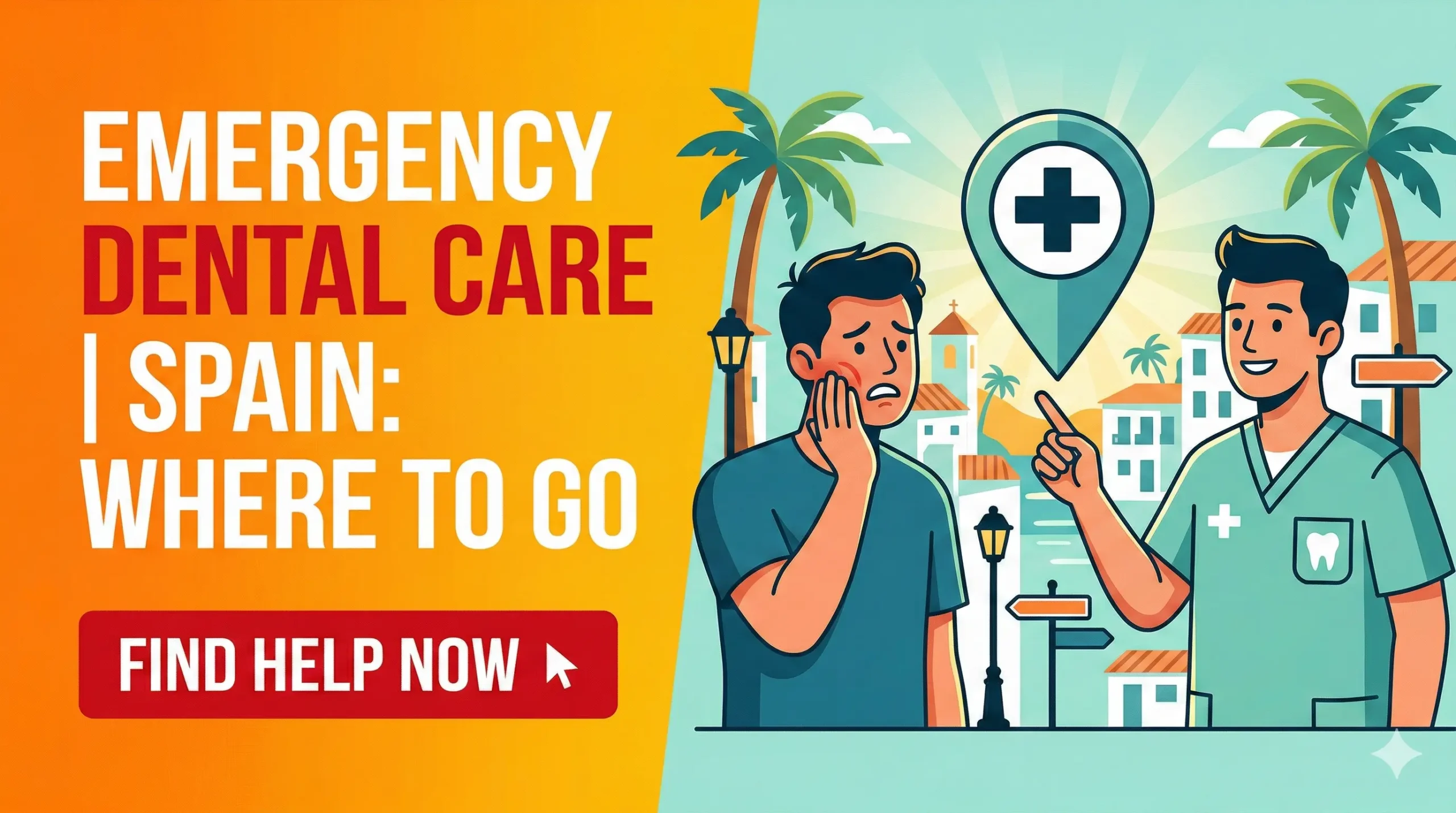
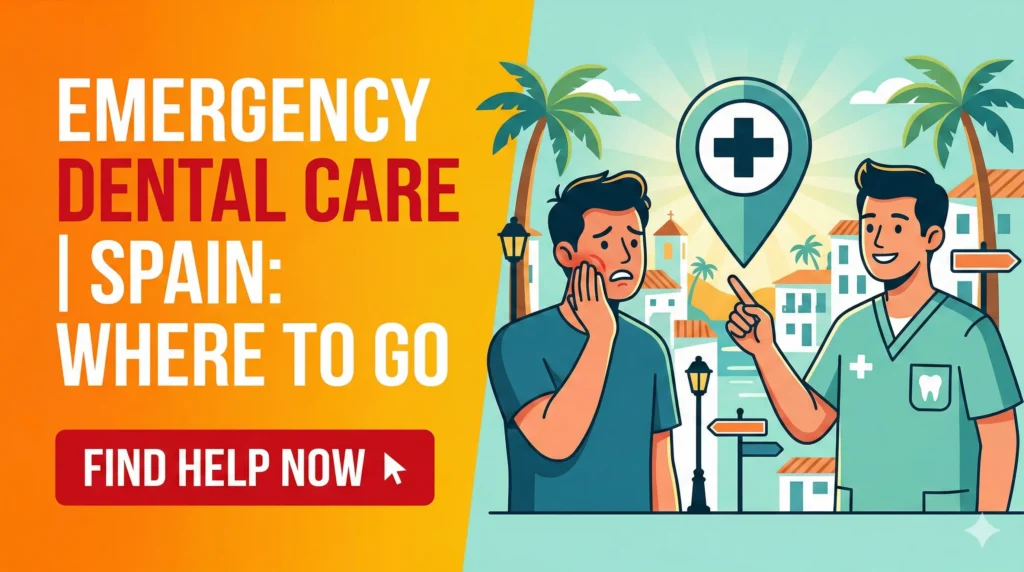
Emergency Dental Care in Spain: Where to Go
Disclosure: This article contains affiliate links. If you buy through them, we may earn a commission at no extra cost to you. Read our full disclosure.
Experiencing a dental emergency in a foreign country can be incredibly stressful. This comprehensive guide explains exactly how to navigate Spain’s dental care system, find an English-speaking emergency dentist, understand out-of-pocket costs, and secure immediate relief when you need it most.
Understanding Dental Care in the Spanish Healthcare System
When expats relocate to the Iberian Peninsula, they are often thrilled to discover the high quality of the national health service. However, a common and sometimes painful misconception is that the Spanish public healthcare system covers everything. When it comes to dentistry, the rules change dramatically, and understanding these strict limitations is your absolute first line of defense during a dental crisis.
The Limits of Public Dental Coverage
Spain’s public healthcare network, the Sistema Nacional de Salud (SNS), provides world-class medical coverage, but it notoriously excludes almost all routine and restorative adult dental care. If you suffer from a sudden cavity, a broken crown, or require an urgent root canal, the public system will simply not cover the treatment. You cannot just book an appointment at your local public clinic for a standard toothache and expect a state-funded dentist to restore the tooth. For adults, public dental coverage is strictly limited to preventive education, the treatment of acute infections, and oral maxillofacial surgery for severe trauma or tumors.
In contrast, the pediatric system is slightly more generous. Children under the age of 15 are entitled to basic preventive care, including annual check-ups, fissure sealants, and fluoride treatments, funded by the regional health authorities. However, even for children, orthodontic work like braces is almost never covered unless it is deemed medically necessary due to a severe congenital deformity. If you are navigating health coverage for your children and want to understand these regional pediatric benefits, it is highly recommended to review our broader guide on Pediatric Care in Spain: Choosing a Pediatrician.
The stark reality for expats is that adult dentistry in Spain is overwhelmingly privatized. Over 90 percent of dental care in the country is provided by independent, private practitioners. If you rely solely on the SNS for your general health, you must conceptually separate your medical care from your dental care. Failure to understand this distinction often leaves tourists and new residents scrambling to find a private clinic while in excruciating pain, completely unaware that their European Health Insurance Card (EHIC) or public social security number will not help them get a broken tooth fixed. To better grasp the overall structure of Spanish healthcare, read our deep dive into the Spain Healthcare System for Expats: Public vs Private.
When to Visit a Public Hospital Emergency Room
While the public system will not fill a cavity, there is a very distinct line between a standard dental problem and a life-threatening medical emergency. You should absolutely visit a public hospital emergency room (Urgencias) if your dental issue crosses into severe medical territory. Indicators of a true emergency include uncontrollable bleeding from the mouth following an extraction, severe facial trauma resulting in a fractured jaw, or a massive dental abscess that is causing swelling so severe it threatens to obstruct your airway or spread to your eye.
However, it is crucial to understand that their goal is purely medical stabilization. Once the immediate threat to your life or health is neutralized, the hospital will discharge you and explicitly instruct you to visit a private dentist to actually fix the underlying problem, such as extracting the dead tooth or performing the root canal. The hospital doctor will not perform endodontics or restorative dentistry. If you are unsure how to initially register for public emergency services or where your closest clinic is located, reviewing What Is a ‘Centro de Salud’ in Spain and How Do You Register? will ensure you are in the system before a crisis hits.
Finding a Private Emergency Dentist in Spain
Because the heavy burden of restorative dental care falls entirely on the private sector, Spain boasts an incredibly dense network of private dental clinics (clínicas dentales). Finding one that is open during a late-night emergency or on a Sunday requires knowing exactly what to look for.
How to Locate a Twenty Four Hour Dental Clinic
In major Spanish metropolitan hubs like Madrid, Barcelona, Valencia, and Seville, finding a dedicated 24-hour dental hospital is relatively straightforward. These modern facilities operate round-the-clock and always have a specialized triage dentist on staff. To find them, you should use local search terms such as “urgencias dentales 24 horas” or “dentista de urgencia cerca de mi” (emergency dentist near me) in your preferred search engine.
When you contact an on-call dentist, they will typically perform a quick telephone triage to determine the severity of your pain. If it is a true emergency, they will leave their home and physically open the clinic just for you. Because this requires a significant disruption to their personal schedule, you can expect a substantial call-out fee to be added to your final bill. If you frequently travel or live remotely, utilizing a robust health policy through a broker like Innoinsure is incredibly beneficial, as their digital apps often feature 24/7 tele-triage services to advise you on whether an immediate clinic visit is truly necessary before you pay a premium call-out fee.
Walk In Appointments and Weekend Availability
Spanish business hours famously include a long afternoon break (siesta), and independent dental clinics are no exception. A standard neighborhood clinic might close from 2:00 PM to 4:30 PM before reopening for the evening. Furthermore, standard dental clinics almost universally close their doors on Friday evenings and do not reopen until Monday morning. If you crack a tooth on a Saturday afternoon, you cannot rely on your regular neighborhood dentist being available.
For weekend care, you must seek out specific emergency clinics. These facilities are designed for walk-ins, but calling ahead is always highly recommended to minimize your waiting time, as these clinics can get incredibly busy with other patients who have also suffered weekend accidents. When navigating weekend medical or dental crises, understanding the broader landscape of after-hours care is vital; our guide on What to Do If You Need Care on a Weekend in Spain offers excellent supplementary advice for both medical and dental scenarios.
Common Dental Emergencies and Immediate Actions
Knowing how to react in the crucial minutes following a dental emergency can mean the difference between saving a tooth and losing it permanently. While seeking professional help is the ultimate goal, your immediate at-home actions are highly critical.
Dealing with Severe Toothache and Abscesses
A severe, throbbing toothache that keeps you awake at night is usually the result of an infection reaching the dental pulp, where the nerve resides. If this infection spreads into the surrounding gum and bone, it creates an abscess, known in Spanish as a flemón. An abscess presents as a painful, swollen, pus-filled bump on the gum line, often accompanied by a foul taste in the mouth and a fever. This is a severe infection that requires immediate professional intervention to prevent bone loss.
While you are waiting to see a dentist, you should rinse your mouth gently with warm saltwater to help draw out the infection and keep the area clean. Avoid placing aspirin directly on the gum tissue, as this is a common myth that actually causes severe chemical burns to the delicate soft tissue. Instead, take over-the-counter anti-inflammatory medication like Ibuprofen. For expats who prefer natural, holistic pain management while waiting for their appointment, using high-quality clove oil (eugenol) applied directly to the cavity can act as a powerful temporary numbing agent. You can reliably source trusted, pure essential oils and natural dental first-aid kits through global wellness platforms like iHerb to keep in your home medicine cabinet.
Handling Broken or Knocked Out Teeth
Dental trauma from sports injuries, bicycle falls on cobblestones, or simply biting down on a hidden olive pit is incredibly common in Spain. If a tooth is chipped or broken, your first step is to locate the broken fragment. Place it in a small container of milk or saline solution, as modern bonding techniques can sometimes seamlessly reattach the original fragment. If the remaining tooth in your mouth has a sharp, jagged edge that is cutting your tongue, apply a small piece of orthodontic dental wax over the edge. Expats can easily order specialized dental wax and temporary filling material kits via iHerb to secure their mouth safely until they reach the clinic.
If an entire permanent adult tooth is completely knocked out (avulsed), time is of the absolute essence. You have approximately 30 to 60 minutes to get to a dentist for the highest chance of successful reimplantation. You must handle the knocked-out tooth exclusively by the crown (the white chewing surface), never by the root, as touching the root damages the delicate periodontal ligament cells necessary for reattachment.
If it is visibly dirty, rinse it gently with milk or saline for no more than ten seconds. Do not scrub it with soap or water. If possible, gently push the tooth back into its socket and bite down on a clean gauze or teabag to hold it in place. If you cannot reinsert it, place the tooth in a small cup of cold milk or keep it in your cheek pouch (using your own saliva) and proceed immediately to the nearest urgencias dentales.
Navigating Costs and Dental Insurance
Because adult dental emergencies are handled almost exclusively in the private sector, understanding the financial implications is crucial to avoid bill shock when you are already in a state of deep distress.
Expected Out of Pocket Expenses for Dental Emergencies
Dental care in Spain is remarkably affordable compared to the United States, the United Kingdom, or Australia. The highly competitive nature of the Spanish private dental market keeps prices reasonable, which is exactly why Spain is a premier destination for European dental tourism. However, emergency appointments carry premium surcharges, especially if you require a dentist to open a clinic on a Sunday or a national public holiday.
Below is a comparative breakdown of average expected out-of-pocket costs for emergency dental procedures in Spain. Please note that prices vary depending on whether you are in an expensive urban center like Barcelona or a smaller inland city in Andalusia.
| Emergency Procedure | Average Weekday Cost | Estimated Weekend / Night Surcharge |
| Emergency Consultation & X-Ray | €40 – €80 | €100 – €150 |
| Simple Tooth Extraction | €60 – €100 | Standard fee + Consultation surcharge |
| Surgical / Wisdom Tooth Extraction | €150 – €300 | Standard fee + Consultation surcharge |
| Emergency Root Canal (Palliative) | €100 – €150 | Standard fee + Consultation surcharge |
| Re-cementing a Loose Crown | €50 – €90 | Standard fee + Consultation surcharge |
If you are a tourist or an expat paying these emergency fees entirely out of pocket, traditional foreign bank cards will hit you with terrible dynamic currency conversion rates and hidden international transaction fees. To protect your travel budget, financially savvy expats utilize multi-currency accounts like Wise. By tapping your Wise debit card at the dental clinic’s reception desk, you guarantee that you are paying the exact Euro amount at the transparent, mid-market exchange rate, keeping your money focused entirely on your recovery rather than banking fees. To gain a broader understanding of how these costs fit into the overall medical landscape, read our guide on Health Costs in Spain: Typical Co-Pays and Out-of-Pocket Fees.
Using Private Health and Dental Insurance
The most effective way to shield yourself from unexpected dental costs in Spain is to carry specialized private dental insurance. In the Spanish market, dental insurance is frequently offered as an incredibly affordable add-on to a standard private medical policy, or it can be purchased as a completely standalone product from major insurers.
Spanish dental insurance operates primarily on a co-pay or franchise model. You pay a very low monthly premium, often between €10 and €20. In return, basic preventive services like annual check-ups, X-rays, emergency consultations, and basic cleanings are provided completely free of charge. For major restorative work like root canals, crowns, or surgical extractions, the insurance policy provides a pre-negotiated, heavily discounted price list. This means a root canal that might cost a walk-in patient €300 will only cost an insured patient €150.
For expats looking to secure this vital coverage, navigating the complex Spanish insurance market alone can lead to purchasing policies with highly restrictive clinic networks. Utilizing a specialized, international insurance broker like Innoinsure ensures you are matched with a premium policy that features an extensive, nationwide network of high-quality dental clinics. Furthermore, when you experience an emergency, having a policy secured through Innoinsure means you can simply show your digital insurance card to waive the exorbitant weekend consultation fees entirely. If you eventually need to submit an invoice for a partial reimbursement based on your specific policy tier, our detailed guide on How to Handle Medical Bills in Spain: Receipts, Claims, and Disputes will walk you through the exact paperwork required.
Practical Tips for Expats and Tourists
Managing a dental crisis in a foreign country requires local knowledge regarding pharmacies, prescriptions, and language barriers. Being proactively prepared will significantly reduce your anxiety during a painful event.
Over the Counter Relief at Spanish Pharmacies
If a dental emergency strikes in the middle of the night and you absolutely cannot reach a dentist until the morning, the Spanish pharmacy system is your best immediate resource. While standard pharmacies close in the evening, every municipality operates a rotating on-duty pharmacy system known as the Farmacia de Guardia. These specific pharmacies are legally mandated to remain open 24/7 to dispense emergency medical and dental relief.
When you visit an on-duty pharmacy for severe tooth pain, the local pharmacist (farmacéutico) can provide highly effective over-the-counter pain management. In Spain, high-dose Ibuprofen (up to 600mg) and powerful NSAIDs like Enantyum (Dexketoprofen) are frequently recommended for acute dental pain. However, Spanish law strictly prohibits pharmacists from dispensing antibiotics, such as Amoxicillin, without an official, stamped prescription from a licensed doctor or dentist. Do not attempt to argue with the pharmacist for antibiotics; they legally cannot bend this rule under any circumstances.
To pay for these late-night, emergency pharmacy runs without incurring foreign transaction fees, bringing your Wise card is always the smartest financial move. To find the exact location of the on-duty pharmacy in your specific neighborhood tonight, follow the localized instructions deeply outlined in our guide: How to Find a ‘Farmacia de Guardia’ Near You in Spain. Additionally, for expats who prefer to be proactively prepared, building a comprehensive dental first-aid kit using specialized products ordered through iHerb, such as temporary filling cements, numbing gels, and sterile gauze, ensures you are never caught empty-handed during a midnight dental crisis.
Language Barriers and Finding English Speaking Dentists
Discussing complex, localized pain or complex surgical procedures in a second language can be incredibly daunting, leading to miscommunications regarding your care. For expats and tourists who do not speak fluent Spanish, finding an English-speaking dentist is usually a top priority. Fortunately, because Spain is a massive hub for international residents, digital nomads, and retirees, locating bilingual dental professionals is highly achievable.
In popular coastal regions like the Costa del Sol, the Costa Blanca, and the Balearic Islands, the vast majority of private dental clinics heavily advertise their English-speaking capabilities, as expats form a massive portion of their client base. In major cities like Madrid and Barcelona, international dental clinics are incredibly common. When calling a clinic in an emergency, simply ask, “¿Hay un dentista que hable inglés?” (Is there a dentist who speaks English?).
Ensuring clear communication not only reduces your stress but guarantees that you provide informed consent for any emergency extractions or restorative procedures proposed by the clinical team. If you are ever prescribed strong post-operative painkillers following a severe dental extraction and need to fly back to your home country, understanding the rules for transporting these medications is essential. For advice on carrying your prescribed medications safely through airport security, review our guide on Traveling With Medication in Spain: Practical Carry-On Tips.
References
Primary sources (official)
- Consejo General de Dentistas de España: https://consejodentistas.es/
- Ministerio de Sanidad (Ministry of Health Spain) – Asistencia Sanitaria: https://www.sanidad.gob.es/
Other helpful sources
- European Commission – European Health Insurance Card (EHIC) in Spain: https://employment-social-affairs.ec.europa.eu/policies-and-activities/moving-working-europe/eu-social-security-coordination/european-health-insurance-card/how-use-card/spain-european-health-insurance-card_en
- Citizens Advice Bureau Spain – Healthcare Information: https://www.citizensadvice.org.es/
Disclaimer
The information provided in this article is for educational and informational purposes only and does not constitute formal medical, dental, or legal advice. Dental costs, insurance coverage limits, and clinic operating hours vary significantly by region and individual provider in Spain. In the event of severe facial trauma, uncontrollable oral bleeding, or swelling that impairs your breathing or swallowing, immediately dial 112 or proceed to the nearest public hospital emergency department (Urgencias).