August in Spain: Why Coastal Rates Triple and Where to Go Instead
Ah, August in Spain! The very thought conjures images of sun-drenched beaches, late-night chiringuitos, and endless siestas by the sea. Many of us arrive in Spain with exactly that dream, only to find that the reality of summer travel, particularly along the coast, can be a bit of a shocker. If you've ever tried to book a last-minute getaway to the Mediterranean or Atlantic shores for August, you've likely encountered prices that feel like they've tripled overnight, and crowds that make a sardine can seem spacious. But don't despair! This guide is here to unravel why August is like this, validate your exasperation, and, most importantly, show you some incredible alternatives and smart strategies to enjoy Spain without breaking the bank or your patience.
Disclosure: This post may contain affiliate links. We may earn a commission at no extra cost to you if you make a purchase through these links. Read full disclosure.
The Summer Squeeze: Why August in Spain is Different
Let's be honest, August is the big one for holidays here in Spain. It's when most locals take their annual leave, schools are out, and the entire country seemingly shifts into vacation mode. This isn't just a quirk; it's a deeply ingrained cultural phenomenon that creates a unique, albeit challenging, travel landscape for foreigners.
The Local Exodus: Operación Salida
If you've ever been in a Spanish city at the end of July or beginning of August, you might have noticed the sudden quiet. That's Operación Salida (Operation Departure) in full swing! This is the annual mass migration of Spaniards from the inland cities to the coastal areas for their summer holidays. Families pack up their cars, often with elaborate plans to spend weeks by the sea. This isn't a trickle; it's a torrent. The entire country practically closes down, with many businesses in major cities operating on skeleton crews or shutting their doors entirely for a month.
This deep-seated tradition means that popular destinations are not just busy with international tourists; they're absolutely heaving with locals on their well-deserved breaks. Imagine millions of people all wanting a piece of that same sunny coastline at the exact same time. It's a logistical marvel and a consumer frenzy all rolled into one. Understanding this local exodus is key to grasping why everything feels so different, and so expensive, during this specific month. It's not just about foreign demand; it's the nation collectively hitting the beaches.
Supply and Demand: Price Hikes and Crowds
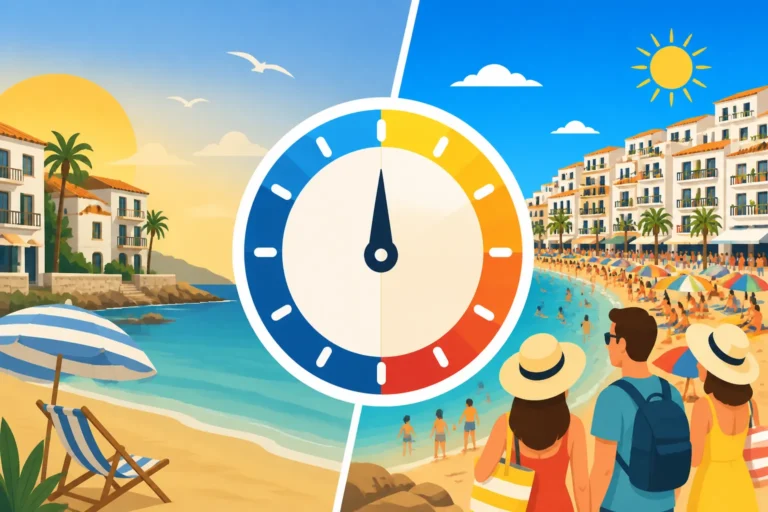
The simple economics of supply and demand hit hard during August in Spain. With virtually the entire country on holiday, the demand for coastal accommodation, transport, and even basic services skyrockets. This isn't just a slight bump; it's an exponential surge. You'll find that hotels, rental apartments, and even campsites along the most sought-after coasts will charge premium rates, often three times or more what they would in May or September.
But it's not just the price tags that swell. The sheer number of people can transform idyllic spots into bustling hubs. Beaches that look pristine in photos become wall-to-wall with umbrellas and towels. Popular restaurants have long queues, and getting a table at a spontaneous tapas spot can feel like winning the lottery. Even public transport to these areas, if you haven't booked well in advance, can be fully booked or significantly more expensive. Theme parks, water parks, and major tourist attractions become incredibly crowded, often requiring pre-booked tickets and still involving long waits. This intensity can be overwhelming if you're not prepared for it, turning what should be a relaxing holiday into a constant battle against the crowds. Using a platform like Booking.com can quickly illustrate these price disparities and help you see just how much more you'd be paying for a beachfront room in August compared to earlier or later in the season.
Unpacking the Coastal Price Phenomenon
So, we know why prices spike, but let's dive into what exactly gets affected and by how much. It's not just about the cost of a bed; it's the ripple effect across your entire travel budget and experience.
Accommodation: From Chiringuito to Luxury Villa
The most immediate and painful hit to your August budget will likely be accommodation. Whether you're dreaming of a humble guesthouse in a charming coastal town or a sprawling villa overlooking the Mediterranean, expect to pay a substantial premium. Regions like the Costa del Sol, the Costa Brava, the Balearic Islands (Mallorca, Menorca, Ibiza), and even popular stretches of the Canary Islands see their room rates inflate dramatically. A hotel room that might go for 80-100 euros a night in May could easily command 250-300 euros or more in August.
Rental apartments are no exception. Many landlords specifically hike their prices for the peak season, knowing that demand far outstrips supply. What’s more, availability becomes incredibly scarce, with many of the best options booked up months, sometimes even a year, in advance by returning families. If you're hoping for a spontaneous trip, finding anything decent can feel like searching for a needle in a haystack. This is where a tool like Booking.com becomes indispensable. You can clearly see the seasonal price fluctuations, compare different types of properties (hotels, apartments, villas, guesthouses), and use its robust filtering system to identify any hidden gems or deals, even if they're a little further from the absolute beachfront. This can reveal quieter, more affordable towns just a short drive from the main action, offering a much better value.
Transport and Activities: Beyond Just a Bed
The price hikes in August don't stop at your sleeping arrangements. Getting to and from your chosen destination also becomes significantly more expensive. Flights to popular Spanish airports, especially those serving the islands or major coastal hubs like Málaga or Alicante, see their prices soar. If you're planning on Traveling Around Spain: Trains, Buses, Flights, and Car Hire, you'll find that high-speed train tickets (AVE) and intercity bus fares also experience a similar bump, particularly for routes connecting inland cities to the coast.
Car rentals are another major offender. Not only do rental rates double or triple, but availability can also be extremely limited, making early booking absolutely essential. Imagine arriving at Málaga airport in August without a pre-booked car – you might find yourself out of luck or paying an exorbitant amount for whatever's left. Even local activities feel the pinch. Boat trips, guided tours, beach chair rentals, and even entrance fees to popular attractions can see slight increases or simply be so oversubscribed that securing a spot is a challenge. For instance, a sunset catamaran cruise that might be moderately priced in June could cost a lot more and be fully booked weeks ahead in August. Booking.com isn't just for accommodation; it's a valuable resource for finding and often booking tours and activities too, allowing you to see pricing and availability for various excursions well in advance. This can help you budget and plan your adventures, ensuring you don't miss out on experiences due to last-minute availability issues.
Embracing the "Other Spain": Where to Go Instead
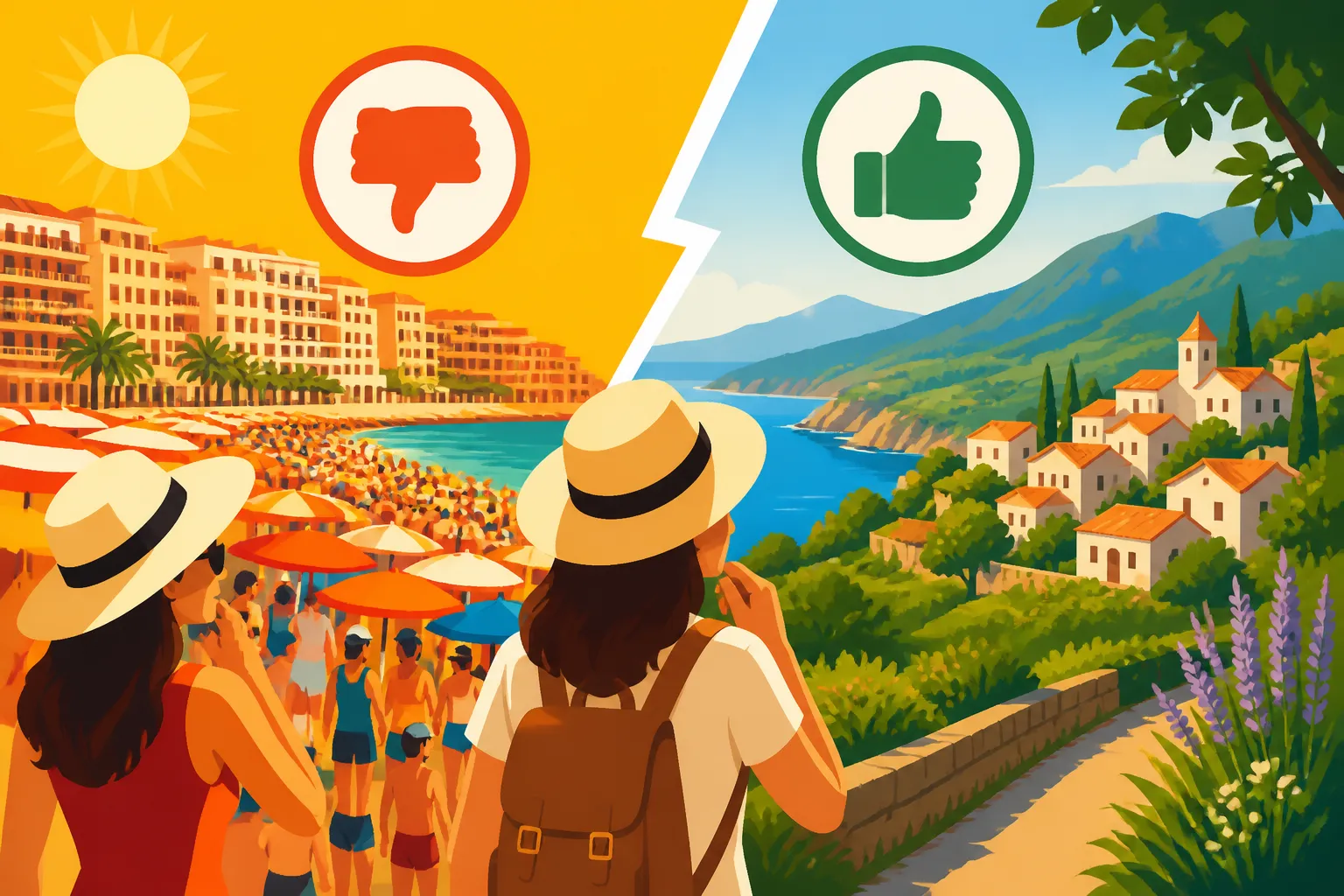
So, if the coastal dream feels out of reach or just not worth the hassle and expense in August, what's a savvy expat or tourist to do? Well, my friend, this is where Spain truly shines with its incredible diversity. There's a whole "other Spain" waiting to be discovered, offering cooler temperatures, fewer crowds, and a more authentic, often more affordable, experience.
Northern Spain: Green Coasts and Mountains
Forget the scorching heat of the south! Northern Spain, often referred to as "Green Spain" (España Verde), offers a completely different climate and landscape during August. Regions like Galicia, Asturias, Cantabria, and the Basque Country boast lush, verdant scenery, dramatic coastlines, and significantly milder temperatures. While the southern coasts swelter, you'll find pleasant, often breezy, weather perfect for outdoor activities.
- Galicia: Picture rugged coastlines, ancient Celtic traditions, incredible seafood, and the misty magic of the Camino de Santiago. You can explore charming fishing villages like Combarro, enjoy the stunning beaches of the Illas Cíes (often called the "Galician Caribbean," though you need to book access in advance!), or savor delicious pulpo a la gallega in Santiago de Compostela. The vibe here is relaxed and authentically Spanish, far from the frantic pace of the Mediterranean crowds. Finding unique guesthouses or traditional pazos (country manors) through Booking.com can lead to some truly memorable stays.
- Asturias & Cantabria: These two regions are a paradise for nature lovers. Think dramatic mountain ranges like the Picos de Europa, pristine beaches nestled between cliffs, and charming towns like Oviedo (Asturias) or Santillana del Mar (Cantabria). You can go Hiking in Spain: Popular Trails and How to Prepare in the mountains in the morning and relax on a quiet beach in the afternoon. The food culture is incredible, too, with Asturian cider and hearty fabada (bean stew) being highlights. Temperatures in August are generally warm but rarely oppressive, making it perfect for exploring.
- Basque Country: Known for its distinct culture, world-class gastronomy, and stunning cities like Bilbao and San Sebastián, the Basque Country is another excellent August alternative. While San Sebastián's La Concha beach can get busy, the city retains an elegant charm, and you can explore its vibrant pintxos scene. Inland, the rolling green hills and picturesque villages offer tranquility. The cooler climate and unique cultural experiences make it a fantastic choice. Booking.com offers a fantastic array of apartments and hotels in these regions, many with competitive rates even in peak season, if you book early enough. You’ll be surprised at the value compared to the southern beaches.
Inland Escapes: Historic Cities and Rural Charm
If mountains and cooler coasts aren't quite your cup of tea, consider diving deep into Spain's rich history and culture by exploring its magnificent inland cities or embracing rural tourism. Yes, central Spain can be hot in August, but these places offer a different rhythm and beauty, often at a fraction of the coastal price.
- Castile and Central Spain: Cities like Salamanca, Segovia, Toledo, and Cáceres are steeped in history and often feel much less crowded in August as many locals have left for the coast. While daytime temperatures can be high, these cities come alive in the cooler evenings. You can wander ancient streets, marvel at architectural wonders, and enjoy long, leisurely dinners outdoors. Imagine exploring the Roman aqueduct of Segovia, the medieval walls of Ávila, or the stunning Plaza Mayor of Salamanca with a fraction of the crowds you'd find on a beach. Day Trips and Weekend Getaways Across Spain can often center around these historical gems. Many of these cities have fantastic paradores (historic hotels) or charming boutique accommodations that you can discover on Booking.com, offering unique experiences that simply aren't available on the coast.
- Aragón, Extremadura, and Inland Andalusia: These regions offer incredible rural tourism opportunities. Think casas rurales (countryside guesthouses), vast natural parks, and villages where time seems to stand still. Extremadura, for example, is a haven for birdwatchers and history buffs, with places like Trujillo and Mérida offering incredible Roman ruins. While the heat is a factor, many casas rurales come with pools, and the slower pace of life means you adapt your schedule to the sun. You’ll find incredible value here, often with delicious, homemade food from your hosts. In areas like the Sierra de Gredos (Castile and León) or the Sierra Nevada (Andalusia, though further from the main coastal hubs), you can find cooler mountain air and stunning landscapes, even in August. These areas are truly off the beaten path for many international tourists, providing a more authentic Spanish experience and the chance to connect with local culture without the overwhelming crowds or prices. Booking.com is particularly good for finding these unique rural accommodations.
Smart Strategies for August Travel in Spain
Even if you choose an alternative destination, or perhaps you still want to dabble in a coastal visit, there are smart ways to approach August travel in Spain. It's all about planning, flexibility, and making informed choices.
Booking Smart and Early
This is hands down the most crucial piece of advice for August travel in Spain: book everything as far in advance as humanly possible. I cannot stress this enough. If you’re eyeing a specific spot, whether it's a coastal villa or a charming boutique hotel in a northern city, start looking six months to a year out, especially if your dates are fixed. Popular options disappear quickly, and what remains will be astronomically priced.
When you use a platform like Booking.com, you'll notice that many accommodations offer flexible cancellation policies. This is your best friend when booking early. Secure your preferred spot and then keep an eye out for better deals or alternative plans as your travel dates approach. You can always adjust if something more appealing comes along. It's also wise to compare various types of accommodation. Maybe a full apartment rental is cheaper than two hotel rooms for your family, or a guesthouse offers better value than a large resort. Booking.com allows you to see all these options side-by-side, helping you make an educated choice. Don't just settle for the first thing you see; invest a little time in research, and you might unearth a fantastic deal that others have missed.
Off-Peak Timing and Flexibility
If your travel dates aren't set in stone, a little flexibility can make a huge difference in August. The absolute peak of the peak season tends to be the first two weeks of August. If you can shift your trip to the last week of August or the very beginning of September, you might find a noticeable drop in both prices and crowds. Many Spanish families start heading back home in the last week of August to prepare for the school year, which opens up some availability.
Consider traveling mid-week instead of weekend-to-weekend. Flights and train tickets are almost always cheaper on Tuesdays, Wednesdays, and Thursdays, and some hotels offer slightly lower rates for mid-week stays. Even a one-day shift can sometimes translate into significant savings. If you're planning a trip to The Balearic Islands: Choosing Between Mallorca, Menorca, and Ibiza, for example, aiming for mid-week travel in late August could make a real difference in cost and crowd levels. The idea is to exploit any small window outside the absolute busiest times. If you are browsing on Booking.com, try adjusting your search dates by just a day or two, or searching for mid-week blocks, and you'll often see the price difference instantly. This small tweak can often unlock better deals and a more pleasant experience overall.
Alternative Accommodation and Transport
Thinking outside the box for where you lay your head and how you get around can also yield significant benefits. Instead of traditional hotels or holiday apartments, explore options like casas rurales (rural houses, often charming and historic), agritourism farms (agroturismos), or even glamping sites, particularly if you're venturing into inland or northern regions. These often provide a more authentic experience and can be considerably cheaper than their coastal counterparts, with the added bonus of beautiful surroundings.
For transport, consider taking the train or bus if you’re traveling between cities, especially if you book well in advance. Public Transport in Spain: Cards, Discounts, and Etiquette can save you money and the hassle of driving and parking, which can be a nightmare in popular coastal towns in August. If you absolutely need a car, consider Renting a Car in Spain: Requirements, Insurance, and Driving Tips from a slightly less central airport or even a large city and driving to your final destination, as airport rental prices can be inflated. Some smaller, local rental companies might also offer better rates than the big international chains, though always check reviews thoroughly. Remember, Booking.com isn't just for hotels; it lists a wide array of alternative accommodations, from quaint guesthouses to entire casas rurales, allowing you to broaden your search and find truly unique stays.
Navigating the Heat: Practical Tips for August
Even if you choose a cooler northern destination, Spain in August is, generally speaking, hot. Southern and central regions can experience intense heatwaves, with temperatures easily soaring above 40°C (104°F). It's crucial to adapt your routine and take precautions to ensure your comfort and safety.
Hydration and Siesta Culture
This is non-negotiable: stay hydrated! Carry a reusable water bottle everywhere you go and refill it frequently. Drink water constantly, even if you don't feel thirsty. Local cafés and bars are generally happy to fill up your bottle for a small fee, or sometimes even for free. Beyond water, consider electrolyte drinks or fresh fruit juices to replenish what you lose through sweating.
Embrace the Spanish rhythm of life during the hottest part of the day, which often involves a siesta. This isn't just a nap; it's a cultural strategy to avoid the brutal midday sun. Most shops and businesses will close between 2 PM and 5 PM, particularly in smaller towns and hotter regions. This is your cue to do the same. Retreat to an air-conditioned space, relax by a pool, or simply enjoy a long, leisurely lunch in the shade. Plan your most strenuous activities for the cooler mornings or evenings. Ignoring this tradition is not only fighting against the local flow but also putting yourself at risk of discomfort or even Heatwaves in Spain: Health Precautions for Expats. Adjusting your meal times is also a good idea; eat lighter, earlier lunches and later dinners when the sun has started to dip.
Planning Activities Around the Sun
Strategic planning of your daily activities is essential. Make the most of the cooler morning hours for sightseeing, walking tours, or outdoor markets. For example, if you're exploring a city like Seville or Córdoba, try to be out and about by 9 AM, enjoying the monuments and attractions before the midday heat hits.
From roughly 1 PM to 6 PM, seek out indoor activities. This is the perfect time for visiting museums, art galleries (like the Prado in Madrid, or the Guggenheim in Bilbao), or enjoying a long, air-conditioned shopping trip. Many larger shopping centers stay open through the afternoon precisely for this reason. As evening approaches, from about 7 PM onwards, the cities come alive again. This is when Spaniards head out for paseos (strolls), tapeos (tapas hopping), and dinner. Enjoy the cooler evening air for leisurely dinners, outdoor concerts, or simply people-watching from a shaded terrace. If you're near water, consider an early morning swim or a late afternoon dip. Many towns have public pools, and natural swimming holes in rivers or reservoirs can offer a refreshing escape. Always ensure you're aware of your surroundings and take appropriate safety precautions, especially when swimming in natural, unsupervised areas. Remember, Staying Safe in Spain: Common-Sense Tips for Travelers applies even more when dealing with extreme heat.
| Feature | Typical Coastal August Experience | Alternative August Experience |
|---|---|---|
| Accommodation Price | Triple or more, low availability | Moderate to high, better availability |
| Crowds | Wall-to-wall, overwhelming | Manageable to peaceful |
| Weather | Hot & humid, heatwave risk | Milder, sometimes breezier |
| Vibe | Bustling, touristy, party-centric | Authentic, relaxed, cultural, nature |
| Activities | Beaches, water parks, nightlife | Hiking, historic sites, gastronomy |
| Booking Window | 6-12 months in advance (essential) | 3-6 months in advance (recommended) |
| Food & Drink | Tourist menus, longer waits | Local, authentic, easier dining |
| Ease of Spontaneity | Very low | Moderate |
Disclaimer
This article is for general informational purposes only and does not constitute professional advice. Laws, prices and regulations vary by location and change over time. Consult a qualified professional for guidance on your specific situation.