Albergues on the Camino: What You Can and Can’t Pre-Book
Disclosure: This article contains affiliate links. If you buy through them, we may earn a commission at no extra cost to you. Read our full disclosure.
Oh, the Camino de Santiago! Just the name evokes images of ancient paths, stunning landscapes, and profound personal journeys. But if you’re planning your first walk, or even your fifth, one question gnaws at every pilgrim: "Where will I sleep tonight?" The unique world of Camino albergues can be a confusing beast, especially when it comes to booking a bed. This guide is here to untangle the myths and realities of pre-booking your accommodation along the Way, helping you find that sweet spot between embracing the pilgrim spirit and ensuring you have a roof over your head, with a special nod to how platforms like Booking.com can be your best friend.
Understanding Albergues on the Camino: Types and Culture
Before we dive into the nitty-gritty of booking, it’s crucial to understand the very heart of Camino accommodation: the albergue. These aren't just hostels; they are dedicated pilgrim lodgings, steeped in tradition and designed to foster community among those walking the Way.
Public vs. Private Albergues
The distinction between public and private albergues is fundamental to understanding your booking options. They both serve pilgrims, but their operations, amenities, and booking policies differ significantly.
Public Albergues (Albergues Municipales or Parroquiales): These are often run by local municipalities, religious orders, or pilgrim associations. They are typically the most basic and affordable option, sometimes costing just a few euros or operating on a donativo (donation) basis.
- Characteristics: Expect large dormitories, often with bunk beds, shared bathrooms, and very simple facilities. Some might have a basic kitchen or a communal dining area, but don't count on luxuries. The emphasis is on functionality and community. These are the places where you'll hear the symphony of snoring, share stories with strangers, and truly feel the communal pulse of the Camino.
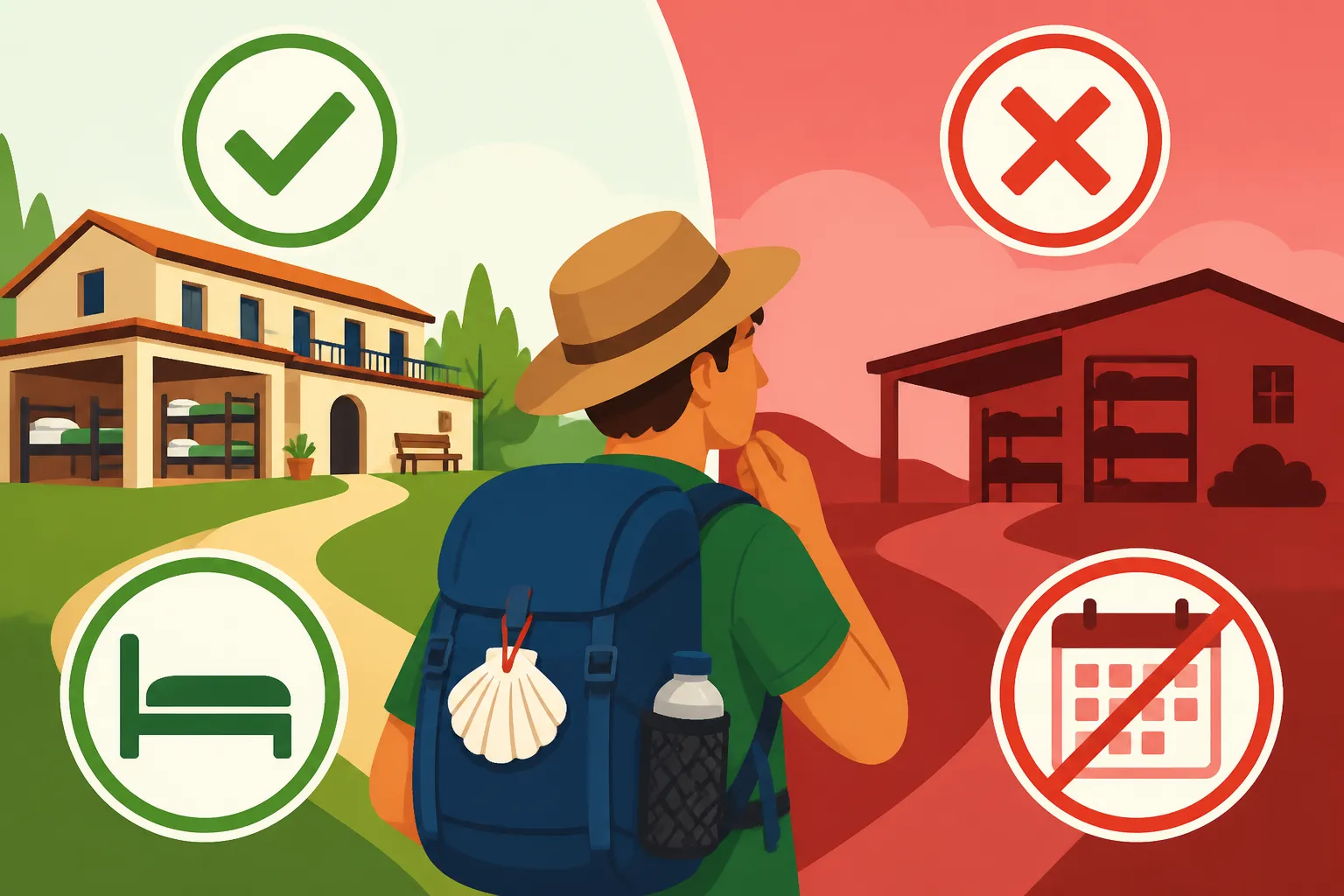
- Availability: Here's the key: public albergues almost universally operate on a strict first-come, first-served basis. You cannot pre-book a bed at a public albergue. The idea is to keep the Camino accessible to everyone, regardless of their planning capabilities, and to encourage pilgrims to walk at their own pace without the pressure of needing to reach a specific point by a certain time. This means if you arrive late in the day, especially during peak season, you might find yourself out of luck.
Private Albergues (Albergues Privados): As the name suggests, these are privately owned and operated. They sprang up to cater to pilgrims seeking a bit more comfort, privacy, or guaranteed accommodation.
- Characteristics: Private albergues usually offer a wider range of amenities. While still predominantly dorm-style, you'll often find smaller dorms, better mattresses, more modern bathrooms, laundry facilities, sometimes even private rooms (though these are often priced more like a standard guesthouse), and on-site cafes or restaurants. They can range from charming, rustic guesthouses to more modern, purpose-built facilities.
- Availability: This is where your pre-booking strategy comes in! Many private albergues do allow pre-booking. This is a game-changer for many pilgrims, particularly those with less flexibility, specific needs, or a strong desire for a guaranteed bed after a long day of walking. You can often book these directly through their websites, by phone, or, most conveniently, through online travel agencies like Booking.com. The costs are naturally higher than public albergues, but still generally very reasonable compared to standard hotels.
The Unwritten Rules and Pilgrim Spirit
The Camino de Santiago is more than just a walk; it's a profound cultural experience, and the albergues are central to that. There’s an unwritten code, a "pilgrim spirit," that dictates much of life on the Way. This spirit values community, sharing, and a certain degree of spontaneity.
- Shared Spaces and Camaraderie: From communal meals to shared bunk beds, albergues are designed for interaction. You’ll find yourself sharing conversations in languages you barely speak, offering aid to fellow pilgrims, and becoming part of a temporary, moving family. This is precisely why the first-come, first-served rule for public albergues persists – it prevents a "race" for beds and forces a certain level of trust in the journey. The spontaneity of it all, not knowing exactly where you'll end up each night, is considered by many to be an integral part of the Camino challenge and reward.
- Validating the Frustration: I get it. The idea of walking 20-30 kilometers and then potentially having no bed can induce serious anxiety, especially for first-time pilgrims or those who aren't solo travelers. It feels counter-intuitive to modern travel planning. This worry is absolutely legitimate. What if you arrive in a small village, exhausted, and every bed is taken? This is a very real concern, particularly on popular routes like the Camino Francés and during peak seasons (Spring and Autumn). However, this very fear is what makes knowing your booking options, especially via platforms like Booking.com, so valuable.
The Realities of Pre-Booking Your Camino Accommodation
So, with the types of albergues clear, let's talk about what you genuinely can, and can't, do when it comes to securing your night's rest on the Camino.
What You Can Pre-Book and Where to Find It
For those who prefer a bit of certainty, especially when nursing blisters or planning around specific dates, the good news is that plenty of options are available for advance booking.
- Private Albergues: Your Booking Sanctuary: This is where the majority of your pre-booking efforts will be concentrated. Private albergues operate more like commercial establishments, and they welcome advance reservations. They understand that not everyone wants to gamble on finding a bed at the end of a long day, and they cater to that need. Many offer online booking directly from their own websites, but for convenience and comparison, nothing beats a comprehensive platform like Booking.com.
- Booking.com to the Rescue: This is truly your best friend for securing private albergues, pensiones, hostales, and even small hotels along the Camino. With Booking.com, you can filter by location, price, type of accommodation, and amenities. You can read reviews from previous pilgrims, which are invaluable for assessing comfort, cleanliness, and atmosphere. This platform allows you to see what's available in specific towns on your route weeks or even months in advance, giving you immense peace of mind. If you're traveling with a group, have specific accessibility needs, or simply crave a private room and en-suite bathroom after days in dorms, Booking.com will show you the range of options.
- Beyond Albergues: Pensiones, Hostales, and Hotels: Along most Camino routes, particularly in larger towns or popular stopping points, you'll also find pensiones (guesthouses), hostales (smaller, family-run hotels, not necessarily hostels with dorms), and conventional hotels. These are almost always bookable in advance, and again, Booking.com is an excellent resource for finding and comparing them. They offer a higher degree of privacy and comfort, often at a slightly higher price point, but can be a welcome treat or a necessary stop for a night of deep, uninterrupted sleep.
- When Pre-Booking Makes Sense:
- Peak Season: If you're walking in April-June or September-October, popular stages can get very busy. Booking ahead for private options is highly advisable to avoid disappointment and extra walking when you're tired.
- Popular Start/End Points: Cities like Saint-Jean-Pied-de-Port, Sarria, or Santiago de Compostela itself will have high demand. Your first night before you start walking and your last night after you finish are often good candidates for a guaranteed reservation.
- Specific Needs: If you have health issues, prefer a private room, or are traveling with children or a larger group, pre-booking private options ensures your needs are met.
- Rest Days: Planning a rest day in a charming town like León or Burgos? Treat yourself to a comfortable private room, easily secured through Booking.com. You can explore the city, enjoy the local cuisine (Spanish Food and Drink: A Practical Culture Guide), and recharge properly.
The Limitations: What You Can't Typically Pre-Book
Now, for the other side of the coin – those places where technology and advance planning won't help you.
- Public Albergues: The True Pilgrim's Lottery: As mentioned, public albergues almost never take reservations. This is a core part of their philosophy. You show up, show your credencial (pilgrim's passport), and if there’s a bed, it’s yours. If not, you move on. This policy is designed to keep the Camino democratic and prevent a booking frenzy.
- The Camino Dance: This limitation creates a unique dynamic on the Camino. Pilgrims often start walking early to secure a bed, leading to a kind of daily "race" to popular albergues. While it can be stressful, it also means that unexpected detours and quick decisions are part of the adventure. It encourages pilgrims to connect with each other, sharing information about bed availability in the next town.
- Small, Unlisted Albergues: Some very small, often family-run or ultra-traditional private albergues might not have an online presence or even a phone number that’s easy for foreigners to call. These are often discovered by word-of-mouth or by simply stumbling upon them. While charming, they are not reliable for pre-booking.
Practical Strategies for Managing Your Stays on the Camino
Navigating accommodation on the Camino successfully means adopting a flexible mindset, combining tradition with modern convenience.
Leveraging Online Platforms for Peace of Mind
For those crucial nights, or simply for a bit of comfort, online platforms are invaluable.
- Booking.com as Your Essential Tool: I cannot stress this enough: Booking.com is your go-to platform for virtually any type of bookable accommodation on the Camino. Whether you're looking for a private albergue with a slightly nicer touch, a cozy pensión, or even a full-blown hotel for a splurge, it's all there.
- How it Works: Open the app or website, input the name of the town you plan to reach, and your desired dates. You'll instantly see a list of available rooms. The filters are incredibly helpful: "free cancellation" is a must-have for the Camino, allowing flexibility if your walking plans change. You can sort by price, review score, distance from the Camino path, or specific amenities like laundry, private bathrooms, or breakfast.
- Reading Reviews: Pay close attention to reviews, especially from other pilgrims. They often mention whether an albergue is noisy, if the beds are comfortable, or if the hospitality is exceptional. These insights are gold.
- Scenario: Imagine you've planned a particularly long or challenging stage to a specific town, and you know you'll be exhausted. Before you even set out for Spain, or even the morning of that stage, you can hop onto Booking.com, find a well-reviewed private albergue or a hostal in that town, and book your bed. Knowing that a comfortable, guaranteed bed awaits you can significantly reduce stress and enhance your enjoyment of the walk. This takes away the anxiety of the "Camino race" for that particular day.
- Money Matters: While prices vary, Booking.com gives you transparent pricing upfront, which helps you budget for your trip. Remember to factor in your overall Cost of Living in Spain: Realistic Budgets and Savings Tips as a pilgrim.
Balancing Spontaneity with Security
The ideal Camino experience for many often involves a blend of planned security and open-ended adventure.
- Strategic Pre-Booking:
- First and Last Nights: Always book your first night (e.g., in Saint-Jean-Pied-de-Port or Sarria) and your last night (in Santiago) in advance. These are high-demand areas.
- Rest Day Rewards: If you're taking a rest day, booking a private room via Booking.com for that night is a wonderful way to recover.
- Tough Stages: For stages that are notoriously long, uphill, or challenging, or end in very small villages with limited accommodation, pre-booking a private option can be a smart move.
- Travel Periods: Around Public Holidays in Spain: How They Affect Travel and Opening Hours, demand for all types of accommodation can surge.
- Embracing Spontaneity: For all other days, embrace the pilgrim way! Wake up, walk, and see where the path takes you. If you're keen on public albergues, start early. If you arrive mid-afternoon and see a long queue or "completo" signs, then pull out your phone.
- Last-Minute Saves: Even if you haven't booked, many private albergues will have last-minute availability. A quick search on Booking.com can often save the day if the public options are full. Many places also have numbers to call, so having Mobile Data and eSIMs for Travel in Spain is incredibly useful.
- Flexibility is Key: The Camino teaches flexibility. Your planned destination for the day might change due to weather, blisters, or a new friend you want to walk with. If you've booked everything rigid, you lose that flexibility. Platforms like Booking.com often offer flexible cancellation, allowing you to adapt if your plans shift.
Alternatives to Traditional Albergues
While albergues are the quintessential Camino experience, it's good to know your other options.
- Guesthouses (Pensiones, Hostales): These are smaller, family-run establishments offering private rooms, typically with en-suite bathrooms. They provide more comfort and privacy than an albergue dorm and are widely available for booking on Booking.com. They are an excellent middle-ground option if you want a guaranteed private space but don't need a full-service hotel. Many of these cater specifically to pilgrims and are located right on the Camino route.
- Rural Houses (Casas Rurales): In more rural areas, especially on less popular routes or outside of main towns, you might find casas rurales. These are often charming, restored country homes, offering a unique, tranquil stay. They usually provide private rooms and a taste of local life. Again, Booking.com is a great place to find these hidden gems.
- Hotels: In larger cities and towns along the Camino, full-service hotels are an option if your budget allows for more luxury. These offer all the amenities you'd expect and are, of course, fully bookable in advance, making Booking.com a reliable choice. While not the traditional pilgrim experience, sometimes a little luxury is exactly what you need to recharge.
| Accommodation Type | Typically Pre-Bookable? | Typical Cost (per night) | Amenities/Experience | Best for: |
|---|---|---|---|---|
| Public Albergue | No | Very Low (e.g., €5-€10) | Large dorms, shared basic bathrooms, communal atmosphere, often run by volunteers. Focus on simplicity, community, and the core pilgrim experience. First-come, first-served. | Pilgrims seeking the traditional, communal experience; budget travelers; those who embrace spontaneity. |
| Private Albergue | Yes (often on Booking.com) | Low-Mid (e.g., €12-€25) | Smaller dorms, sometimes private rooms, better mattresses, more modern/plentiful bathrooms, laundry, on-site cafes. Mix of pilgrim community and added comfort. Can be booked directly or via platforms like Booking.com. | Pilgrims wanting guaranteed beds, a bit more comfort, or a mix of community and privacy. Ideal for groups, or during peak season when public albergues fill quickly. |
| Pensió/Hostal | Yes (often on Booking.com) | Mid (e.g., €30-€60 for private room) | Private rooms with en-suite bathrooms, often family-run, cleaner, quieter, more personalized service. No shared dorms. Still often cater to pilgrims. Can be booked through Booking.com. | Pilgrims desiring full privacy, quiet, or special needs. Good for couples or those needing a proper rest day. Excellent for strategic bookings in specific towns. |
| Casa Rural | Yes (often on Booking.com) | Mid-High (e.g., €40-€80+) | Charming country houses, usually in rural settings. Private rooms, unique decor, often excellent local food. More of a "local experience" feel than a standard hotel. Booking via Booking.com is common. | Pilgrims looking for a unique, tranquil stay off the main bustling route, or those wanting to experience rural Spanish charm. Perfect for rest days or a special treat. |
| Hotel | Yes (always on Booking.com) | High (e.g., €60-€150+) | Full services, private rooms, varied amenities (restaurants, pools, etc.). Standard hotel experience. Easily booked via Booking.com. | Pilgrims prioritizing luxury, extensive amenities, or those in larger cities at the start or end of their journey. Also useful if you are joining the Camino at a later point and flying into a major city (check Traveling Around Spain: Trains, Buses, Flights, and Car Hire). |
The Camino is a journey of discovery, both outward and inward. While the romantic ideal of simply walking and trusting the Way is beautiful, the practical reality for many modern pilgrims benefits from a thoughtful blend of spontaneity and strategic planning. Using platforms like Booking.com allows you to secure those essential, comfortable stays in private albergues, guesthouses, or hotels, ensuring you have the energy and peace of mind to fully embrace the magic of the Camino when you step out each morning. Buen Camino!
Disclaimer
This article is for general informational purposes only and does not constitute professional advice. Laws, prices and regulations vary by location and change over time. Consult a qualified professional for guidance on your specific situation.