Cheapest Flights to the Canary Islands: Airlines, Booking Windows, and Baggage
Oh, the Canary Islands! Just the name conjures images of endless sunshine, volcanic landscapes, and those glorious, black sand beaches. For many of us living on the Spanish mainland, a trip to the Canaries feels like the ultimate escape, a year-round paradise. But let's be real, the dream can quickly turn into a headache when you start looking at flight prices, especially if you're trying to find a deal that doesn't break the bank. Navigating the airlines, knowing when to book, and avoiding those sneaky extra charges can feel like a full-time job. This guide is here to cut through the confusion and help you snag the cheapest flights to the Canary Islands, making your island getaway a reality without the financial stress. We'll dive into the best strategies, look at who flies where, and show you how handy tools like Omio can be your best friend in this quest.
Disclosure: This post may contain affiliate links. We may earn a commission at no extra cost to you if you make a purchase through these links. Read full disclosure.
The Allure of the Canaries and the Challenge of Affordable Flights
The Canary Islands, perched off the coast of Africa, hold a special place in the hearts of expats and tourists alike. They offer a completely different vibe from mainland Spain, with their unique microclimates, dramatic volcanic terrains, and a promise of warmth even in the depths of winter. Whether you're dreaming of the bustling beaches of Tenerife, the rugged beauty of Fuerteventura, the lunar landscapes of Lanzarote, or the tranquil forests of La Palma, there's an island for everyone. But getting there from the peninsula can often feel like an expensive undertaking, especially if you're not savvy with your flight searches.
Why Canaries Flights Feel Pricey
It's not your imagination; flights to the Canary Islands can indeed feel a bit steeper than, say, a quick hop from Madrid to Barcelona. There are a few reasons for this. Firstly, it's an archipelago, meaning you're almost always flying over water, and the flight duration is longer than many domestic mainland routes, often ranging from 2.5 to 4 hours depending on your departure point. Secondly, the demand is incredibly high, especially during peak seasons like school holidays, Christmas, and the European winter months when everyone is desperate for some vitamin D. The islands are also a popular destination for Europeans, which means airlines often price for an international market, not just a domestic one.
Understanding the "Sweet Spot" for Savings
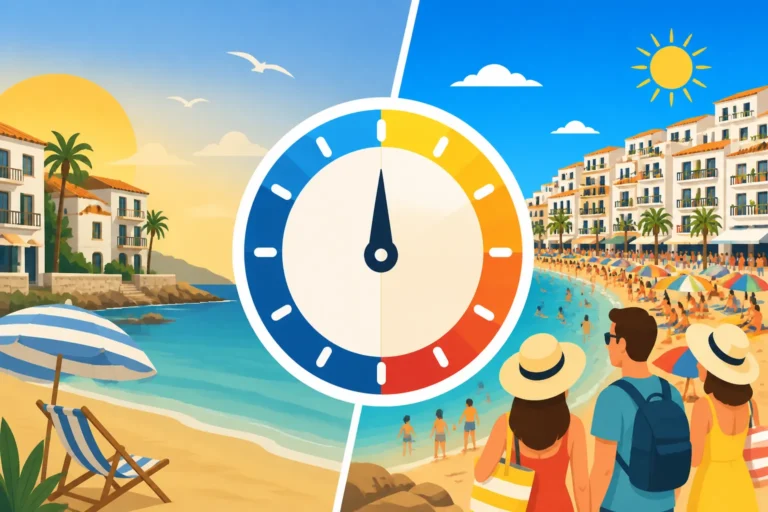
Finding a cheap flight isn't just about stumbling upon a random deal; it's often about strategy and timing. Think of it as a game of chess against the airline pricing algorithms. There's a delicate balance between booking too early (when prices can be high because demand hasn't solidified) and booking too late (when only the most expensive seats are left). The "sweet spot" varies, but generally, being flexible with your travel dates and knowing when to hit that "buy" button is paramount. We're talking about looking beyond just the ticket price to the total cost, including those notorious baggage fees, because that's where the real savings can often be found, or lost!
Major Airlines Serving the Canary Islands Routes
When you're looking for flights to the Canaries, you'll quickly realize that a few key players dominate the routes from mainland Spain. These airlines vary in their pricing models, baggage policies, and the specific airports they serve. Knowing their quirks can save you a pretty penny. It's always a good idea to cast a wide net with your search, and a tool like Omio is fantastic for pulling together all these different airline options into one clear view.
Budget Airlines: Ryanair, Vueling, and EasyJet
These are usually your go-to options if you're strictly looking for the lowest possible fare. However, they come with a caveat: be prepared to pay extra for virtually everything beyond a small personal item.
- Ryanair: Love them or hate them, Ryanair often offers the most competitive base fares. They fly from numerous Spanish airports like Madrid (Adolfo Suárez Madrid-Barajas Airport), Barcelona (Josep Tarradellas Barcelona-El Prat Airport), Valencia, Seville, Málaga, and Santiago de Compostela to various Canary Island airports, including Tenerife South (Reina Sofía), Gran Canaria, Lanzarote, and Fuerteventura. Their baggage policy is notoriously strict; if you need more than a small personal bag (which usually fits under the seat), you'll pay for it. Always check their specific route network as it can change seasonally.
- Vueling: This is a Spanish low-cost carrier, part of the IAG group (along with Iberia and British Airways). Vueling also operates extensively from major mainland hubs like Barcelona and Madrid, offering flights to most of the main Canary Islands. They tend to have a slightly more "mainstream" feel than Ryanair, but their baggage policies are very similar. Expect to pay for carry-on cabin bags and checked luggage. They often have good sales, so keep an eye out.
- EasyJet: While not as dominant on intra-Spain routes as Ryanair or Vueling, EasyJet does offer a decent number of flights from key mainland cities, especially to Tenerife and Gran Canaria. Their model is similar to the others: low base fare, extras for baggage. It's worth checking their prices, particularly if you're flexible with your departure airport.
Full-Service Carriers: Iberia Express and Air Europa
While budget airlines are often the cheapest upfront, sometimes full-service carriers, especially their low-cost subsidiaries, can surprise you with competitive prices, particularly if you factor in baggage.
- Iberia Express: This is Iberia's low-cost arm, specifically designed for short and medium-haul routes, including the Canary Islands. They operate primarily from Madrid to all the major Canary Islands. Sometimes, if you're flying from Madrid, their prices can be very competitive, and their basic fare might even include a small carry-on bag in the overhead locker, unlike some budget airlines. Always double-check what's included in your specific fare type.
- Air Europa: Another Spanish airline, Air Europa also serves the Canary Islands from several mainland cities, mainly Madrid. They often position themselves between full-service and low-cost, offering decent service and sometimes including more in their basic fares. It’s definitely worth comparing their prices, especially if you have specific travel dates or need a larger carry-on.
Pro Tip: Don't just look at the lowest number you see! Use Omio to compare not only the base fares but also to quickly see what's included (or not) with each airline's different fare classes. Sometimes paying a little more upfront for a fare that includes a cabin bag can actually work out cheaper than adding it à la carte with a budget airline later.
| Airline | Primary Hubs (Mainland Spain) | Main Canary Island Destinations | Typical Base Fare Inclusions (check always) |
|---|---|---|---|
| Ryanair | Madrid, Barcelona, Valencia, Seville, Málaga | Tenerife South, Gran Canaria, Lanzarote, Fuerteventura, La Palma | Small personal bag (under seat) |
| Vueling | Barcelona, Madrid | Tenerife North/South, Gran Canaria, Lanzarote, Fuerteventura, La Palma, La Gomera | Small personal bag (under seat) |
| EasyJet | Madrid, Barcelona | Tenerife South, Gran Canaria, Fuerteventura, Lanzarote | Small personal bag (under seat) |
| Iberia Express | Madrid | Tenerife North/South, Gran Canaria, Lanzarote, Fuerteventura, La Palma, El Hierro, La Gomera | Small personal bag + potentially carry-on cabin bag (fare dependent) |
| Air Europa | Madrid | Tenerife North/South, Gran Canaria, Lanzarote, Fuerteventura, La Palma | Small personal bag + potentially carry-on cabin bag (fare dependent) |
This table provides general inclusions. Always verify current baggage policies directly on the airline's website when booking, as these can change frequently.
Booking Windows and Flexibility: Your Best Allies
Timing is everything when it comes to snagging those elusive cheap flights. It's a bit like trying to catch a wave; you need to paddle out at the right moment. The airlines use complex algorithms that adjust prices based on demand, seasonality, and even the day of the week you search or fly. Being flexible is your superpower here.
The Golden Booking Window
General wisdom suggests that the "golden booking window" for European flights, including those to the Canary Islands, is often 2-4 months in advance. This sweet spot allows airlines to start filling seats without the desperate urgency that pushes prices up closer to departure. However, this is a guideline, not a strict rule. For popular times like Christmas, Easter, or the peak summer holidays (July-August), you might need to stretch that window to 5-6 months, or even earlier, especially if you're tied to specific dates.
On the flip side, sometimes a last-minute deal pops up if an airline needs to fill a few remaining seats, but this is a gamble and shouldn't be relied upon, particularly if you have a specific destination or date in mind. For the Canaries, this is even less likely due to consistent demand. Instead of blindly guessing, use comparison tools. Omio allows you to easily compare flight prices across different airlines and dates, helping you spot trends and the best booking opportunities.
Harnessing the Power of Flexibility
This is arguably the most impactful factor in finding cheap flights. If you can bend a little on your travel dates or even your destination island, you unlock a world of potential savings.
- Mid-week travel: Flying out on a Tuesday or Wednesday and returning on a Tuesday or Wednesday is almost always cheaper than flying on a Friday, Saturday, or Sunday. Weekends are prime travel time, and airlines know it.
- Shoulder seasons: Instead of rigid summer or winter peak times, consider the shoulder seasons: late spring (April-May) or early autumn (September-October). The weather in the Canaries is still glorious, the crowds are thinner, and critically, the flight prices tend to dip.
- Specific dates and events: Be aware of major Spanish national holidays, local fiestas in the Canaries (like Carnaval), and school holidays. Prices will inevitably skyrocket during these periods. If you can avoid them, do.
- Flying into different airports: Some islands have two airports (Tenerife North, Tenerife South; Gran Canaria is just one, but others are single). While less common for the Canaries, sometimes flying into a less popular airport or even an adjacent island (e.g., flying to Fuerteventura and taking a ferry to Lanzarote) can shave off some costs. Omio lets you easily check flights to different Canary Island airports, making this comparison straightforward.
By being savvy about these factors and using comparison platforms, you're not just hoping for a cheap flight; you're strategically increasing your chances of finding one.
Baggage Policies and Hidden Costs: Don't Get Caught Out!
Ah, baggage. The bane of many an expat's existence when flying budget airlines. What starts as a "cheap" flight can quickly become anything but if you're not meticulous about understanding baggage policies before you click "confirm." These are the sneaky hidden costs that can inflate your travel budget significantly.
Understanding Basic Fare Inclusions
Most budget airlines, like Ryanair and Vueling, have a standard "basic" or "hand luggage only" fare. This typically only includes a small personal item that must fit under the seat in front of you. We're talking a small backpack, a laptop bag, or a handbag. Crucially, it's not a standard cabin suitcase that goes in the overhead locker. If you turn up at the gate with a bag bigger than their specified dimensions, you will face hefty penalty fees, often costing more than the original flight itself.
Before you book, seriously consider what you need. Are you going for a quick weekend trip to Gran Canaria with minimal clothing? Then the basic fare might be perfect. But if you're heading to Fuerteventura for a week-long surf trip with a wetsuit and plenty of clothes, you'll need to factor in additional baggage costs from the get-go.
The Minefield of Carry-On vs. Checked Baggage
Here's where it gets complicated:
- Carry-on cabin bags: Many budget airlines now charge for these. If you want a small suitcase (e.g., 10kg, 55x40x20 cm) in the overhead locker, you'll likely need to purchase an "upgraded" fare or add it as an extra. This usually guarantees you can bring it into the cabin.
- Checked baggage: If your trip requires more luggage, you'll need to pay for checked bags (e.g., 15kg or 20kg). These are typically cheaper to add online during the booking process than at the airport.
- Weight limits: Be scrupulous with weight limits. Overweight bags, even by a kilo or two, often incur additional charges. Invest in a small luggage scale if you travel frequently.
Always, always check the specific baggage policy of the airline you're considering before you book. Each airline has slightly different dimensions and weight limits. When using Omio to compare flights, once you select a flight, it will usually direct you to the airline's website where you can review the specific fare rules and add baggage options. Factor these costs into your total price comparison. It's often the case that a slightly more expensive base fare with an airline that includes a cabin bag (like sometimes with Iberia Express or Air Europa) ends up being cheaper than a super low base fare from a budget airline where you have to add multiple extras.
Smart Strategies for Finding the Absolute Cheapest Flights
Beyond knowing the airlines and understanding baggage, there are proactive strategies you can employ to consistently find better deals to the Canary Islands. It’s all about being a savvy searcher and utilizing the right tools.
Be Flexible with Your Departure and Arrival Airports
We've touched on flexibility with dates, but equally important is flexibility with airports.
- Mainland Departure: While Madrid and Barcelona are the major hubs, don't overlook other Spanish airports like Seville, Málaga, Valencia, or even smaller regional airports if they're accessible to you. Sometimes, a less direct route from a smaller airport can be surprisingly cheaper. For instance, flying from Seville to Gran Canaria might be less expensive on certain days than from Madrid, even if Seville isn't your closest airport. Use Omio to easily search for flights from "Spain" (or multiple specific cities) to "Canary Islands" and let it show you all the combinations.
- Canary Island Arrival: The Canaries have several airports: Tenerife South (TFS) and Tenerife North (TFN), Gran Canaria (LPA), Lanzarote (ACE), Fuerteventura (FUE), La Palma (SPC), El Hierro (VDE), and La Gomera (GMZ). Most international flights land in TFS, LPA, ACE, or FUE. While direct flights to the smaller islands like El Hierro or La Gomera are less common and often require a connection through Tenerife North or Gran Canaria, sometimes flying into a larger island and taking an internal flight or ferry is your cheapest option. For example, if flights to La Palma are steep, consider flying to Tenerife North and then taking a short connecting flight with Binter Canarias or a ferry.
Leverage Flight Comparison Platforms
This is where the magic happens. Trying to check every airline's website individually for every date and airport combination is a nightmare. This is exactly what flight comparison platforms are for.
-
Omio as Your Navigator: This platform is a fantastic resource because it doesn't just show you flights; it shows you buses and trains too, which, while not relevant for to the Canary Islands, is incredibly useful for other travel. For flights, Omio allows you to compare prices across a huge range of airlines, including all the budget and full-service carriers mentioned earlier. Its interface makes it easy to:
- Compare flexible dates: Often, you can see a calendar view or "cheapest month" option to quickly identify the most affordable days to fly.
- Mix and match airlines: Sometimes flying out with one airline and back with another yields the best price.
- Filter by stops, times, and airports: This helps you narrow down options to what truly suits your needs and budget.
- Discover unexpected routes: You might find a slightly longer but significantly cheaper route you hadn't considered.
When looking for your Canary Island escape, definitely start your search on Omio to get a comprehensive overview of your options.
-
Other Platforms: While Omio is brilliant for its multi-modal comparison, other popular flight search engines like Skyscanner, Google Flights, and Kayak are also excellent for comparing airfares. They often have features like "everywhere" searches or price alerts that can be useful. The key is to check a few different platforms because sometimes they have slightly different inventory or pricing.
Be Smart About When You Search and Book
The time of day and day of the week you perform your search can also subtly influence prices, though to a lesser extent than booking windows.
- Clear your cookies: Airlines and travel sites sometimes use cookies to track your interest in a particular route, potentially showing you higher prices on subsequent searches. Clear your browser cookies or use incognito/private browsing mode.
- Search off-peak hours: Some suggest searching for flights during off-peak hours (e.g., late at night or very early morning) when fewer people are booking, though the impact of this is debated.
- Set price alerts: Many comparison websites, including those accessible through Omio's search process, allow you to set up email alerts for specific routes. You'll get a notification if the price drops, taking the legwork out of constant checking. This is especially useful if you're looking several months out for specific dates.
By combining these smart strategies, you'll be well-equipped to navigate the complex world of flight pricing and land yourself a fantastic deal to the Canary Islands.
Maximizing Value Beyond the Ticket Price
Getting a cheap flight is only one part of the equation for an affordable Canary Islands trip. To truly make your budget stretch, you need to think holistically about your travel choices once you're on the ground.
On-Island Transportation: Buses, Taxis, and Car Hire
Once you've touched down on one of the stunning Canary Islands, how you get around can significantly impact your total spend.
- Public Buses (Guaguas): Most of the larger islands (Tenerife, Gran Canaria, Lanzarote, Fuerteventura) have excellent and affordable public bus networks, often called "guaguas." For instance, in Tenerife, Titsa buses connect the airports with major towns and resorts like Santa Cruz, Puerto de la Cruz, and the southern tourist zones. In Gran Canaria, Global buses cover the island extensively. Fares are reasonable, especially if you get a multi-journey card (like the Ten+ card in Tenerife). This is almost always the cheapest way to get from the airport to your accommodation.
- Taxis: Taxis are readily available at airports but are, of course, a pricier option. They are convenient if you have lots of luggage or are traveling in a group that can split the fare. Always ensure the meter is running or agree on a price beforehand, especially for longer journeys.
- Car Hire: Renting a car offers incredible freedom to explore the islands' hidden gems, from remote beaches to volcanic trails. This can be cost-effective if you plan to do a lot of sightseeing and split the cost among travel companions. Prices vary wildly by season and how far in advance you book. Always ensure you understand the insurance options and fuel policy. Some reliable local companies include Cicar (especially popular in the Canaries) and Plus Car, which often include full insurance with no excess. Remember, for broader travel logistics, our guide on Renting a Car in Spain: Requirements, Insurance, and Driving Tips might come in handy.
Accommodation Choices: Hotels, Apartments, and Rural Stays
Your choice of lodging will be a major determinant of your trip's cost. The Canaries offer a spectrum of options.
- Hotels: From budget-friendly hostels to sprawling all-inclusive resorts, hotels are plentiful. Booking well in advance, especially during peak season, can secure better rates. Look for deals on popular booking sites.
- Self-Catering Apartments: Often a fantastic option for families or longer stays, apartments with kitchens allow you to save money by cooking some of your meals. Many are available through Airbnb, Booking.com, or local rental agencies.
- Rural Houses (Casas Rurales): For a more authentic and often more tranquil experience, consider a rural house, especially on islands like La Palma or El Hierro. These can sometimes offer great value, particularly outside the main tourist zones.
Food and Drink: Eating Like a Local
One of the joys of Spain is its food culture, and the Canaries are no exception. You don't have to break the bank to eat well.
- Supermarkets: Shop at local supermarkets (Mercadona, HiperDino, Lidl,Spar) to stock up on essentials, snacks, and ingredients if you have self-catering accommodation.
- Menus del Día: For lunch, look for "Menú del Día" (menu of the day) in local restaurants. These are fixed-price, multi-course meals (usually starter, main, dessert, drink) offering incredible value, typically ranging from €10-€15.
- Local Bars and Tascas: Venture away from the main tourist strips to find authentic tascas (small taverns) or local bars. You'll often find delicious, inexpensive local specialties, and maybe even some papas arrugadas con mojo (wrinkled potatoes with sauce) that will blow your mind. For more on the local cuisine, check out our piece on Spanish Food and Drink: A Practical Culture Guide.
Remember, traveling to the Canary Islands doesn't have to be an extravagant affair. With a bit of planning and smart choices, you can enjoy these beautiful islands without draining your bank account. And don't forget, whether you're planning your flights, or considering other transport options once you're there, Omio is a great tool for comparing your travel choices and saving money.
Inter-Island Travel: Connecting the Archipelago
Once you've landed on one Canary Island, you might get the itch to explore another. Each island has its own unique charm, and connecting between them is surprisingly easy, often making a multi-island adventure a very feasible and enriching experience.
Internal Flights: Quickest Way Between Islands
For speed and convenience, especially between the larger islands, internal flights are your best bet.
- Binter Canarias and Canaryfly: These are the two main inter-island airlines. They offer frequent connections between Tenerife (both North and South airports), Gran Canaria, Lanzarote, Fuerteventura, La Palma, El Hierro, and La Gomera. Flights are typically short, often just 20-45 minutes.
- Booking Tips:
- Book in advance: Just like mainland flights, booking internal flights well ahead of time can secure better prices, especially for popular routes and times.
- Resident discounts: If you become a legal resident of the Canary Islands, you'll be eligible for significant resident discounts (around 75%) on inter-island flights, which makes hopping between them incredibly cheap! This doesn't apply to general Spanish residents, only Canary Island residents.
- Factor in airport transfers: Remember to account for the time and cost of getting to and from the smaller airports.
Ferries: A Scenic and Relaxing Alternative
For a more leisurely journey, or to reach La Graciosa, which has no airport, ferries are an excellent choice. They also allow you to bring a car, which is a huge bonus if you're planning an island road trip.
- Main Operators: The primary ferry companies are Fred. Olsen Express and Naviera Armas. Both offer comfortable vessels, often with cafes, shops, and outdoor decks to enjoy the sea views.
- Key Routes:
- Tenerife ↔ La Gomera: A very popular route, with many expats taking a day trip from Tenerife South to La Gomera's stunning Garajonay National Park.
- Fuerteventura ↔ Lanzarote: A short hop, perfect for combining these two islands with their distinct volcanic landscapes.
- Gran Canaria ↔ Tenerife: Frequent connections between the two largest islands.
- Lanzarote ↔ La Graciosa: The only way to reach the car-free paradise of La Graciosa.
- Booking and Benefits:
- You can book ferry tickets online directly with the companies or through comparison platforms.
- Ferries offer the chance to see marine life, enjoy the sea breeze, and avoid airport hassles.
- They are ideal if you're traveling with a car, allowing you to seamlessly continue your exploration on the next island.
If you're mapping out your journey, remember that Omio is incredibly useful here too, as it can often show you ferry options alongside flights when planning your inter-island connections, helping you compare speed vs. cost vs. experience. For more on wider travel across Spain, our guide Traveling Around Spain: Trains, Buses, Flights, and Car Hire covers all modes.
The Best Time to Visit and Maximize Savings
The Canary Islands are famous for their "eternal spring" climate, making them a year-round destination. However, certain times offer better deals and fewer crowds, aligning perfectly with our mission to find those cheapest flights.
Seasons in the Canaries: Weather vs. Prices
While the weather is generally pleasant year-round, there are subtle differences in climate and, more importantly, in tourist seasons that directly impact flight and accommodation prices.
-
Peak Season (Winter: December to February & Summer: July to August):
- Winter: This is prime time for Northern Europeans escaping the cold. Expect higher prices for flights and accommodation, especially around Christmas, New Year, and school half-term breaks. The weather is warm and sunny, but certainly not scorching.
- Summer: July and August see an influx of Spanish and other European families on their main summer holidays. Prices will be elevated, and attractions will be busier. The weather can be hot, especially in the interior of the islands.
- Savings Tip: If you must travel during these times, book very far in advance (6+ months) and be flexible with your exact dates if possible. Use Omio to track prices well ahead of time.
-
Shoulder Seasons (Spring: March to June & Autumn: September to November):
- This is often the best time to visit for a balance of excellent weather, fewer crowds, and more affordable prices.
- Spring: Temperatures are warming up, flowers are blooming (especially on the greener islands), and the days are long. It's perfect for hiking, beach days, and exploring.
- Autumn: The ocean is at its warmest, making it ideal for swimming and water sports. The summer crowds have dissipated, and the scorching heat has mellowed.
- Savings Tip: This is your sweet spot for finding cheaper flights and good deals on accommodation. Flexibility with your exact travel dates within these months will yield the best results.
Avoiding Peak Events and Holidays
Beyond general seasonality, specific events and holidays can cause price surges.
- Carnaval: The Canary Islands, particularly Tenerife (Santa Cruz de Tenerife) and Gran Canaria (Las Palmas de Gran Canaria), host some of the most spectacular Carnival celebrations in the world, usually in February or March. If you want to experience this, book extremely far in advance. If not, avoid flying during this period.
- Semana Santa (Easter Week): Being a deeply Catholic country, Spain celebrates Easter with solemn processions and holidays. While not as massive in the Canaries as in Andalusia, it's still a popular travel time for Spanish families, leading to higher prices. Our guide to Semana Santa in Spain: What to Expect as a Visitor has more details.
- Local Fiestas: Each island and even individual town will have its own fiestas. While often charming to witness, they can mean temporary price hikes or limited availability in specific areas. A quick online search for "fiestas [island name] [month]" can help you identify these.
By strategically planning your visit around these seasonal and event-based fluctuations, you can dramatically improve your chances of securing those coveted cheap flights to the Canary Islands, allowing you to enjoy this magnificent archipelago without overspending.
Disclaimer
Please note that travel information, including airline routes, prices, baggage policies, and visa requirements, can change frequently. While we strive to provide the most accurate and up-to-date advice, it's crucial to verify all details directly with airlines, booking platforms like Omio, and relevant authorities before making any travel arrangements. This guide is for informational purposes only and does not constitute professional advice.