What to Pack for a Beach Trip in Southern Spain
Oh, the sheer delight of planning a beach trip to Southern Spain! The thought of those sun-drenched costas, the gentle lapping of the Mediterranean, or the bracing Atlantic breezes… it's pure magic, isn't it? But before you can dive headfirst into that azure water, there's the all-important task of packing. And trust me, as someone who's made my fair share of packing blunders in this beautiful country, knowing what to tuck into your suitcase can make all the difference between a blissful escape and a sun-scorched, gadget-free nightmare. This guide is here to walk you through exactly what you need to pack to ensure your Southern Spain beach adventure is nothing short of spectacular.
Disclosure: This post may contain affiliate links. We may earn a commission at no extra cost to you if you make a purchase through these links. Read full disclosure.
Navigating the Southern Spanish Climate and Sun
Southern Spain, particularly regions like Andalusia, boasts some seriously glorious weather. However, that glorious sun can be a double-edged sword if you're not prepared. Understanding the local climate is your first step to smart packing.
Understanding the Intense Sun
Let's be real: the sun in Southern Spain isn't just "sunny"; it's an absolute powerhouse, especially from late spring through early autumn. The UV index can soar, hitting extreme levels during peak summer months, often reaching 10 or 11. By evening, she resembled a cooked prawn, severely sunburnt and utterly miserable. Don't be that person!
You absolutely need a high SPF, broad-spectrum sunscreen (think SPF 30 or higher, with 50+ being even better). Opt for formulas that are water-resistant, because you'll be sweating, swimming, and likely rinsing off that sea salt. And please, please, reapply it religiously, especially after every dip in the sea or pool. Don't forget often-missed spots like the tops of your feet, your ears, and your scalp (a good hat helps here, too!). Even on cloudy days, those UV rays are doing their sneaky work, so maintain your sunscreen routine.
The Heat and Hydration
When I say Southern Spain gets hot, I mean hot. July and August can see daily temperatures routinely climb into the high 30s Celsius (that's pushing 100 degrees Fahrenheit!), especially inland, though coastal breezes offer some respite. Staying hydrated isn't just about sipping water; it's about being proactive. Dehydration can creep up on you, leading to headaches, fatigue, and generally zapping your holiday joy.
Invest in a good quality, insulated reusable water bottle. Brands like Klean Kanteen or Hydro Flask are fantastic for keeping your water ice-cold for hours, even under the fierce Spanish sun. Many beach bars and chiringuitos will be happy to refill your bottle, and you'll find public fountains in towns. Consider bringing some rehydration sachets or electrolyte tablets, especially if you plan on active days or find yourself sweating a lot. Staying cool also means seeking shade during the midday hours (typically 1 PM to 4 PM is when the sun is at its most intense) and opting for lighter, looser clothing made of breathable fabrics like cotton or linen. For more on staying safe during the warmer months, you might want to check out our guide on Heatwave Safety in Spain: Practical Tips for Expats.
Unexpected Weather Changes
While Southern Spain is famous for its consistent sunshine, don't assume every single moment will be scorching hot and perfectly calm. Even in summer, evenings can bring a surprising chill, especially if there's a breeze coming off the sea. I've been caught out many times, shivering on a terrace when I expected balmy warmth. A light jacket, a cardigan, or a stylish shawl is a lifesaver for those cooler evenings or even for air-conditioned indoor spaces.
Occasionally, you might also experience a quick summer shower, though these are generally brief and refreshing. Don't worry about heavy rain gear, but a lightweight, packable windbreaker can be handy for both an unexpected breeze and a light sprinkle. A simple rule of thumb: pack layers, even for a summer beach holiday, just in case.
Beach Essentials Beyond Sunscreen
Now that we've covered the climate, let's talk about the absolute must-haves for maximum comfort and enjoyment directly on the sand.
Swimwear and Beach Attire
This might seem obvious, but it's worth a thoughtful approach. You'll want at least two, if not three, swimsuits. Why? Because you'll want one to dry while you're wearing another, especially if you're swimming multiple times a day. Quick-drying fabrics are a godsend. For men, board shorts or swimming trunks are common. For women, bikinis, tankinis, and one-piece suits are all perfectly acceptable.
Beyond the actual swimwear, think about practical and stylish cover-ups. A light sarong, a breezy kaftan, or a simple tunic dress is perfect for throwing on when you pop into a beach bar for a drink or wander along the paseo marítimo. Remember, while beaches are relaxed, walking through town in just your swimsuit is generally not done. It's also worth noting that many Spanish beaches are quite liberal; topless sunbathing is common, and some areas have designated nudist zones. Always be aware of your surroundings and respect local customs.
Footwear for Different Terrains
Your feet will thank you for this consideration! While many of Southern Spain's famous beaches, particularly along the Costa del Sol, boast soft, golden sand, others can be pebbly or rocky, especially in more secluded coves or parts of the Costa de la Luz.
Basic flip-flops are essential for getting to and from the sand, navigating hot pavements, and protecting your feet from communal showers. However, if you plan to explore less-manicured beaches or rocky inlets, a pair of water shoes with a good grip will save your soles from sharp stones and provide comfort when walking into the sea. For evenings or strolling around town, comfortable sandals or espadrilles are perfect. You'll be doing a lot of walking, so prioritize comfort over extreme fashion for anything beyond a short dinner outing.
Beach Bags and Towels
A good beach bag is your command center for the day. Look for something large enough to hold all your essentials – sunscreen, water bottle, book, snacks, etc. – but also durable and preferably sand-resistant. Canvas or mesh bags are popular choices. It's also wise to have an inner pocket, ideally zippered, for smaller valuables.
As for towels, forget those bulky cotton bath towels from home. Quick-drying microfiber towels are a game-changer for beach trips. They're incredibly absorbent, pack down small, and dry in a fraction of the time, preventing that dreaded damp-towel smell. Many people also bring a large beach blanket or esterilla (straw mat) to lay on, which keeps sand off your main towel and provides a bit more personal space.
Personal Comfort and Convenience Items
Beyond the absolute necessities, a few extra items can significantly elevate your beach experience.
Entertainment and Relaxation
What's a relaxing beach day without something to occupy your downtime? A good book or an e-reader (consider a waterproof one like a Kindle Paperwhite if you're prone to splashes!) is a classic choice. If you enjoy listening to music, a small, portable Bluetooth speaker can be great, but please, please be mindful of others around you. Keep the volume low, or better yet, use headphones. There's nothing more frustrating than someone else's music ruining your peaceful beach vibe.
If you're an active beachgoer, consider lightweight snorkeling gear for exploring underwater life in calmer coves. A small inflatable float or a beach ball can also add a touch of fun, especially if you're traveling with kids or just feeling playful. For booking engaging activities and ensuring digital tickets are handy, platforms like GetYourGuide are incredibly useful for everything from guided tours to snorkeling excursions.
Tech and Charging
We all rely on our phones, even on holiday. A waterproof phone pouch is a small investment that offers huge peace of mind, protecting your device from sand, water, and even sticky fingers. And because endless scrolling, photo-taking, and map-checking can drain your battery faster than a melting ice cream, a portable power bank is a non-negotiable.
Don't forget your universal travel adapter for charging all your gadgets in Spain's two-pin European sockets. On the security front, try to keep your tech out of sight when you're not actively using it. A phone left casually on a towel is an open invitation for opportunistic theft. For peace of mind, consider how to handle Avoiding Pickpockets in Spain's Tourist Areas.
First Aid and Personal Care
A small, basic first aid kit can avert minor disasters. Think pain relievers (for those unexpected headaches or hangovers), antiseptic wipes, a few different-sized plasters (band-aids) for blisters or small cuts, and some anti-itch cream for insect bites (mosquitoes can be a nuisance in the evenings).
After-sun lotion is a soothing balm for even the most diligently protected skin. Lip balm with SPF is crucial, as lips are often overlooked in sun protection. Hand sanitizer and a pack of wet wipes are invaluable for quick clean-ups, especially before eating snacks on the beach or after handling sandy items.
Money, Documents, and Security
While you're dreaming of sun and sangria, don't forget the practicalities of keeping your valuables safe.
Essential Documents and Copies
Always keep your original passport or national ID in a secure place at your accommodation. However, carrying a photocopy (or a clear photo on your phone) of your ID is highly recommended when out and about. It's often sufficient for minor checks and means you don't risk losing your primary identification. Ensure you have your travel insurance details easily accessible, along with emergency contact numbers – both digital and physical copies.
For many official processes or even just collecting mail, having your primary identification handy is crucial. Learn more about important documents in our guide on NIE, TIE & Empadronamiento: Essential IDs and Registrations in Spain.
Money and Payment Methods
Southern Spain, like the rest of the country, is a mix of cash and card culture. While most restaurants, shops, and larger establishments accept cards, having some euros in small denominations is incredibly useful for beach vendors, small kiosks, public transport, or leaving a tip. Don't carry all your cash in one wallet; split it between a few secure locations.
Consider using an anti-theft bag or a discreet money belt for your most important items. Spain is generally safe, but tourist areas can attract petty crime. For details on how to manage your finances, check out Money for Travel in Spain: Cards, Cash, and ATMs.
Beach Safety and Valuables
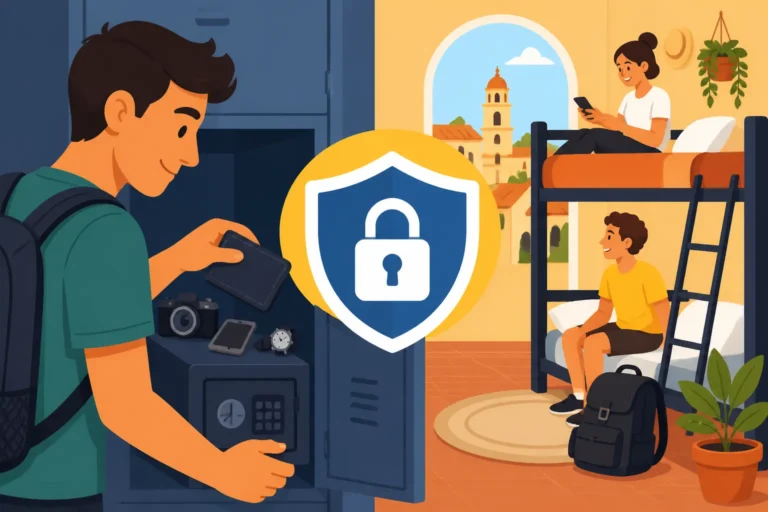
This is a big one. The beach is a place for relaxation, but it’s also a place where you need to be smart about your belongings. My advice is simple: only bring what you absolutely need to the beach. Leave expensive jewelry, excessive cash, and important documents locked up at your hotel or apartment.
When you go for a swim, don't just leave your phone and wallet unattended on your towel. If you're traveling with a partner or group, take turns swimming. If you're solo, consider investing in a waterproof dry bag that you can take into the water with you, or a diversion safe (e.g., a hollowed-out sunscreen bottle). Better safe than sorry. For pre-booked activities like tours or specific attractions, I find GetYourGuide excellent, as all your tickets are digital and stored securely on your phone, reducing the need to carry paper printouts.
Region-Specific Considerations for Southern Spain
Southern Spain isn't a monolith; its coastlines offer diverse experiences, and your packing might need slight tweaks depending on where exactly you're headed.
Costa del Sol & Mediterranean Coast
This is perhaps the most famous stretch of coastline in Southern Spain, encompassing popular destinations like Málaga, Marbella, and Nerja. The beaches here are generally well-maintained, with soft, golden sand and calm, warm Mediterranean waters. You'll find plenty of amenities – chiringuitos (beach restaurants), sunbed rentals, and showers – usually within easy reach.
For these bustling beaches, emphasis remains on strong sun protection and managing crowds. You might want to consider a lightweight beach chair if you don't plan on renting a sunbed, as sitting on a towel all day isn't for everyone. Due to the popularity, knowing how to get around is key, so our guide on Public Transport in Spain: Cards, Discounts, and Etiquette might come in handy for getting to these busy spots.
Atlantic Coast (Costa de la Luz)
Head west towards the provinces of Cadiz and Huelva, and you hit the glorious Costa de la Luz. This coastline faces the Atlantic, meaning the water can be a bit cooler, the breezes stronger, and the waves more pronounced, making it popular with surfers and kite surfers. Beaches here are often wilder, more expansive, and less developed than their Mediterranean counterparts.
If you're venturing to places like Tarifa, Caños de Meca, or El Palmar, be prepared for wind. A light windbreaker or a larger, more robust beach towel that won't easily blow away is a good idea. Water shoes are still recommended if you plan to explore any rocky areas. The sheer size of these beaches often means fewer amenities, so pack extra water, snacks, and anything else you might need for the day. For getting to these slightly more off-the-beaten-path locations, checking transport options on platforms like Omio can be really helpful for train and bus tickets.
Lesser-Known Coves and Rocky Beaches
Southern Spain is dotted with countless hidden coves and smaller, often pebbly or rocky beaches that offer incredible natural beauty and a sense of escape. Think parts of Cabo de Gata-Níjar Natural Park in Almería, or secluded spots along the Axarquía coast in Málaga.
For these spots, water shoes are not just recommended, they're practically essential to protect your feet. You'll also want to pack more self-sufficiency items: extra food, plenty of water, and perhaps a small cool box. Beach chairs or sturdy mats will be more comfortable than just a towel on uneven terrain. Amenities will be minimal to non-existent, so plan accordingly. If you're looking for unique experiences away from the main tourist hubs, sites like Booking.com can sometimes reveal charming, rustic accommodations near these hidden gems.
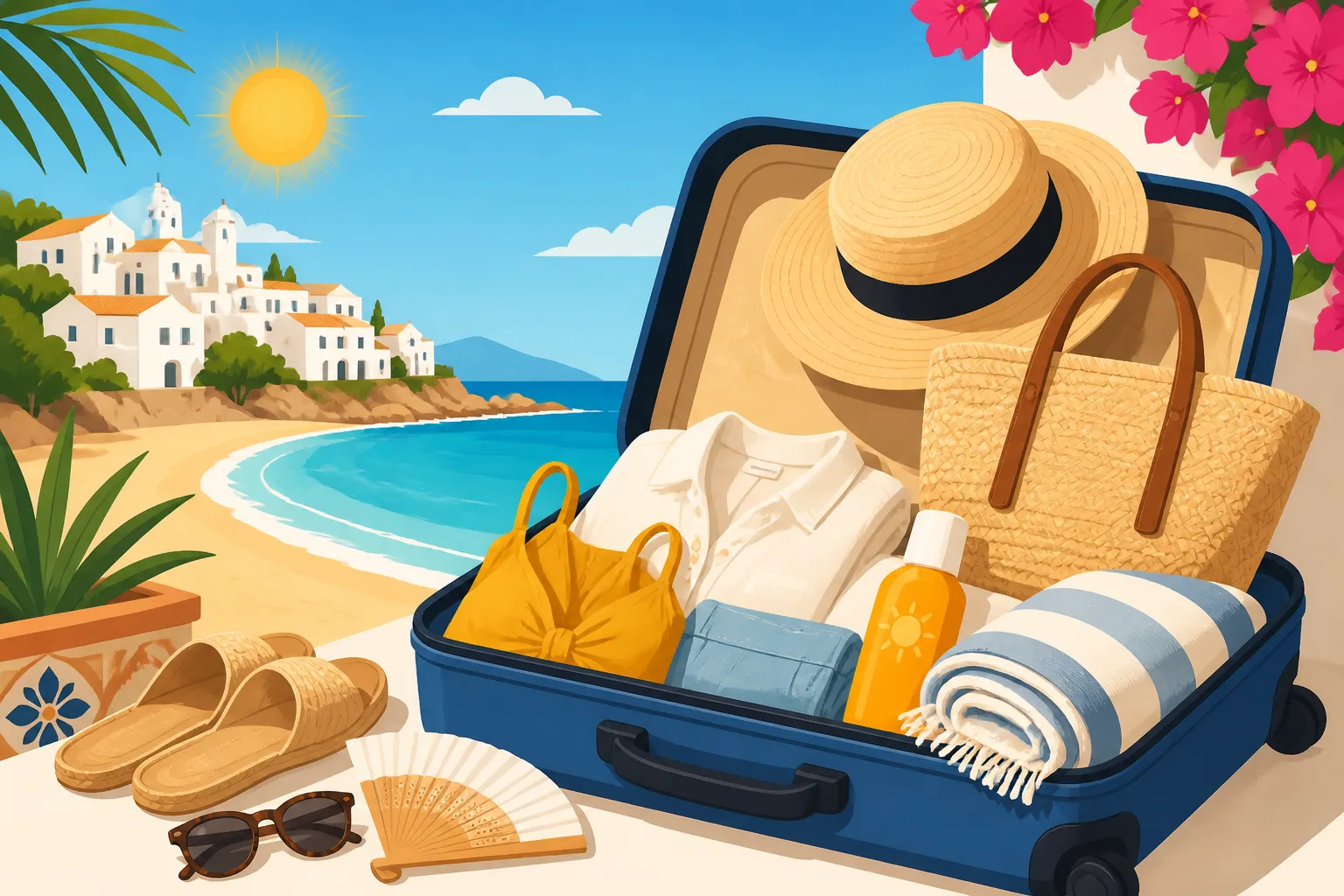
Here's a handy table to summarize your packing essentials:
| Item Category | Essential Items | Recommended/Optional Items |
|---|---|---|
| Sun Protection | High SPF (30-50+) Broad-Spectrum Sunscreen | After-sun lotion, SPF lip balm |
| Wide-brimmed hat | Sunglasses with UV protection | |
| Sunglasses | Beach umbrella (if not renting one) | |
| Clothing & Footwear | 2-3 Swimsuits/Trunks | Light windbreaker/cardigan for evenings |
| Beach cover-ups/sarongs | Water shoes (for rocky beaches) | |
| Flip-flops/sandals | ||
| Beach Gear | Quick-drying beach towel | Large beach blanket/mat (esterilla) |
| Large, durable beach bag | Small, waterproof dry bag for valuables in water | |
| Personal Comfort | Reusable water bottle | Electrolyte tablets |
| Hand sanitizer & wet wipes | Small portable fan | |
| Basic first-aid kit (plasters, pain relievers) | ||
| Entertainment & Tech | Book/e-reader | Waterproof phone pouch |
| Portable power bank | Small portable speaker (use respectfully) | |
| Travel adapter (Type F/C) | Snorkeling gear | |
| Money & Documents | Copy of ID/passport (digital & physical) | Travel insurance details |
| Credit/debit cards | Small denominations of euros for cash purchases | |
| Emergency contact list | Discreet money belt or anti-theft bag |
No matter where in Southern Spain you choose to unfurl your towel, a little foresight in your packing will go a long way in ensuring your beach trip is smooth, safe, and truly unforgettable. Enjoy every sun-drenched moment!
Disclaimer
The information provided in this guide is for general informational purposes only and does not constitute professional advice. While we strive to keep the content up-to-date and accurate, regulations, prices, and conditions in Spain can change rapidly. Always cross-reference information with official sources and consider seeking personalized advice for your specific situation. We are not responsible for any actions taken based on the information presented herein.