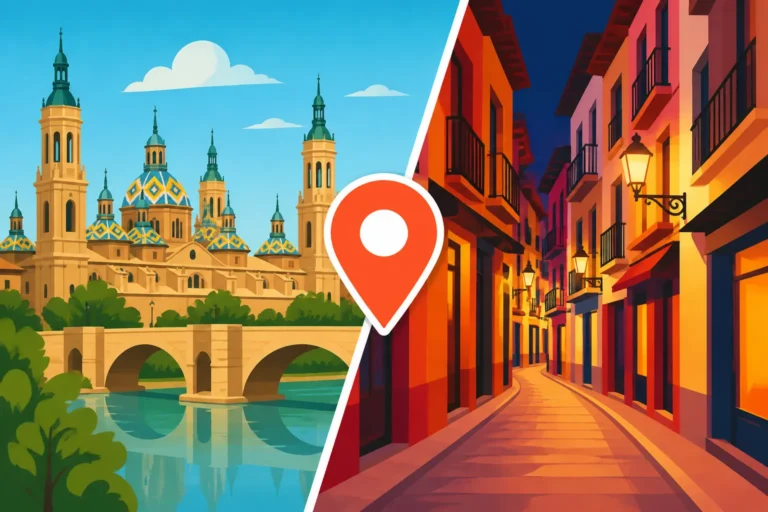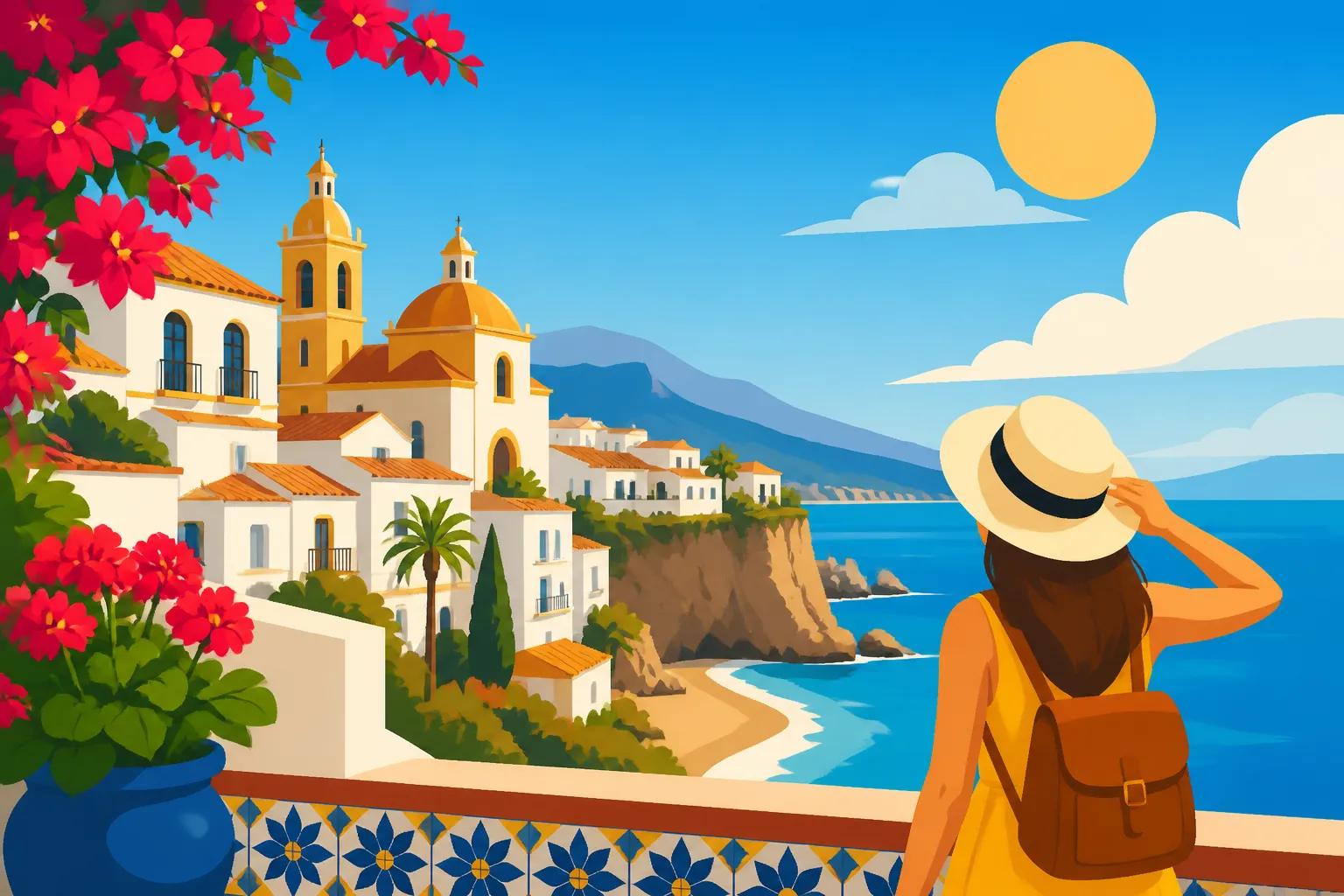
Weekend Getaways in Southern Spain
Getting stuck in a "work-paperwork-repeat" loop is the fastest way to burn out in Spain, and I've spent far too many Friday afternoons staring at a half-finished TIE application instead of catching a train south. Trust me, the bureaucracy isn't going anywhere, but the orange blossom season in Seville is fleeting. This guide is your escape hatch, showing you exactly how to navigate Southern Spain’s best weekend getaways without the typical rookie mistakes.
Disclosure: This post may contain affiliate links. We may earn a commission at no extra cost to you if you make a purchase through these links. Read full disclosure.
The Golden Triangle: Seville, Granada, and Córdoba
If you only have a few weekends to spare, you start with the heavy hitters. These three cities are the soul of Andalusia, but they can be a logistical nightmare if you don't respect the local rhythm. I remember my first trip to Granada where I thought I could just "walk up" to the Alhambra; I ended up eating a very expensive sandwich in a nearby parking lot while staring at a "Sold Out" sign. Don't be that person.
Seville: The Capital of Flamenco and Hidden Tapas
Seville is often called the most "Spanish" city in the country. It’s where the Cost of Living in Spain actually feels worth every cent. For a weekend getaway, you want to base yourself in the Barrio Santa Cruz or near the Alameda de Hércules. The latter is where the locals hang out to avoid the horse-carriage crowds of the Cathedral area.
When you’re there, skip the "Flamenco for Tourists" flyers. Instead, head over to the Triana district across the river. It’s the old gitano quarter where the art form was born. If you’re visiting in April 2026, keep in mind that the Feria de Abril runs from April 21 to 26. The city effectively shuts down for a week of drinking rebujito (sherry and lime soda) and dancing. It’s a bucket-list experience, but finding a hotel on Booking.com during this week requires booking months in advance. For the best experience, use GetYourGuide to find a local who can explain the complex "private vs. public" tent (caseta) system so you don't spend the whole night standing outside a closed party.
Granada: Alhambra Hacks and Albaicín Wandering
Granada is unique because it’s one of the last places in Spain where the "free tapas" culture is still alive. You buy a beer for three euros, and they bring you a plate of jamón or fried fish for free. Many visitors find that the best spots are tucked away in the Albaicín, the old Moorish quarter.
The struggle in Granada is the hills. If you’re staying in a charming Airbnb in the Albaicín, your legs will feel it by Sunday. More importantly, the Alhambra tickets are like gold dust. You need to book these at least two months out, or you’ll be stuck doing the "Generalife Only" tour, which is beautiful but misses the main palace. To get there from Seville or Málaga, Omio is often your best bet to compare the high-speed trains (AVE) against the ALSA buses, which are surprisingly luxurious and often more direct for this route.
Córdoba: More Than Just the Mosque-Cathedral
Most people treat Córdoba as a day trip on the way to Seville, but they are missing out. Spending a night here allows you to see the Mezquita (Mosque-Cathedral) at night, which is a completely different vibe. In May 2026, specifically from the 4th to the 17th, the city hosts the Festival of the Patios. Residents open their private, flower-filled courtyards to the public.
The frustration here is the heat. Córdoba is often the hottest city in Europe. If you visit in June or July, you will be hiding indoors from 2:00 PM to 7:00 PM. This is a great time to learn about Staying Healthy in Spain: Preventive Care, Vaccines, and Wellness because heatstroke is a very real thing for unacclimated foreigners. Use the siesta hours to visit the Palacio de Viana or enjoy a cold salmorejo (a thicker, creamier version of gazpacho that originated here).
Coastal Escapes: Málaga and the Wild East
While the "Golden Triangle" covers history, the coast provides the relaxation we all moved here for. However, "The Coast" is a broad term. You have the high-rise glitz of the Costa del Sol and the rugged, volcanic silence of Almería.
Málaga: The Picasso City’s Modern Glow-up
Málaga used to be just an airport hub, but it has transformed into a cultural powerhouse. The city center is now almost entirely pedestrianized, making it a dream for weekenders. You have the Picasso Museum, the Pompidou Centre, and the Alcazaba fortress all within walking distance.
One thing I’ve learned the hard way: do not try to drive into the center of Málaga. The "Blue Zones" (paid parking) are strictly enforced, and the narrow streets are a trap for rental cars. If you’re coming from elsewhere in Spain, take the train. You can check schedules on Omio and walk from the María Zambrano station to the port in about 20 minutes. If you do want to explore the nearby Caminito del Rey—a stunning walkway pinned to the side of a gorge—you can book a day trip through GetYourGuide which includes the shuttle bus from the city center.
Cabo de Gata: Spain’s Unspoiled Volcanic Paradise
If the crowds of Málaga are too much, you need to head east to Almería. Cabo de Gata-Níjar Natural Park is one of the few stretches of the Mediterranean coast that hasn't been ruined by concrete hotels. This is the "wild" Spain. You’ll find volcanic cliffs, hidden coves like Cala de Enmedio, and tiny fishing villages like Las Negras.
The catch? You absolutely need a car. Public transport in this corner of the country is virtually non-existent for tourists. It’s also important to have your Money in Spain for Expats sorted, as many of the small beach "chiringuitos" in the park are cash-only or have "broken" card machines during the high season. For accommodation, search Booking.com for "casas rurales" in the village of San José. It acts as the perfect base for exploring the lighthouse and the famous Playa de los Genoveses.
The White Village Road Trip (Pueblos Blancos)
For many, the image of Southern Spain is white-washed houses perched on impossible cliffs. This is the "Pueblos Blancos" route, stretching across the provinces of Cádiz and Málaga. This is where you’ll find the most "I've-been-there" realistic challenges, mostly involving goats on the road and very steep hills.
Ronda: The Tajo Gorge and Hemingway’s Spirit
Ronda is the star of the show. The town is literally split in half by a 120-meter deep gorge, connected by the "New Bridge" (which was actually built in the 1700s). It’s incredibly romantic but can get very "touristy" between 11:00 AM and 4:00 PM when the bus tours arrive from the coast.
To enjoy Ronda like an expat, stay the night. Once the day-trippers leave, the Plaza de Toros and the gorge viewpoints become quiet and magical. Use GetYourGuide to find a local winery tour in the surrounding valley; the Serranía de Ronda produces some of the most underrated red wines in Spain.
Grazalema and Zahara de la Sierra
If Ronda feels too busy, keep driving into the Sierra de Grazalema. Zahara de la Sierra is a village that looks like it was carved out of a limestone peak, overlooking a turquoise reservoir. Grazalema, just up the road, is famous for being the rainiest place in Spain (yes, really). It’s a hiker’s paradise.
A quick warning for those of us who have lived through the Spanish Bureaucracy for Daily Life: Padrón, IDs, and Local Services: these villages operate on "pueblo time." Don't expect shops to be open on a Sunday afternoon, and if you need a pharmacy, you’ll have to find the "Farmacia de Guardia" listed on a paper sign in the window of the main one.
Practical Logistics: Avoiding the Expat Parking Meltdown
The biggest hurdle for any weekend getaway in Southern Spain is the transition from "traveling" to "arriving." Spain’s infrastructure is world-class, but its old city centers were designed for donkeys, not SUVs.
Trains vs. Buses vs. Car Rental
| Transport Mode | Best For | Pros | Cons |
|---|---|---|---|
| AVE / Renfe Train | City-to-City (e.g., Seville to Córdoba) | Fast, comfortable, wine available on board. | Expensive if booked last minute; limited routes. |
| ALSA / Avanza Bus | Budget travel & smaller towns | Very cheap, covers everywhere, reliable Wi-Fi. | Longer travel times; bus stations can be sketchy at night. |
| Car Rental | Pueblos Blancos & Cabo de Gata | Ultimate freedom; hidden gems access. | Parking is a nightmare; fuel and tolls add up. |
I generally recommend using Omio to book your long-distance legs. The Renfe website is notoriously difficult for foreign credit cards to process, and Omio provides a much cleaner interface in English. If you’re heading to a city like Seville, do not rent a car. You will spend your entire weekend looking for a parking spot or paying €25 a day in a dark underground garage.
Navigating the 2026 Calendar: Holidays and Heatwaves
Your planning needs to be surgical. Semana Santa (Holy Week) runs from March 29 to April 5. If you travel during this time, prices on Booking.com will triple, and cities like Seville and Granada will be packed with processions. It’s beautiful, but it’s not a "relaxing" getaway.
Also, keep an eye on the "Puentes" (bridge holidays). If a public holiday falls on a Tuesday or Thursday, Spaniards will take the intervening day off to make a four-day weekend. This is when the coast gets flooded with locals. If you are still navigating your NIE, TIE & Empadronamiento or waiting for your residency card, always carry a copy of your application "resguardo" and your passport when traveling near the coast or border areas, just in case.
The Siesta and Dinner Rhythm: A Survival Guide
The most common frustration I hear from new expats is: "Everything was closed when I was hungry." In Southern Spain, lunch is the main meal, usually served between 2:00 PM and 4:00 PM. If you try to find a sit-down meal at 6:00 PM, you will find nothing but coffee and cake.
Tapas bars usually open around 8:30 PM, but they don't get busy until 10:00 PM. If you’re traveling with kids, this can be a struggle. Look for "Bar de Abuelos" (old man bars) or places in more international neighborhoods like Málaga’s Soho district, where hours are slightly more flexible. If you ever find yourself in a medical pinch during these odd hours, it’s good to know the Emergency Healthcare in Spain: 112, Urgent Care, and What to Expect protocols, as the "Urgencias" at the local hospital is always open, even when the tapas bars aren't.
Weekend Getaways in Southern Spain Disclaimer
The information provided in this guide is for informational purposes only and reflects the personal experiences and research of the author. Travel conditions, local laws, and event dates for 2026 may change. Always verify specific requirements for visas, health insurance, and bookings directly with official providers or government authorities. The author and publisher are not responsible for any travel disruptions or legal issues encountered during your trip.