What to Do If Your Spanish Insurer Denies a Treatment Claim
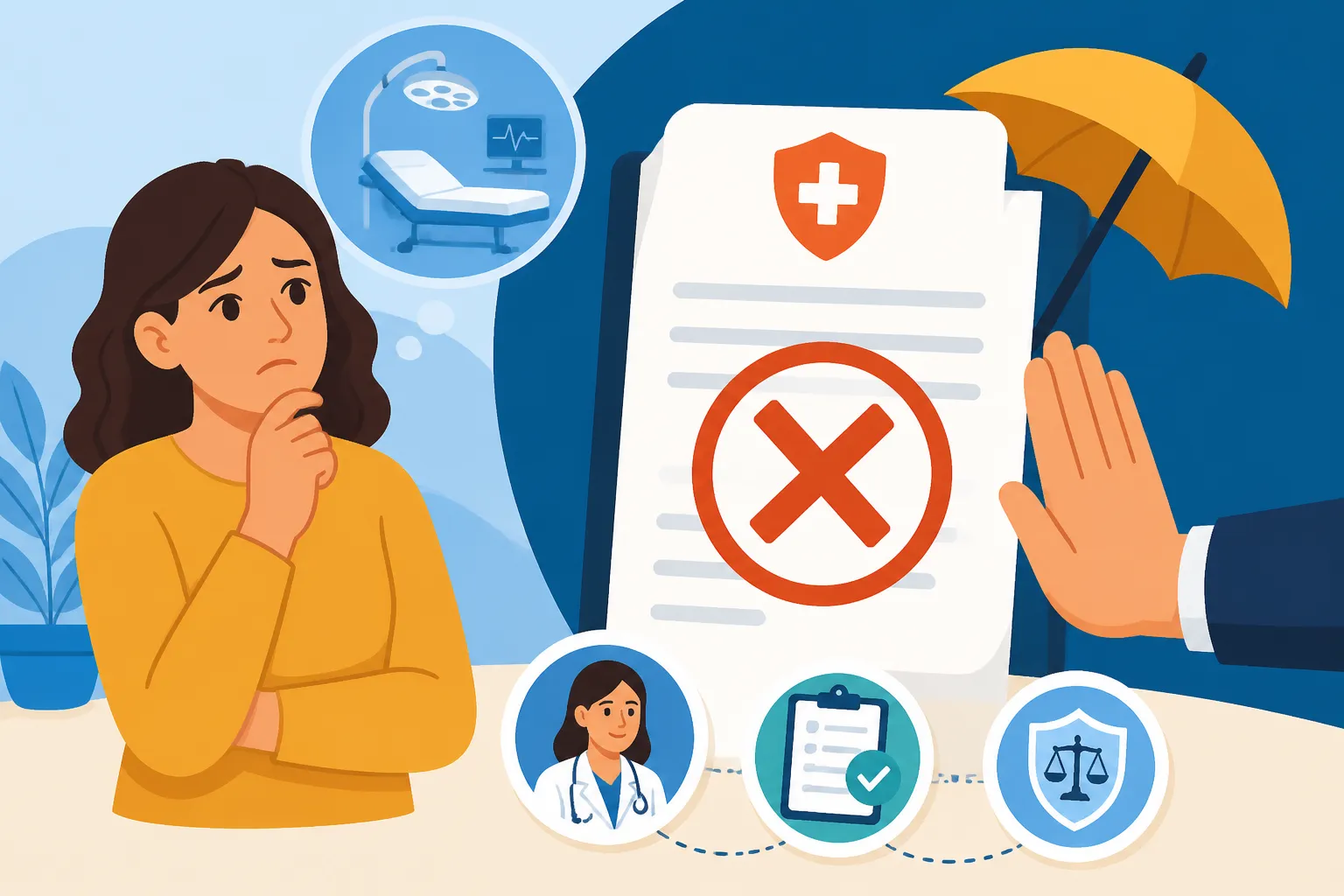
You finally navigated the labyrinth of Spanish residency, secured your TIE, and signed up for private health cover, only to have your insurer tell you "No" when you actually need treatment. I vividly remember sitting in a specialist's office in Madrid, face burning with frustration, as the receptionist told me my authorization had been rejected. This guide solves the mystery of why claims get denied in Spain and provides a step-by-step roadmap to fighting back.
Disclosure: This post may contain affiliate links. We may earn a commission at no extra cost to you if you make a purchase through these links. Read full disclosure.
Understanding Why Your Claim Was Rejected in Spain
Before you can build a defense, you have to understand the specific "Spanish" logic behind the rejection. Unlike some systems where you pay and get reimbursed later, the Spain Healthcare System for Expats: Public vs Private relies heavily on a system of prior authorizations (autorizaciones). If you skip this step, the denial is almost automatic.
The Most Common Culprits for Denials
The most frequent reason for a "denegación" is the dreaded carencia or waiting period. In Spain, most private policies have a 6 to 10-month waiting period for complex procedures like surgery, hospital stays, or high-tech diagnostics. If you try to book an MRI three months into your policy, the system will flag it. It is infuriating, especially if you were never clearly told about these windows during the sales pitch.
Another common hurdle is the pre-existing condition clause. Spanish insurers are notoriously strict about this. If you had even a minor consultation for a related issue years ago, they might argue the condition was "known" (preexistente) and therefore excluded. This is why Private Health Insurance for Spain Visas: What Policies Must Include is so specific about having no "copagos" and full coverage; the government wants to ensure you aren't left stranded by these fine-print exclusions.
Administrative Errors and Documentation Gaps
Sometimes the denial isn't about your health, but about a clerk's typo. Your name on your insurance card must match your TIE or passport exactly. If you are using a provider like Innoinsure, you generally find that their administrative interface is more modern and expat-friendly, reducing these types of errors. However, with traditional local insurers, a missing second surname or an outdated address can trigger a "client not found" or "policy inactive" error that looks like a treatment denial but is actually just a data mismatch.
Immediate Steps to Take After a Denial
The moment you receive a denial—whether it’s a verbal "no" at the clinic or a formal letter—do not panic. You have rights under Spanish consumer law, but you must follow a very specific "papel" (paperwork) trail to succeed.
Request a Formal Denial in Writing
In Spain, verbal denials carry no weight for an appeal. You must ask the insurer for the comunicación de denegación por escrito. This document must state the specific clause in your policy they are using to justify the rejection. Once you have this, compare it against your original policy document (the Condiciones Particulares).
If you have international coverage through a provider like Cigna Global, you might find their denial letters are more detailed and provided in English, which makes this step significantly easier. Local Spanish companies often use dense legalistic Spanish that might require a translator or a very patient friend to decipher.
Gather Your Medical Evidence
You need your doctor to be your ally here. If the insurer claims a condition is pre-existing, you need a report (informe médico) from your specialist stating clearly that the current issue is acute, new, or unrelated to previous history. In Spain, doctors are used to writing these reports for insurance disputes. Be specific: ask the doctor to mention the date of onset and why the treatment is "urgente" or medically necessary.
If you are a digital nomad using SafetyWing for your travel medical needs, the evidence required is often focused on the "unexpected" nature of the illness. For residency-based private insurance, the focus is more on the "non-pre-existing" nature.
Review Your Policy’s "Carencias" and "Exclusiones"
Go back to the very first PDF they sent you when you signed up. Look for the table of waiting periods. If you are being denied for a surgery because you are in month five of a six-month waiting period, you might have to wait 30 days unless you can prove it is a life-threatening emergency. Knowing How to Choose Between Two Private Insurers in Spain (Decision Tips) before you sign up is vital, as some companies offer to "waive" waiting periods if you are switching from another Spanish provider.
| Document Needed | Purpose | Source |
|---|---|---|
| Informe Médico | Medical justification for the treatment | Your Specialist / GP |
| Denegación Escrita | The official reason for rejection | Insurer's App or Office |
| Condiciones Particulares | Your specific policy limits and carencias | Your Insurance Contract |
| Facturas / Presupuesto | The cost of the treatment being denied | The Clinic or Hospital |
The Formal Complaint Process and External Appeals
If calling the customer service line doesn't work—and let’s be honest, it often doesn't—you have to escalate. Spain has a structured three-tier system for insurance complaints that you must follow in order.
Step 1: The Servicio de Atención al Cliente (SAC)
Every insurer in Spain is legally required to have a dedicated Customer Service Department. You must submit a formal reclamación (complaint) to them first. You can usually do this via their website or at a physical branch. They have one month to respond to you. If they don't respond, or if they uphold the denial, you move to the next level.
Step 2: The Defensor del Asegurado
Many large insurers have an "Insurance Ombudsman." This is an independent figure who reviews cases. Check your policy to see if your insurer has one. Their decision is often binding for the company but not for you—meaning if they say "yes," the company must pay, but if they say "no," you can still keep fighting elsewhere. This is a crucial step before heading to the national regulator.
Step 3: The DGSFP (National Regulator)
If the internal routes fail, you file a complaint with the Dirección General de Seguros y Fondos de Pensiones (DGSFP). This is the government body that oversees all insurance in Spain. Filing a claim here is free. You will need to provide all your previous correspondence to show you tried to solve it with the insurer first. The DGSFP’s "dictamen" (opinion) isn't legally binding in a court, but most Spanish insurers will fold and pay the claim if the regulator sides with the patient, as they want to avoid fines or negative marks on their record.
Practical Tips to Avoid Future Denials
The best way to handle a denied claim is to prevent the denial from happening in the first place. This requires a bit of a "strategic" approach to how you interact with the Spanish medical system.
Always Request Authorization Early
Never assume a procedure is covered just because your doctor says you need it. For any test more complex than a basic blood draw, use the insurer's app to request authorization at least a week in advance. This gives you time to fight a denial before you are standing in the clinic waiting for a procedure. If you are Choosing a Private Health Insurer in Spain: What to Compare, look specifically at the ease of their mobile app's authorization process.
Be Careful With "Pre-existing" Language
When filling out your initial health questionnaire, be honest but precise. If you tell a doctor "I've had this back pain for years," and he writes that in your Medical Records in Spain: Accessing and Sharing Your History, your insurer will see that as a "pre-existing condition" and deny any future spinal treatment. In Spain, the "first symptom" date is the golden rule for insurers.
Know When to Switch
If your insurer is consistently difficult, it might be time to move. However, be careful: How to Switch Private Health Insurers in Spain Without Losing Cover requires timing your move with your policy's annual renewal date (usually January 1st) and ensuring the new company will "recognize" your time spent with the previous one to waive new waiting periods.
What to Do in a Medical Emergency
If you are facing a life-threatening emergency and your private insurer is stalling on an authorization, you have the right to go to a public hospital. In Spain, emergency care is a universal right. While you might be billed later if you aren't registered in the public system, your priority is health.
You can later use the documentation from the public emergency room to force your private insurer to reimburse the costs, arguing that the urgency bypassed the need for prior authorization. This is often a complex legal battle, but it is one that How to Make a Complaint About Healthcare in Spain: Patient Rights covers in detail.
Remember, the system is bureaucratic and often feels designed to make you give up. Many expats pay out of pocket for treatments that should have been covered simply because they didn't want to deal with the reclamación process. Don't be one of them. Take the "I've-been-there" advice: keep every receipt, document every phone call, and don't be afraid to mention the DGSFP to a customer service agent. Sometimes, just knowing you know the rules is enough to make them reconsider.
Disclaimer
This guide is for informational purposes only and is based on personal experience and general knowledge of the Spanish insurance market. It does not constitute legal or professional medical advice. Insurance laws and company policies in Spain can change frequently. Always consult with a qualified legal professional or a registered insurance broker before making decisions regarding your healthcare coverage or legal disputes.