Moving to Spain from Italy: Mediterranean Road and Ferry Routes
Oh, the romantic idea of moving from Italy to Spain! You’re trading one beautiful Mediterranean country for another, perhaps envisioning endless sunshine, delicious tapas, and a slightly different pace of life. But before you get lost in dreams of paella and flamenco, let's talk about the cold, hard reality: actually getting your life from Italy to Spain. It's not just a hop, skip, and a jump, especially if you're bringing more than a suitcase. This guide is here to walk you through the nitty-gritty of the Mediterranean road and ferry routes, cutting through the confusion to help you make this exciting, albeit complex, journey.
Disclosure: This post may contain affiliate links. We may earn a commission at no extra cost to you if you make a purchase through these links. Read full disclosure.
Embracing the Mediterranean Journey: Road vs. Ferry from Italy to Spain
Moving across the Mediterranean, even within the EU, presents a unique set of logistical challenges. You’re not just packing a few boxes; you're often transplanting an entire household, beloved pets, and perhaps even your car. Deciding between driving all the way or taking a ferry isn't just a matter of preference; it involves weighing costs, time, convenience, and how much stress you’re willing to take on. Both options offer a chance to soak in the Mediterranean vibe, but they demand very different preparation.
Choosing a Mediterranean route over, say, just flying everything, often comes down to practicality and sentimentality. Many expats want to bring their own car, or they have furniture, art, or personal items that just wouldn't make sense to ship via air cargo. Plus, for those with pets, a slower, more controlled journey by road or sea is often far less traumatic than air travel. You get to oversee your belongings, which offers a peace of mind that can be invaluable during such a big transition. However, let's be real: coordinating all this is a monumental task. From understanding vehicle import rules and pet passports to finding trustworthy movers who can handle international transit, the list of to-dos can quickly become overwhelming. This is precisely why services like Sirelo are a godsend, helping you compare various moving companies to manage these intricate details, ensuring your precious cargo arrives safely without you having to become a logistics expert overnight. They take the guesswork out of finding reliable movers who specialize in these cross-border hauls, allowing you to focus on the exciting parts of your move.
Driving Your Way: The Overland Adventure Through Southern France
For many, the idea of a road trip from Italy to Spain is a romantic notion – cruising along scenic coastlines, stopping in charming French villages, and seeing the landscape change from Italian vineyards to Spanish olive groves. And it is, indeed, an adventure! But it's also a significant undertaking that requires meticulous planning, especially when you're moving your entire life.
Route Planning and Road Conditions
The most common driving route from Italy to Spain involves traversing southern France. You essentially have two main options: hugging the coast or venturing slightly inland. The coastal route takes you through the stunning French Riviera, past cities like Nice, Marseille, and Montpellier, before crossing into Spain near Perpignan. This route is incredibly picturesque but can be slower due to heavy traffic, especially during peak seasons, and involves numerous toll roads (known as péages in France). These tolls can add up quickly, so factor them into your budget. An alternative, slightly more inland, might take you through cities like Toulouse, potentially offering a quicker, albeit less scenic, passage. No matter which you choose, you'll predominantly be on well-maintained motorways. However, French rest stops (aires de service) are world-renowned for being much more than just a petrol station – often featuring restaurants, picnic areas, and even playgrounds, making pit stops a pleasant experience.
The total driving distance from, say, Milan to Barcelona, is roughly 1000-1100 kilometers, which translates to about 10-12 hours of pure driving time. From Rome, it’s closer to 1300-1400 kilometers, easily a 14-16 hour journey. This isn't a single-day drive with a moving truck or a car full of belongings. You'll definitely need to plan at least one overnight stop, possibly two, depending on your starting point in Italy and your final destination in Spain, and of course, how much you want to sightsee along the way. Finding suitable accommodation that can also accommodate your vehicle, especially a larger moving van, requires advance booking. Don't forget to research parking options at your chosen hotels or guesthouses.
Vehicle and Personal Document Requirements
When driving across EU borders, you generally won't face stringent customs checks for personal belongings. However, having all your vehicle documents in order is absolutely critical. This includes your valid driver's license (an international driving permit isn't strictly necessary for EU citizens but can be helpful for non-EU license holders), vehicle registration document (libretto di circolazione in Italy), and proof of insurance. It's wise to carry your insurance policy details, ideally showing international coverage, including the green card (although often not required for EU-registered vehicles within the EU, it's good for peace of mind).
For yourself and any passengers, make sure you have your passports or national ID cards. While internal EU borders are generally open, checks can occur, and it's always best to be prepared. If you're bringing a pet, ensure they have their EU pet passport with up-to-date vaccinations, especially for rabies, and a microchip. The rules for Bringing Pets to Spain: EU Pet Passport and Entry Requirements are pretty clear, but double-checking them before you leave is non-negotiable. Don't forget essentials like a reflective vest and warning triangle in your car, as these are mandatory in both France and Spain. If you're planning on living in Spain, you'll also need to consider your own residency permit. Many expats start with a Spain Visas & Residency: Complete Guide for Foreigners and then move on to obtain their TIE card after arrival.
Costs and Considerations for Driving
Beyond fuel and tolls, consider the cost of accommodation for your overnight stops, food, and potential wear and tear on your vehicle. Fuel prices fluctuate, but generally expect them to be similar to or slightly higher than in Italy, especially on motorways. A small contingency fund for unexpected breakdowns or diversions is also a smart idea.
If you’re driving your personal car and hiring a moving company for your household goods, you’ll split the logistical burden. But if you’re attempting to move everything yourself in a rented van, the complexity increases tenfold. You'll need a larger, more powerful vehicle, potentially specialized insurance, and the physical stamina to handle a long drive with a heavy load. This is where the true value of a professional moving service becomes apparent. Rather than navigating a bulky van through unfamiliar cities and paying exorbitant tolls, wouldn't it be easier to have a team of experts handle the transport while you enjoy the drive in your car, or even fly directly? By using a platform like Sirelo, you can get competitive quotes from movers experienced in the Italy-Spain corridor, letting them take on the heavy lifting and the complex logistics of cross-border transport. It’s about leveraging expertise so your moving experience is exciting, not exhausting.
Setting Sail: Ferry Options Across the Mediterranean
For those who cringe at the thought of a multi-day drive, especially with pets or a car full of valuables, taking a ferry directly from Italy to Spain can be an incredibly appealing alternative. It transforms a strenuous journey into a mini-cruise, allowing you to relax, sleep, and arrive refreshed.
Direct Ferry Routes and Operators
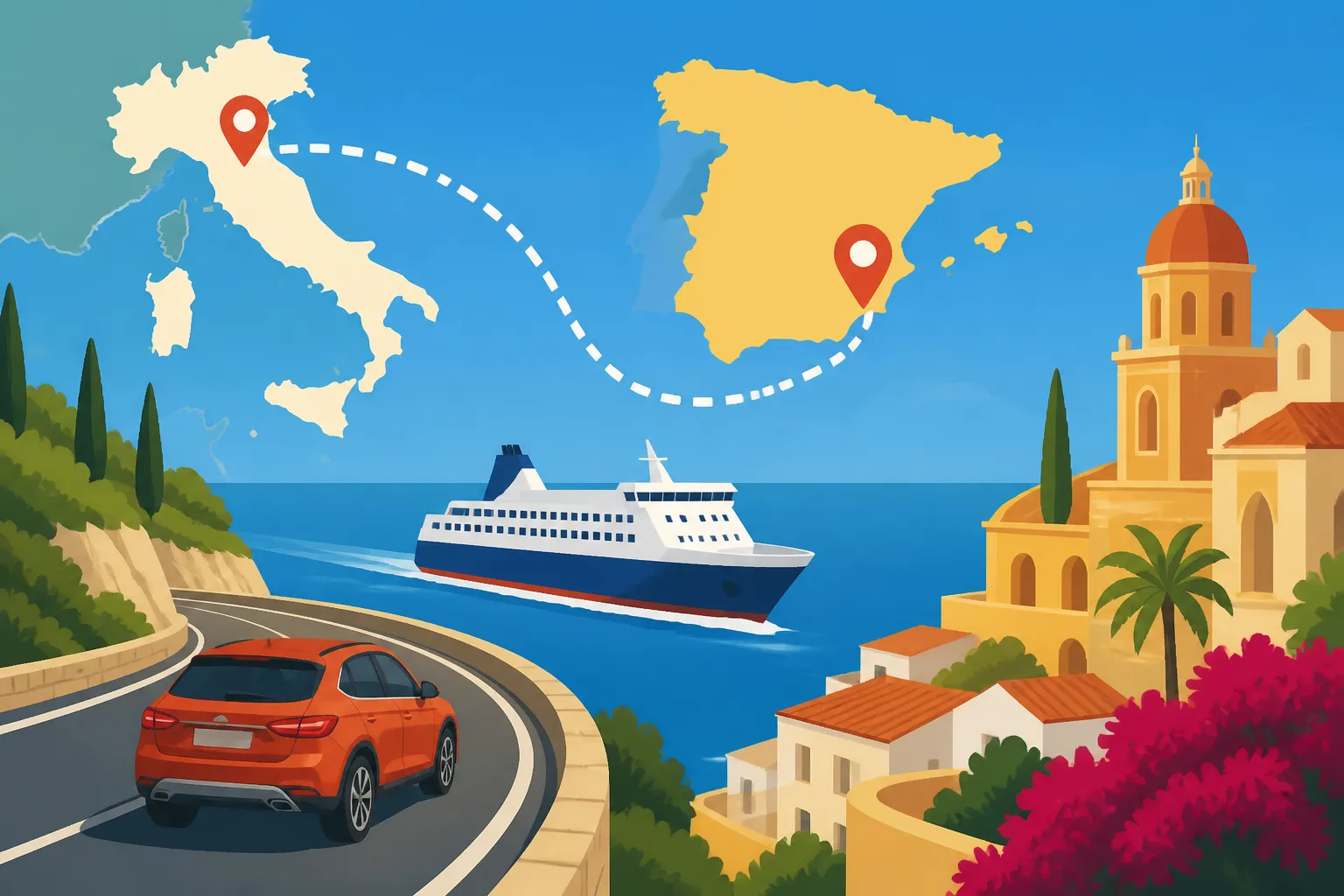
The primary direct ferry routes connecting Italy and Spain are between major port cities. The most popular options typically involve Grimaldi Lines and GNV (Grandi Navi Veloci), which operate services that can take you and your vehicle from Italian ports like Civitavecchia (near Rome), Genoa, Livorno, or Savona directly to Barcelona.
For example, a ferry from Civitavecchia to Barcelona is a well-established route, often an overnight journey taking approximately 20-22 hours. From Genoa or Livorno, the crossing to Barcelona can be similar, sometimes a little longer, around 20-25 hours. These aren't short trips, but that's part of their appeal. You check in, drive your car or moving van onto the ship, and then settle into your cabin. Many people find the overnight journey a blessing, as they avoid the stress of driving and arrive at their destination ready to tackle the next steps of their move. Booking well in advance, especially if you need a vehicle spot or a specific cabin type, is highly recommended, as these routes can be popular, particularly during summer or holiday periods.
What to Expect Onboard
Ferry companies operating on these routes offer a range of amenities designed to make your journey comfortable. You can typically choose from various cabin types, from basic interior cabins to more luxurious suites with sea views. If you're traveling with pets, many ferries offer pet-friendly cabins or designated kennels. However, policies vary between operators and even ships, so always confirm pet arrangements and availability when booking. You'll also find restaurants, cafes, bars, and sometimes even shops or entertainment facilities onboard. For those traveling with children, some ferries might have play areas.
The process of loading and unloading vehicles is generally straightforward, but it can be a bit chaotic during peak times. Follow the crew's instructions carefully. Once onboard, you usually have access to your vehicle at specific times, if at all, during the journey, so make sure to pack an overnight bag with all essentials you'll need in your cabin. For those wondering about How to Budget for Healthcare in Spain as a Family or considering the Cost of Living in Spain: Realistic Budgets and Savings Tips, remember that the ferry itself is a one-off expense, but an important part of your initial relocation budget.
Pros and Cons of Ferry Travel
Pros:
- Reduced Driving Stress: No need to navigate unfamiliar roads, deal with tolls, or worry about fatigue.
- Convenience for Vehicles & Large Items: Ideal for transporting your personal car, motorcycle, or even a larger moving van with ease.
- Pet-Friendly: Often offers dedicated facilities or cabins, a calmer experience for your furry friends.
- Restful Travel: Overnight crossings allow you to sleep and arrive more refreshed.
- Scenic Views: Enjoy the Mediterranean from a different perspective.
Cons:
- Time Commitment: Journeys are long (20+ hours), so it's not a quick dash.
- Cost: Can be more expensive than driving, especially with a vehicle and a cabin.
- Limited Schedule Flexibility: Fewer departure times compared to driving whenever you please.
- Potential for Sea Sickness: For those prone to it, a bumpy crossing can be unpleasant.
- Booking Essential: Especially for vehicles and preferred cabins, you need to book well ahead.
For large household moves, the ferry handles the large transport, but you still need to get your belongings to the port in Italy and then from the port in Spain to your new home. This is where integrating a specialized moving service like those found on Sirelo truly simplifies things. They can coordinate the entire process – from packing your home in Italy, transporting it to the port, managing the ferry booking for your goods, and then delivering everything to your doorstep in Spain. Instead of wrestling with ferry logistics for a moving truck yourself, imagine simply booking your passenger ticket and letting the professionals handle the rest. Sirelo helps you connect with reputable international movers who understand these routes and can offer tailored solutions, making your journey as smooth as the Mediterranean on a calm day.
Streamlining Your Move: Making it Happen with Less Stress
Moving countries is a massive undertaking, full of administrative hurdles and logistical headaches. While the idea of a scenic Mediterranean journey is appealing, the practicalities of moving your entire life can quickly overshadow the excitement. This is where smart planning and the right partners become absolutely indispensable.
Coordinating Moving Companies and Logistics
Whether you choose to drive yourself, take a ferry, or a combination of both, the biggest challenge often lies in getting your household goods from point A in Italy to point B in Spain. This involves everything from professional packing, loading, transport, and navigating potential customs checks, even within the EU. Trying to manage multiple contractors or do it all yourself is a recipe for immense stress. Imagine trying to get quotes from various international movers, comparing their services, insurance, and timelines, all while dealing with your current life in Italy and planning for your new one in Spain. It's a logistical nightmare.
This is precisely where Sirelo steps in as your invaluable hero. Sirelo isn't a moving company itself, but a platform that simplifies the entire process of finding and comparing international movers. With a few clicks, you can get free, no-obligation quotes from multiple vetted moving companies that specialize in the Italy-Spain route. You can compare prices, read reviews from other expats, and choose the service that best fits your budget and needs. They essentially act as a central hub, cutting down on the time and effort you'd spend chasing down individual companies. For instance, if you're exploring How to Compare Private Health Plans: Deductibles, Co‑Pays, Networks for your new life in Spain, you'd want a similar level of detailed comparison for your move, and Sirelo provides exactly that for moving services.
Preparing for Your New Life in Spain
Beyond the actual transport of your belongings, there's a mountain of administrative tasks waiting for you in Spain. One of the first things you'll need to do, often before you can even sign a rental contract or open a bank account, is get your NIE number. This crucial identification number is your gateway to almost everything in Spain. From there, you'll need to sort out your NIE, TIE & Empadronamiento: Essential IDs and Registrations in Spain and get registered at your local town hall (Empadronamiento).
Setting up utilities, finding a place to live, and understanding the local banking system are all part of the initial whirlwind. You'll need to navigate Renting in Spain: Contracts, Deposits, and Tenant Rights if you're not buying property, and then tackle Setting Up Your Life in Spain: Utilities, Internet, and Essentials. It’s a lot to process, and having your moving logistics handled by a trusted partner frees up your mental energy to focus on these critical integration steps.
Why Sirelo is Your Best Bet for a Stress-Free Move
Let's face it: moving from Italy to Spain sounds idyllic, but the actual move can be fraught with unexpected issues. From miscommunications with movers to unforeseen delays, every step requires careful attention. Sirelo alleviates this by providing transparency and choice. Instead of you vetting each company, they do a lot of the initial legwork. You get:
- Multiple Quotes, One Place: Easily compare services and prices from different, reputable international movers.
- Vetted Movers: Access companies with a proven track record in cross-border European moves.
- Specialized Expertise: Many Sirelo partners understand the nuances of the Italy-Spain corridor, including ferry logistics, road routes, and even basic customs expectations.
- Time-Saving: Spend less time searching and more time planning your new Spanish adventure.
- Peace of Mind: Knowing your belongings are in professional hands allows you to focus on adapting to your new home.
So, whether you're envisioning the sun-drenched drive through France or a relaxing ferry ride across the Mediterranean, remember that the success of your move largely hinges on the professional handling of your possessions. Don't let the stress of logistics overshadow the joy of your new beginning. Head over to Sirelo today, get your free quotes, and make your Mediterranean transition as smooth and worry-free as possible. It’s the smart first step towards your exciting life in Spain!
Disclaimer
Please note that while we strive to provide accurate and up-to-date information, immigration policies, transport regulations, and costs can change rapidly. This guide is intended for informational purposes only and does not constitute legal, financial, or professional advice. Always consult official government sources, legal professionals, or certified moving specialists for the most current and personalized guidance regarding your specific situation.