Moving to Spain from Morocco: Strait Crossings and Customs
Disclosure: This article contains affiliate links. If you buy through them, we may earn a commission at no extra cost to you. Read our full disclosure.
Moving from Morocco to Spain feels like a hop, skip, and a jump on a map, but anyone who's actually navigated the process knows it's far from simple. The short distance across the Strait of Gibraltar can often mask a labyrinth of paperwork, customs checks, and logistical headaches that can leave even the most seasoned expat feeling completely overwhelmed. This guide is here to untangle the complexities of crossing the Strait and clearing customs, offering realistic advice and highlighting how services like Sirelo can be your indispensable ally in turning a daunting relocation into a smooth transition.
The Unique Challenges of a Morocco-Spain Move
For many, the allure of Spain from Morocco is clear: a vibrant European culture, new opportunities, and often a familiar climate, all just a stone's throw across the Mediterranean. But as an expat who's been through the moving wringer more times than I care to admit, I can tell you that geographical proximity does not equate to administrative simplicity. The challenges are distinct, requiring careful planning and a resilient spirit.
More Than Just a Strait Away: Logistics and Mindset
The Strait of Gibraltar might look narrow on a globe, but it represents a significant logistical divide. You’re not just moving house; you’re crossing continents, moving between different customs unions, and dealing with entirely separate legal frameworks. It's easy to underestimate this. You might think, "Oh, it's just a ferry ride," but imagine coordinating your entire household, including furniture, personal belongings, and perhaps even your beloved vehicle, onto a vessel and then navigating the bureaucracy on the other side. It’s a monumental task, and honestly, it’s okay to feel a bit daunted by it.
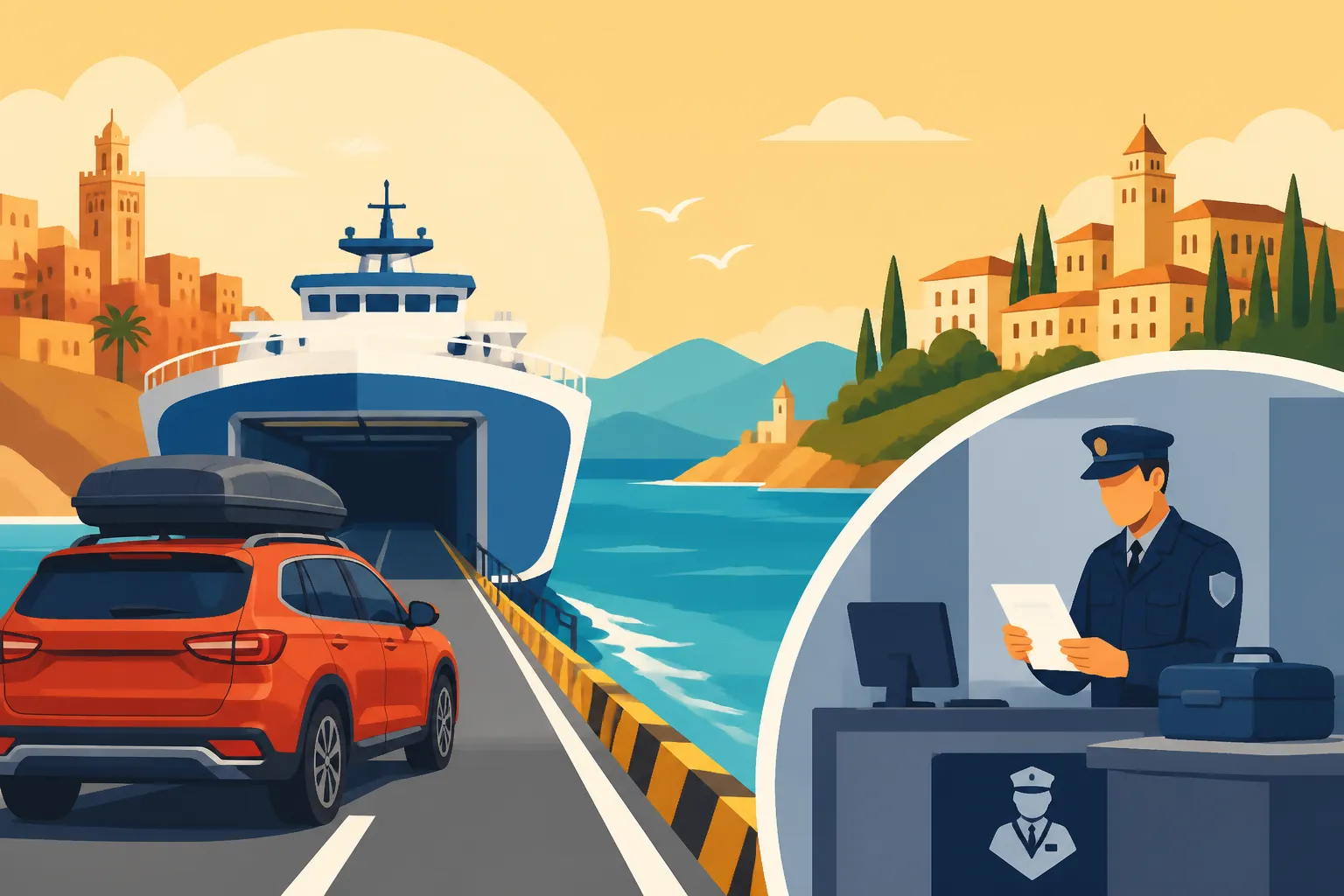
Many expats I've spoken to arrived thinking they could simply pack up their car, drive onto a ferry in Tangier Med, and breeze into Algeciras. The reality often hits hard at the port, where discrepancies in inventory lists, missing vehicle documentation, or simply not understanding the local customs process can lead to significant delays and unexpected costs. It's not just about getting your physical items from one place to another; it's about shifting your entire life's possessions through a formal international border, and that requires a very specific approach.
Navigating the Cultural and Administrative Divide
While Moroccan and Spanish cultures share some historical threads, the day-to-day administrative realities are worlds apart. Spain, like many European countries, has its own intricate bureaucratic dance, and it's one that often requires specific documents, formal processes, and a good dose of patience – not to mention a decent grasp of Spanish, or at least a good translator. This isn't just about obtaining a visa; it extends to every aspect of your move, including customs clearance.
You'll quickly find that even simple tasks can become complicated if you don't know the exact procedure or the correct terminology. Trying to self-manage customs forms for your household goods while simultaneously grappling with the initial steps of establishing residency in Spain, like getting your NIE, TIE & Empadronamiento: Essential IDs and Registrations in Spain, can quickly lead to burnout. It's crucial to acknowledge this and prepare for it, either by arming yourself with knowledge or, more practically, by seeking expert help to bridge this administrative gap.
Understanding Strait Crossings: Ferry Options and Vehicle Transport
The Strait of Gibraltar is the lifeline connecting Morocco and Spain, with several ferry routes facilitating the movement of people and goods. Choosing the right route and understanding the nuances of vehicle transport are critical first steps.
Key Ferry Routes and Operators
The primary routes for crossing the Strait are between Tangier Med (Morocco) and Algeciras (Spain), or the shorter, faster crossing from Tangier Ville (city port) to Tarifa (Spain). You also have options from Ceuta or Melilla, Spain's enclaves in North Africa, but these usually involve a prior journey within Morocco to reach them.
-
Tangier Med to Algeciras: This is arguably the most popular route for those bringing vehicles and substantial cargo. It's a longer crossing, usually around 1.5 to 2.5 hours, but the port of Tangier Med is designed for heavy freight and international traffic. Major operators like FRS, Balearia, and Trasmediterránea run frequent services on this route. The ferries are larger, offering more amenities, and are better equipped to handle large trucks and numerous cars. This is typically the route chosen by international moving companies.
-
Tangier Ville to Tarifa: This route is faster, often taking just under an hour, but it's generally geared more towards foot passengers and lighter vehicles. The port infrastructure might not be as accommodating for very large moving trucks, and ferry schedules can be more sensitive to weather conditions, particularly strong winds (Levante). FRS is a prominent operator here.
When planning, check the schedules and prices well in advance, especially during peak seasons like summer holidays or religious festivals, as these can impact availability and significantly increase costs. A reputable moving company, like those found through Sirelo, will have established relationships with these ferry operators and can secure the best rates and timings for your shipment, taking this considerable burden off your shoulders.
Transporting Your Vehicle Across the Strait
Bringing your vehicle from Morocco to Spain is a perfectly viable option, but it comes with its own set of administrative hurdles. It's not as simple as driving off the ferry; you'll face both Moroccan exit procedures and Spanish import regulations.
Firstly, you'll need the original registration documents for your vehicle, proof of ownership, a valid Moroccan driving license (and potentially an International Driving Permit), and sufficient insurance coverage for international travel. At the Moroccan port, you'll complete export declarations. Upon arrival in Spain, your vehicle will be temporarily imported under a specific customs procedure. This typically means you can use it for a limited period (often up to 6 months) while you process its full registration in Spain if you intend to become a resident.
The real challenge begins if you plan to keep your car in Spain permanently. This involves a process called "matriculation," which means registering it with the Spanish authorities. This includes a technical inspection (ITV), paying various taxes (registration tax, road tax), and potentially modifications to meet EU standards. The paperwork is extensive, requires multiple visits to different government offices like the DGT (Dirección General de Tráfico), and can be a significant expense. The good news is that if you use a professional moving service found via Sirelo, they often have partners or can directly assist with vehicle customs clearance, ensuring all necessary documentation is prepared correctly from the outset. This foresight can save you immense time and stress, preventing your car from getting stuck in customs limbo or incurring penalties. For more insights on driving in Spain, you might find our guide on Driving in Spain: Road Rules, Fines, and What Surprises Expats helpful.
Customs and Import Regulations: What You Can (and Can't) Bring
Understanding Spanish customs regulations is paramount for a smooth move. Getting this wrong can lead to delays, fines, or even confiscation of your belongings. Spain, as an EU member, adheres to EU customs law, which differs significantly from Moroccan regulations.
Personal Effects: Duty-Free Allowances and Documentation
The good news for most expats is the "transfer of residence" relief. If you're genuinely moving your primary residence to Spain from a non-EU country like Morocco, you can generally import your personal belongings duty-free and VAT-free. This isn't an automatic right, though; you have to meet specific conditions and prove your intention to reside in Spain.
The key conditions usually include:
- Establishing Residency: You must be legitimately moving your normal place of residence to Spain. This means you'll eventually obtain a visa and residency permit, like a Spain Visas & Residency: Complete Guide for Foreigners.
- Previous Residence: You must have lived outside the EU for at least 12 consecutive months prior to your move.
- Ownership: The goods must be personal to you, have been used by you, and owned for at least six months before your move. This typically excludes new items purchased specifically for the move.
- No Resale: You cannot sell, lend, or transfer the goods for at least 12 months after import.
The documentation required is extensive and must be precise. You'll typically need:
- Your NIE (Número de Identificación de Extranjero) or TIE (Tarjeta de Identidad de Extranjero). You'll need to know How to Get a Spanish NIE Number: In Spain vs Abroad and How to Get the TIE Card in Spain: Fingerprints, Fees, and Pickup.
- Proof of your previous residence in Morocco (e.g., utility bills, rental contracts, employment certificates covering the 12 months).
- Proof of your new residence in Spain (e.g., rental contract, property deed, certificado de empadronamiento). Our guide on Empadronamiento in Spain: How to Register Your Address can walk you through this.
- A detailed, itemized inventory of all your personal effects. This isn't just a list; it needs to be specific. "Box of kitchen items" won't cut it. "12 ceramic plates, 4 wine glasses, 1 coffee maker" is what customs officers are looking for. This inventory should be translated into Spanish by a sworn translator (traductor jurado).
- Your passport and other relevant visa/residency documents.
This is where professional movers truly earn their keep. They understand exactly what customs authorities require, can help you compile the inventory correctly, and will often submit the declarations on your behalf. Mistakes here can cause significant delays and may force you to pay duties you otherwise wouldn't have.
| Feature | DIY Move (Morocco to Spain) | Professional Mover (e.g., via Sirelo) |
|---|---|---|
| Customs Expertise | Requires deep personal research and understanding of EU/Spanish law. High risk of errors. | Experts handle all declarations, knowing specific requirements and tariffs. Low risk of errors. |
| Documentation | You are responsible for every document, translation, and form. | Moving company guides you, often prepares or checks documents, and manages submissions. |
| Vehicle Transport | Complex, requires knowledge of temporary import and matriculation processes. | Can arrange transport, temporary customs, and advise on full registration. |
| Logistics | Coordinating ferry, truck, packing, loading, unloading, storage. Very stressful. | One point of contact for all logistics, from door-to-door. Peace of mind. |
| Time Investment | Huge time sink for research, paperwork, and coordination. | Significant time savings; you focus on settling in. |
| Hidden Costs | High potential for unexpected duties, storage fees, or fines due to errors. | Transparent quotes, fewer unexpected charges, clear breakdown of services. |
| Physical Effort | Extremely demanding, especially for heavy items. | Professional packers and movers handle all physical aspects. |
Restricted and Prohibited Items: Avoiding Customs Headaches
Even with duty relief, certain items are restricted or outright prohibited from entering Spain (and the EU) from Morocco. Being aware of these can save you a world of trouble.
Common Restricted Items:
- Alcohol and Tobacco: While small quantities for personal use might be acceptable, anything beyond nominal amounts will incur significant duties and taxes. Be very careful about declaring these items accurately.
- Food Items: Fresh produce, meat, dairy, and certain plant products are often restricted or prohibited to prevent the spread of diseases. Packaged, non-perishable foods are generally fine, but always check specifics.
- Plants and Seeds: Strict phytosanitary regulations apply. Importing plants or seeds typically requires special certificates.
- Medications: Prescription medications should always be in their original packaging with a copy of the prescription and a doctor's note, especially if bringing larger quantities or controlled substances. Our guide on Traveling With Medication in Spain: Practical Carry‑On Tips offers more advice.
- Firearms and Ammunition: Highly regulated and usually prohibited without very specific permits, which are difficult to obtain for personal moves.
- Cultural Artifacts/Antiquities: Morocco has strict export laws regarding cultural heritage. Ensure you have proper permits if you're transporting any such items, as Spanish customs will be vigilant.
Prohibited Items:
- Illegal drugs, counterfeit goods, child pornography, and anything deemed a threat to public health, safety, or the environment are strictly prohibited.
Attempting to smuggle restricted or prohibited items, or simply failing to declare them properly, can lead to severe penalties, including hefty fines, confiscation of goods, and even legal action. This is precisely why engaging a professional moving company is not just a convenience, but a necessity for cross-continental moves. They have up-to-date knowledge of these regulations and can advise you on what can and cannot be moved, helping you avoid costly mistakes at the border. They’ll ensure your inventory is watertight and your declaration is impeccable.
The Bureaucratic Maze: Spanish Paperwork Post-Arrival
Once your belongings have successfully cleared customs and you've physically arrived in Spain, a whole new layer of bureaucracy awaits. This stage is about establishing your life as a new resident, and it's closely intertwined with the initial customs process.
Essential Documents for New Residents
Your success in Spain hinges on acquiring and maintaining several foundational documents. These aren't just for showing off; they're the keys to accessing services, signing contracts, and generally living a normal life.
First and foremost is your NIE (Número de Identificación de Extranjero). This is your unique foreigner identification number, essential for virtually everything in Spain – from opening a bank account to signing a mobile phone contract, and yes, even for customs declarations of your personal effects. You'll likely apply for this early in your visa process or upon arrival. Closely related, if you're staying long-term, is your TIE (Tarjeta de Identidad de Extranjero), which is your physical residency card. The TIE proves your legal residence and will have your NIE printed on it. Getting your fingerprints taken for the TIE card is often an appointment in itself, and slots can be notoriously hard to get.
Then there's the Empadronamiento. This is your registration on the local town hall census (padrón municipal). It's incredibly important because it officially registers your address in Spain, which is often required for other administrative tasks, like applying for your local health card, enrolling children in school, or even voting in local elections. It’s also often a necessary document for proving your residency for the "transfer of residence" customs relief. Failing to get your empadronamiento early can hold up other essential processes, creating a frustrating domino effect. To navigate these initial administrative hurdles, our comprehensive guide on Spanish Bureaucracy for Daily Life: Padrón, IDs, and Local Services offers invaluable insights.
Registering Your Vehicle in Spain
If you decided to bring your Moroccan vehicle with you and plan to keep it in Spain permanently, you cannot simply continue driving it on its Moroccan plates indefinitely. You must go through the process of matriculación, which means registering it with Spanish plates. This is distinct from the initial customs clearance.
The matriculación process is complex and costly. It involves:
- Technical Inspection (ITV): Your vehicle must pass a Spanish ITV, which is more rigorous than a standard check and often requires modifications to meet EU emissions and safety standards, particularly for older vehicles.
- Taxes: You'll pay a matriculation tax (Impuesto de Matriculación) which varies based on the vehicle's CO2 emissions and value, and an annual road tax (Impuesto de Circulación) to your local ayuntamiento.
- Documentation: You'll need an array of documents, including the original Moroccan registration, proof of ownership, your NIE, empadronamiento, and the ITV certificate.
- DGT Registration: Finally, you'll register the vehicle with the Dirección General de Tráfico (DGT), the Spanish traffic authority, to obtain your Spanish plates and registration card.
This whole procedure can take several weeks or even months and can easily cost upwards of a thousand euros, sometimes much more depending on the car's age, type, and necessary modifications. Many expats eventually decide it's more practical to sell their Moroccan car and buy a Spanish one, especially if their vehicle is older or doesn't easily meet EU standards. If you do go this route, be sure to check our resources on Exchanging a Foreign Driver’s License in Spain: Eligibility and Steps to ensure you can legally drive once you have Spanish plates.
Simplifying Your Move with Professional Assistance
Moving internationally is a Herculean task, and adding the Strait crossing and complex customs between Morocco and Spain only amplifies the challenge. Trying to go it alone, while admirable, can often lead to more stress, hidden costs, and delays than simply getting professional help. This is where services like Sirelo become an absolute game-changer.
Why a Moving Company is Essential for Cross-Strait Moves
Let's be brutally honest: the DIY approach for a move of this magnitude is usually a recipe for disaster. The sheer volume of regulations, documentation, and coordination required for a Morocco-Spain relocation is immense. Think about it: you're not just moving from one city to another within the same country. You're dealing with different languages, different legal systems, and different governmental agencies that don't always communicate smoothly with each other.
A professional international moving company specializes in precisely these challenges. They possess the expertise in international customs law for both Morocco and Spain, ensuring your personal effects meet all import requirements for duty-free status. They know the ferry logistics inside out, often securing better rates and more reliable timings than an individual could. They handle the meticulous packing, inventory creation, loading, and unloading, reducing the risk of damage to your cherished belongings. Most importantly, they provide peace of mind. Instead of spending sleepless nights worrying about whether your paperwork is correct or if your possessions will be stuck at the port, you can focus on the exciting prospect of starting your new life in Spain.
Imagine the scenario: you're at the Spanish border, exhausted after a long journey, and customs flags an issue with your inventory. If you're alone, you're now facing a language barrier, a bureaucratic puzzle, and potentially fines. With a professional mover, they're the ones communicating with customs, leveraging their knowledge and experience to resolve issues quickly and efficiently, often before you even know about them. This value is truly immeasurable.
How Sirelo Connects You to the Right Experts
This is where Sirelo shines as your ultimate moving companion. Sirelo isn't a moving company itself; it's an online platform that acts as a bridge, connecting you with reputable, pre-vetted international moving companies that specialize in routes like Morocco to Spain. Think of it as your personal moving matchmaker, designed to simplify the daunting process of finding the right mover.
Here's how Sirelo works its magic: You input your moving details – origin, destination, estimated volume of goods, and any specific needs like vehicle transport. Sirelo then taps into its network of trusted partners and provides you with multiple, no-obligation quotes from different moving companies. This allows you to compare prices, services, and read reviews, ensuring you choose a mover that fits your budget and specific requirements.
The benefits of using Sirelo are manifold:
- Vetted Professionals: You're not just picking a name out of a hat. Sirelo's partners are experienced, reliable, and equipped to handle the complexities of cross-continental moves.
- Competitive Pricing: By receiving multiple quotes, you can compare and choose the most cost-effective solution without sacrificing quality. This competitive environment works in your favor.
- Tailored Services: Whether you need full-service packing, customs clearance assistance, specialized transport for fragile items, or help with vehicle shipping, you can find a company that offers precisely what you need through Sirelo.
- Expert Guidance: The movers you connect with via Sirelo are experts in the Morocco-Spain corridor. They understand the intricacies of customs regulations, local transport logistics, and the specific documentation required, ensuring a smoother journey for your belongings.
Choosing a mover through Sirelo means you're not just hiring someone to lift boxes; you're gaining a partner who will navigate the bureaucratic and logistical complexities on your behalf. This significantly reduces your stress and minimizes the potential for costly errors, making your move to Spain from Morocco a far less daunting prospect.
Practical Tips for a Smooth Transition
Even with professional help, an international move requires your active participation. A few proactive steps can make a world of difference.
Planning and Timing Your Move
The golden rule of international relocation is plan, plan, plan. Start early – ideally six months to a year before your intended move date. This gives you ample time to declutter, get quotes from movers (especially through platforms like Sirelo), gather documents, and handle visa applications. Last-minute moves are always more expensive and stressful.
When it comes to timing, be strategic. Avoid peak holiday seasons in both Morocco and Spain if possible (e.g., summer, Christmas, Eid al-Adha, Semana Santa). Ferry prices and availability can skyrocket, and customs offices might have reduced staffing, leading to potential delays. Consider the weather too; moving during the sweltering Spanish summer can be physically draining, especially if you're doing any self-packing or unloading. A move in spring or autumn generally offers milder temperatures and potentially lower costs. Discuss ideal timing with your chosen moving company from Sirelo, as they often have insights into seasonal shipping flows and port congestion.
Language and Local Support
While many people in tourist areas of Spain speak English, particularly in larger cities like Barcelona or Madrid, official interactions will almost always be in Spanish. It's a huge advantage if you can learn some basic Spanish phrases before you arrive. Even simple greetings and polite requests can go a long way in navigating daily life. Our guide on How to Ask for an English‑Speaking Doctor Appointment in Spanish (Phrase Guide) has some great starting points.
However, for critical administrative tasks like customs clearance, property contracts, or setting up utilities, relying solely on your nascent Spanish skills or even Google Translate can be risky. This is another area where professional assistance, such as an interpreter, a gestor (administrative assistant), or a moving company with multilingual staff, becomes invaluable. They can ensure accurate communication with officials, prevent misunderstandings, and streamline processes that might otherwise become frustrating language barriers. Remember, Spain's bureaucracy can be challenging even for natives, so having local support on your side is a huge asset.
Disclaimer
Please note that the information provided in this article is intended for general guidance only and does not constitute legal or professional advice. Immigration laws, customs regulations, and administrative procedures in Spain are subject to change and can vary based on individual circumstances. We strongly recommend consulting with a qualified immigration lawyer, a tax advisor, and a professional moving company (such as those found through Sirelo) for personalized advice pertaining to your specific relocation from Morocco to Spain.