Moving to Spain from Argentina: Long-Haul Options for Relocating Families
Disclosure: This article contains affiliate links. If you buy through them, we may earn a commission at no extra cost to you. Read our full disclosure.
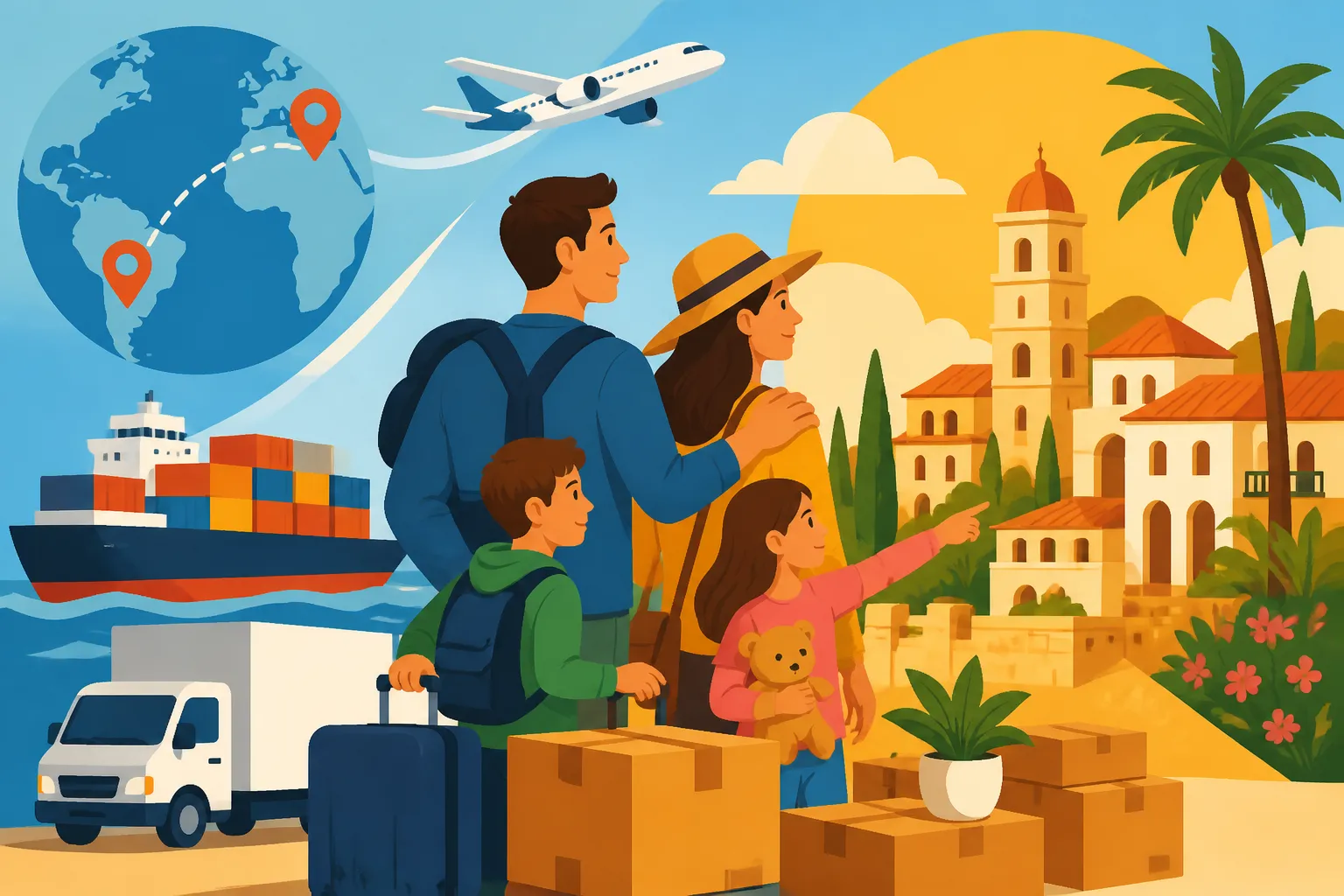
Moving your entire family across an ocean, from the familiar streets of Argentina to the vibrant culture of Spain, feels less like a simple relocation and more like launching a small, very personal spaceship. It’s overwhelming, exhilarating, and frankly, terrifying all at once. This guide is here to cut through the noise, validate your very real anxieties, and give you a comprehensive, step-by-step roadmap for making that long-haul move with your loved ones a reality, focusing on the practicalities and easing your mind.
The Emotional and Logistical Rollercoaster: Why Moving from Argentina to Spain is Unique
Let's be honest, moving is hard. Moving internationally? That's a whole new level of complexity. And moving your family from Argentina to Spain? That comes with its own unique set of emotional and logistical hurdles. You're not just changing addresses; you're uprooting lives, adapting to new systems, and managing everyone's expectations and anxieties, often in a language that, while familiar, still holds its own nuances.
Bridging Cultures and Expectations
The cultural bridge between Argentina and Spain might seem short on the surface, given the shared language and historical ties. But don't be fooled; there are subtle yet significant differences that can throw you off. Argentinian warmth and directness might sometimes clash with Spanish formality in administrative settings, or vice-versa in social situations. For families, this means navigating things like school systems that operate differently, social norms for kids, and even the pace of daily life. For instance, the Spanish "mañana" isn't quite the same as the Argentinian "después," and getting things done often requires a level of patience that can test anyone’s limits. You might expect similar food, but even the dulce de leche here isn't quite the same as what you're used to back home! It's important to prepare yourselves and your children for these subtle shifts, so they don't feel like a constant battle, but rather an exciting adventure in understanding a new facet of their heritage.
The Bureaucratic Maze for Argentinian Nationals
Ah, bureaucracy. It's the expat's favorite adversary, isn't it? As Argentinian citizens, you'll be navigating a specific set of rules when it comes to Spain visas and residency. While some Latin American countries have agreements for easier residency, Argentina generally requires you to apply for a standard visa that fits your purpose (non-lucrative, work, student, or even the newer digital nomad visa). This means gathering an extensive pile of documents, often requiring sworn translations and apostilles, and dealing with consulate appointments that can be few and far between. It’s a process that demands meticulous organization, foresight, and a generous dose of good humor. Missing one tiny document can set your application back months, creating immense stress when you’re trying to coordinate a family move. It's not just about getting your paperwork in order; it's about getting everyone's paperwork in order – passports, birth certificates for the children, marriage certificates, and all the financial proofs needed to show you can support your family without immediately becoming a burden on the Spanish state.
Navigating Visa and Residency Pathways for Argentinian Families
Before you even start packing, understanding the visa and residency options is paramount. This is where most families either succeed or get bogged down. The key is to find the pathway that best suits your family's specific circumstances and financial situation.
Popular Visa Options for Argentinian Families
For Argentinian families looking to relocate to Spain, there are several common visa pathways, each with its own set of requirements and benefits. It’s crucial to understand these thoroughly to avoid delays and ensure a smooth transition. Remember, getting your visa approved at the Spanish Consulate in Argentina is the first major hurdle.
- Non-Lucrative Visa (NLV): This is a classic for many, especially if you have passive income or significant savings. The Non-Lucrative Visa for Spain allows you to reside in Spain without working, provided you can demonstrate sufficient financial means to support your family. For a family of four, this means proving an income of roughly 400% of the IPREM (Indicador Público de Renta de Efectos Múltiples) for the main applicant, plus an additional 100% of the IPREM for each dependent. You’ll need bank statements showing consistent funds, usually for the last 12 months, and often a private health insurance policy for the entire family that meets specific Spanish requirements and covers you fully without co-pays or waiting periods. The biggest challenge here is not being able to work, which can be a deal-breaker for many families who need active income. It's a great option for those who are retired or have significant investments.
- Digital Nomad Visa: Spain's Digital Nomad Visa is a more recent and increasingly popular option for those who work remotely. If you or your spouse are employed by a company outside of Spain or are self-employed with clients primarily outside of Spain, this visa could be a fantastic fit. It generally requires you to earn at least 200% of the national minimum wage (which fluctuates, so always check the latest figures), plus an additional percentage for each family member. This visa specifically allows you to work while residing in Spain, which is a huge advantage for many families. You'll need to prove your remote work status, provide a contract from your foreign employer or show proof of self-employment and client contracts, and again, obtain comprehensive private health insurance. This route offers a clear path to integrate into the economy while enjoying life in Spain.
- Work Visa (Visa de Trabajo): If one parent has secured a job offer from a Spanish company, this is the most direct route. The Spanish company applies for the work permit on your behalf, and once approved, you then apply for the visa at the consulate. The requirements for this visa are less about proving your financial independence and more about the validity of the job offer and the employer's need for your skills. It also includes social security contributions from day one, which is a major benefit for accessing public healthcare. The challenge, of course, is securing that job offer from Spain while still in Argentina, often in a competitive market.
- Family Reunification Visa: This option is for family members (spouse, children) of someone who already holds a valid residency permit in Spain. If one parent has already established residency, the others can apply to join them. The primary resident must demonstrate sufficient financial means and adequate housing for the entire family. This often comes into play if one partner moves ahead to secure a job or another visa, and then brings the rest of the family later.
When you're dealing with these applications, every single detail matters. For a deep dive into what you need for each permit, I highly recommend checking out our comprehensive guide on Spain Visas & Residency: Complete Guide for Foreigners.
Essential Documentation and Apostille Process
Once you've chosen your visa pathway, the real document hunt begins. You'll need originals and copies of virtually everything, and most documents issued in Argentina will need to be apostilled and translated by a sworn translator (traductor jurado) in Spain or by an authorized sworn translator in Argentina. The Apostille of The Hague is crucial; it certifies the authenticity of public documents issued in one signatory country (like Argentina) for use in another (like Spain).
Here's a general checklist of common documents you'll likely need for each family member:
- Passports: Valid for at least one year beyond your intended stay.
- Birth Certificates: For all children.
- Marriage Certificate: If applicable.
- Criminal Record Certificates: For all adults, from Argentina and any other country you've resided in for the past five years. These usually have a limited validity period, so time your requests carefully.
- Proof of Funds: Bank statements, investment portfolios, proof of pension, job contracts – whatever demonstrates your financial capacity.
- Private Health Insurance: A policy from an approved Spanish insurer that meets visa requirements.
- Medical Certificate: Certifying you are free from any diseases that could have serious public health implications.
- Application Forms: Duly filled out and signed.
- Passport Photos: Meeting Spanish consulate specifications.
The process of getting apostilles in Argentina can take time, so don't leave it to the last minute. Similarly, finding a sworn translator can also have lead times. Planning this stage meticulously will save you immense stress down the line. You can find more specific advice on what’s needed in our guide to Spain Visa Translations & Apostilles: What Needs Legalization?.
Shipping Your Life: Long-Haul Moving Options and Costs
This is where the physical reality of moving truly hits home. How do you get all your belongings, your cherished family memories, from Buenos Aires to Barcelona or Córdoba to Cádiz? This is a massive undertaking, and choosing the right international moving company is paramount. This is also where a platform like Sirelo can be your absolute hero.
Choosing Your International Moving Company with Sirelo
The thought of packing up an entire household, including children's toys, furniture, and all the sentimental items, and sending it thousands of miles away is daunting. You need a reliable partner, and that's precisely what Sirelo helps you find. Instead of hunting down individual quotes from dozens of companies, Sirelo allows you to compare multiple international moving quotes from vetted and trusted movers specializing in routes from Argentina to Spain. This platform is a lifesaver because it simplifies the often-opaque process of international relocation. You can get a clear overview of costs, services, and even reviews from other expats who've made similar moves, ensuring you make an informed decision for your family.
When you use Sirelo, you'll submit details about your move: your current location in Argentina, your destination in Spain, the estimated volume of your belongings, and your preferred moving date. Within a short time, you’ll start receiving competitive quotes from reputable international movers. This not only saves you countless hours of research but also provides peace of mind knowing you’re dealing with experienced professionals. Don't underestimate the value of transparency and comparison, especially when dealing with such a significant financial and logistical commitment.
Shipping Methods: Sea Freight vs. Air Freight
When it comes to actually moving your stuff, you'll generally choose between sea freight and air freight, or a combination of both.
- Sea Freight (Maritime Shipping): This is by far the most common and cost-effective option for families moving a substantial volume of belongings.
- Full Container Load (FCL): If you have a large household, you might opt for a dedicated container (20-foot or 40-foot). This means your belongings are the only ones in the container, which can offer faster transit times (for sea freight standards) and reduce the risk of damage or mix-ups. It's more expensive than shared options but offers exclusivity and peace of mind.
- Less than Container Load (LCL): For smaller moves, or if you don't have enough to fill an entire container, your goods will be consolidated with other shipments heading to Spain. This is a cost-effective choice but can mean longer transit times as the container needs to be filled and then deconsolidated at the destination.
- Pros: Significantly cheaper for larger volumes, good for heavy or bulky items (furniture, appliances). More environmentally friendly.
- Cons: Much slower (typically 4-8 weeks, sometimes more, depending on port and customs clearance). Less flexible with delivery dates. You'll need to live without your main belongings for a considerable period.
- Air Freight: This is the fastest method, ideal for urgent items or smaller, high-value boxes.
- Pros: Speed (a few days to a couple of weeks). Great for essentials you need immediately upon arrival (e.g., specific medications, important documents, a few favorite toys for the kids).
- Cons: Very expensive, especially for bulky items. Costs are calculated by weight or volumetric weight, whichever is greater. Not practical for an entire household.
Many families opt for a hybrid approach: sending essentials by air freight and the bulk of their belongings by sea freight. This ensures you have what you need to set up immediately, while the rest of your home makes its journey. Always clarify what is included in the quotes from Sirelo's partners: door-to-door service, packing, customs clearance, insurance, and unpacking at the destination. These details can drastically affect the final price and your overall experience.
Here’s a quick comparison:
| Feature | Sea Freight (LCL/FCL) | Air Freight |
|---|---|---|
| Cost | Lower, especially for large volumes | Much higher, based on weight/volume |
| Speed | Slow (4-8+ weeks) | Fast (3-14 days) |
| Volume | Ideal for full households, furniture, heavy items | Best for small, urgent, or high-value items |
| Flexibility | Less flexible, longer lead times | More flexible, quicker turnaround |
| Environmental | More eco-friendly | Higher carbon footprint |
| Risk | Generally low, but longer transit means more handling | Low, but less robust packaging might be needed |
Customs, Duties, and Restrictions
Navigating customs is often the most confusing part of international shipping. When moving from Argentina to Spain, you’ll be dealing with Spanish customs regulations. While personal effects are generally exempt from duties if you are moving your primary residence and have owned the items for at least six months, strict rules apply. You will need to provide:
- Proof of Residency in Spain: Your visa and residency card (TIE) or proof that it's in process.
- Inventory List (Lista de Enseres): A detailed, itemized list of everything you are shipping. This must be accurate and often needs to be signed and stamped by the Spanish consulate in Argentina before you ship. Do NOT undervalue items or provide vague descriptions; this can lead to delays or fines.
- Proof of Purchase Dates: Sometimes required for higher-value items to prove you've owned them for over six months.
Certain items are prohibited or restricted, such as weapons, narcotics, protected wildlife products, and sometimes even specific food items. Tobacco and alcohol may have limits or incur duties. Always check the latest Spanish customs regulations and discuss your inventory with your chosen moving company from Sirelo to ensure compliance. They will be experienced in what Argentinian families typically bring and what the Spanish authorities look for.
A common pitfall is misunderstanding the timeframe for customs clearance. Even with all your documents in order, delays can occur. Factor in an extra week or two beyond the estimated transit time for your belongings to clear customs and be delivered to your new Spanish home.
Financial Planning for a Family Relocation
Moving a family long-distance is not cheap. Beyond the shipping costs facilitated by platforms like Sirelo, you’ll need to meticulously plan your finances to cover everything from visa fees to setting up your new home.
Budgeting for the Initial Costs and Beyond
Creating a realistic budget is crucial. Many expats underestimate the initial outlay needed before a stable income stream is established in Spain. Here’s a breakdown of common costs:
- Visa Application Fees: These vary by visa type and number of applicants. Don't forget the sworn translation and apostille costs for all your documents, which can quickly add up.
- Flights: For the entire family, often purchased last minute or without flexibility.
- Moving Costs: This is your major expense, covered by the quotes you'll get through Sirelo. Don't forget transit insurance!
- Temporary Accommodation: Before you find permanent housing, you'll need a place to stay. This could be a short-term rental or an Airbnb for a few weeks, especially critical with children.
- Security Deposits and First Month's Rent: For your long-term rental, you'll typically pay a deposit (fianza) of one month's rent, plus potentially an additional guarantee (garantía adicional) of one or two months, plus the first month's rent upfront. So, you might need 3-4 months' rent in savings just to secure a place. You can learn more about this in our guide on Renting in Spain: Contracts, Deposits, and Tenant Rights.
- Utilities Setup: Connecting electricity, water, and internet will have activation fees.
- School Enrollment Fees: If choosing private or international schools, these can be substantial.
- Healthcare: If you're on a private health insurance plan, you'll need to budget for monthly or annual premiums. Our article on Health Insurance in Spain: Options for Residents, Students, and Families can help you compare.
- Living Expenses: Groceries, transport, initial furniture purchases, and unexpected costs will all drain your starting capital.
- NIE and TIE Card Fees: Small but necessary fees for these essential identification documents.
It’s often recommended to have at least 3-6 months' worth of living expenses saved up after covering all relocation costs. This buffer provides invaluable peace of mind during the inevitable adjustment period. Our guide on the Cost of Living in Spain: Realistic Budgets and Savings Tips can provide more detailed insights.
Opening a Spanish Bank Account
As soon as you arrive and obtain your NIE (Número de Identificación de Extranjero), one of your top priorities should be opening a Spanish bank account. This is essential for receiving income, paying bills, and managing daily finances. While some banks allow non-residents to open basic accounts with just a passport, a full resident account with an NIE is much more practical and often has fewer fees.
Most major Spanish banks (like BBVA, Santander, CaixaBank, N26, or Sabadell) cater to expats, with varying levels of English-speaking staff and online services. You'll typically need your passport, NIE number, and proof of address in Spain (like your empadronamiento or rental contract). Some banks might also ask for proof of income.
Having a local bank account simplifies so many aspects of life in Spain, from setting up direct debits for utilities to receiving your salary. It also shows local authorities and landlords that you are integrating into the financial system, which can be helpful. For detailed steps, check out our guide on Opening a Bank Account in Spain: Step-by-Step for Foreigners.
Settling In: Schools, Healthcare, and Finding Your Community
Once the big move is done, and your family is finally in Spain, the real work of settling in begins. This means navigating the local systems for your children's education, ensuring access to healthcare, and building a supportive community.
Enrolling Children in Spanish Schools
One of the most significant considerations for relocating families is schooling. Spain offers a few options:
- Public Schools (Colegios Públicos): These are free for residents, with excellent standards in many areas. The curriculum is entirely in Spanish (and the regional co-official language, if applicable, like Catalan or Valencian). For Argentinian children, the language barrier might be less severe than for other nationalities, but adapting to a new system and accent will still take time. Enrollment usually happens through your local Ayuntamiento (city hall) and is based on your empadronamiento (proof of residence). Be aware that school years run from September to June, and application deadlines are typically in spring, so plan ahead. You can find more information in School Enrollment in Spain: Registration Steps for Foreign Families.
- Concertado Schools (Colegios Concertados): These are partially funded by the state but privately managed, often with a religious affiliation. They have lower fees than fully private schools but still offer a structured environment. Admissions can be competitive.
- Private/International Schools (Colegios Privados/Internacionales): These are entirely privately funded and often offer curricula in English or other languages (e.g., British, American, French, German systems). They can be very expensive but offer continuity if your children are already in an international system or if you prefer an English-speaking environment. They also often have excellent support for children new to Spain.
The choice largely depends on your budget, your children's age, and your long-term plans. Integrating into a local public school can be a fantastic way for children to quickly pick up the language and immerse themselves in Spanish culture, but it can be challenging initially. Consider visiting schools if possible before making your final decision.
Accessing Healthcare for Your Family
Healthcare is a top priority for any family. Spain boasts an excellent public healthcare system, which is generally accessible to residents who are working and contributing to social security, or those on certain types of visas.
- Public Healthcare: If you or your spouse are working with a Spanish contract, you’ll be contributing to social security (Seguridad Social) and thus eligible for public healthcare. Your children will also be covered under your entitlement. To access this, you'll need to register at your local Centro de Salud (health center) and obtain your tarjeta sanitaria (health card). This process requires your TIE and empadronamiento. While the quality is high, be prepared for potentially longer waiting times for specialist appointments. Our comprehensive guide on the Spain Healthcare System for Expats: Public vs Private explains this in detail.
- Private Health Insurance: For those on Non-Lucrative or Digital Nomad Visas, private health insurance is a requirement. Even if you're eligible for public healthcare, many expats opt for private insurance for benefits like shorter waiting times, direct access to specialists, and English-speaking doctors. When choosing a private policy, ensure it covers all your family members and meets your specific needs. Look for policies with no co-payments (sin copago) and full coverage, which is often a visa requirement.
It’s crucial to understand your healthcare options from day one. Knowing that your family is covered for any eventuality will alleviate a huge burden.
Building Your Support Network and Community
Moving is tough, and it's even tougher without a support system. For families, finding a community is vital for both parents and children.
- Expat Groups: Spain has a thriving expat community. Look for Facebook groups, Meetup events, or online forums for Argentinians in Spain or general expat groups in your specific city. These can be invaluable for advice, making friends, and finding playdates for your kids.
- School Communities: Whether public or private, the school community can be a great place to connect with other parents. Attend school events, volunteer, and get involved.
- Local Activities: Enroll your children in sports clubs, art classes, or scout groups. This not only helps them make friends but also provides opportunities for you to meet other local parents.
- Language Exchange (Intercambio): If your Spanish isn't fluent, seek out language exchange partners. This is a fantastic way to improve your Spanish and meet locals who are interested in practicing English or learning about Argentinian culture.
- Neighborhood Connections: Don't underestimate the power of your local park, plaza, or even the corner café. Spanish communities are often very social, and a friendly face can quickly lead to an introduction.
It takes time to build a community, but actively seeking out connections will make your family's transition much smoother. Remember, everyone here was new once, and many expats are eager to help others settle in.
Making the Move Smoother: Tips from an Expat
Having been through the expat journey myself, I know that little tips and tricks can make a world of difference. Here are a few final pieces of advice to smooth your family's relocation from Argentina to Spain.
Prepare for the Unexpected
Even with the most meticulous planning, things will go wrong. Documents will be delayed, appointments will be canceled, and you'll hit bureaucratic roadblocks. The best preparation is mental. Cultivate patience, flexibility, and a sense of humor. Teach your children to embrace change and view challenges as part of the adventure. Having a backup plan for crucial items (like a temporary wardrobe or essential documents in digital and physical copies) can also save you headaches. Families can get completely derailed by a single missing signature, so expect the unexpected and try not to let it consume you.
Prioritize and Declutter Ruthlessly
This is a long-haul move, and every extra kilo or cubic meter adds to the cost and complexity. Before you even think about getting quotes from Sirelo partners, go through everything. Ask yourself: "Do we truly need this? Can it be replaced easily in Spain? Does it hold significant sentimental value?" Children's toys, especially, can accumulate. Encourage them to help declutter, choosing a select few cherished items to bring. Consider selling larger items like furniture in Argentina and buying new or second-hand items in Spain. This can sometimes be cheaper than shipping, depending on the item and the shipping method. Remember, you're not just moving things; you're creating space for new experiences.
Lean on Professional Help
You don't have to do this alone. There are professionals who specialize in different aspects of relocation:
- Immigration Lawyers/Gestors: While this guide offers a lot of information, specific family situations can be complex. An immigration lawyer or gestor (administrative consultant) specializing in expat services can be invaluable for navigating the visa process, especially if you have unique circumstances or simply want peace of mind.
- Relocation Consultants: Some companies specialize in helping families settle in, offering services from finding schools to connecting utilities.
- Your Moving Company (found via Sirelo): A good international moving company does more than just transport your goods. They can advise on packaging, customs documentation, and often have local partners in Spain to assist with delivery and unpacking. When you use Sirelo to find your mover, you're tapping into a network of professionals who understand the entire process, not just the physical move. They are well-versed in the specifics of moving from Argentina to Spain and can guide you through the process, helping with customs paperwork and ensuring your belongings reach you safely. Don't hesitate to ask them all your questions; that's what they're there for!
Moving from Argentina to Spain is an incredible adventure, full of challenges and immense rewards. By meticulously planning, understanding the bureaucratic steps, choosing the right support (like a reliable moving company from Sirelo), and maintaining a positive attitude, your family can successfully transition to your new life in España. ¡Mucha suerte y bienvenido a España!
Disclaimer
The information provided in this guide is for general informational purposes only and does not constitute legal, financial, or immigration advice. While we strive to keep the information up-to-date and correct, regulations and processes in Spain can change rapidly. Readers are strongly advised to consult with relevant legal, financial, immigration, and moving professionals for advice tailored to their specific situation before making any decisions related to their relocation.