Why Do Shops in Spain Close in the Afternoon?
Ah, the afternoon shop closure in Spain! If you're new to this beautiful country, you've undoubtedly experienced that moment of frustration: you've finally finished your morning errands, decided to pop into that cute boutique or hardware store, only to find the "Cerrado" sign firmly in place, often with a little handwritten note about returning at "5 PM." It's a classic expat rite of passage, and trust me, you're not alone in wondering, "Why on earth do shops in Spain close in the afternoon?" This guide will unravel the mystery, explore its historical roots, detail what you can expect to find open (and closed), and arm you with practical strategies to navigate this quintessential Spanish rhythm.
Disclosure: This post may contain affiliate links. We may earn a commission at no extra cost to you if you make a purchase through these links. Read full disclosure.
The Enduring Roots of the Spanish Afternoon Break
The tradition of shops closing in the afternoon in Spain isn't some arbitrary inconvenience; it's deeply ingrained in the country's history, climate, and cultural values. It's far more than just "siesta" time, a term often misunderstood by those outside of Spain.
Historical and Climate-Driven Origins
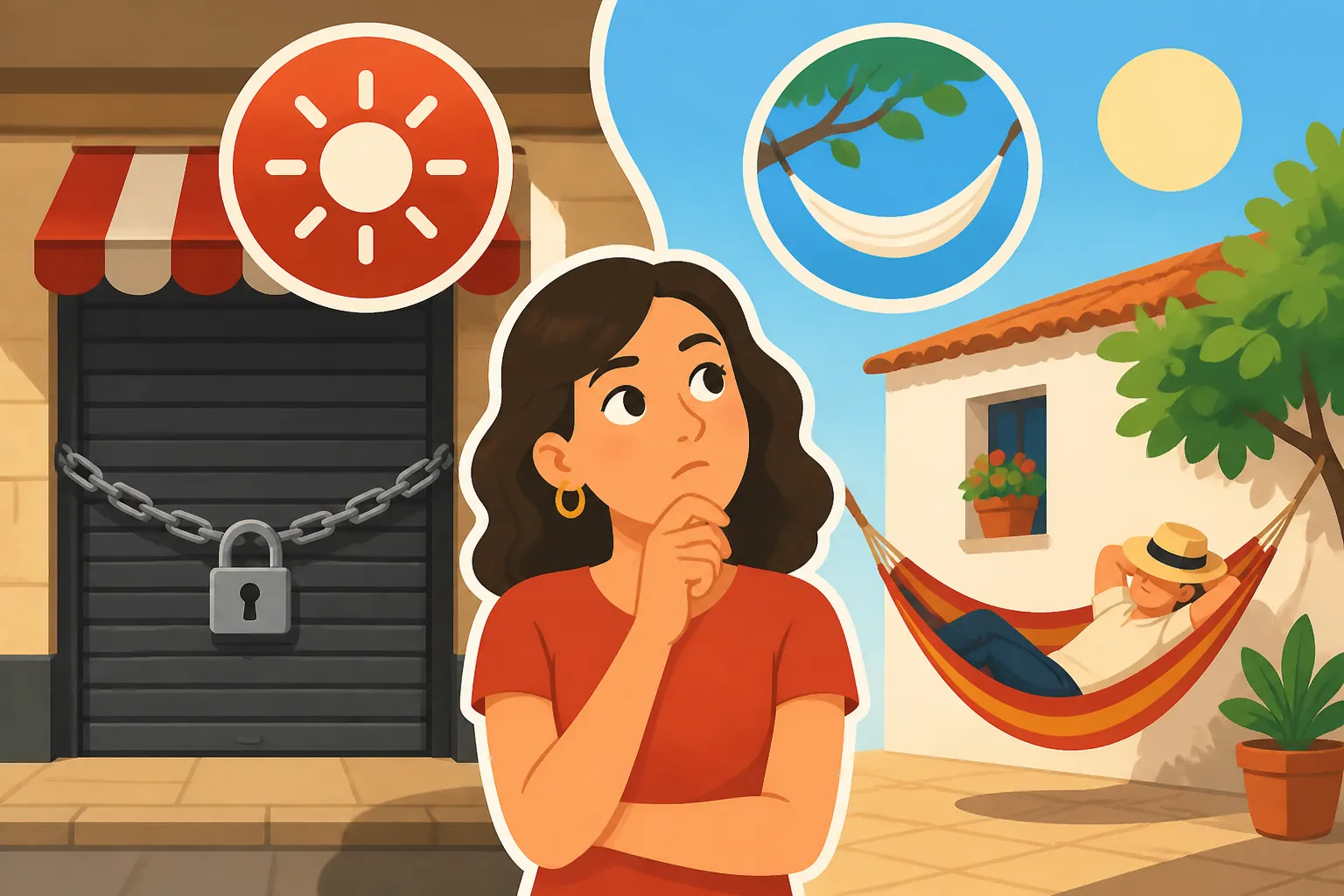
Imagine Spain centuries ago, an agrarian society where life revolved around the sun and the seasons. The brutal midday heat, particularly in central and southern Spain during summer, made outdoor labor unbearable and unproductive. Farmers, laborers, and even artisans would naturally seek respite during the hottest hours, from roughly 2 PM to 5 PM. This wasn't just for comfort; it was a matter of survival and efficiency. Working through the intense sun was dangerous and exhausting. Shops, being part of this communal rhythm, simply followed suit. They would close their doors, allowing owners and staff to escape the heat, share a meal, and rest before reopening when the temperatures became more agreeable in the late afternoon. This historical precedent cemented the split workday, known as jornada partida.
This practice also allowed families to share their main meal of the day together. Unlike many other cultures where lunch is a quick bite, in Spain, comida (lunch) is traditionally the largest and most important meal, often involving multiple courses and lasting an hour or more. This long, leisurely meal with family or colleagues reinforced the social fabric and provided a necessary break from the day's demands.
The Sacred Spanish Lunch Break
When we talk about afternoon closures, many foreigners immediately think "siesta," implying a nap. While some certainly do rest, the core of the afternoon break, especially for business owners and employees, is actually centered around a substantial lunch. The Spanish lunch is not just about sustenance; it's a social occasion. People typically leave work, go home, or meet friends and family for this meal. It's a time to decompress, connect, and enjoy food and conversation, often accompanied by a glass of wine or beer. This prolonged mid-day break means returning to work immediately isn't feasible or desired.
This tradition holds strong in many smaller, family-run businesses (the tiendas de barrio) and independent shops. The owner might live upstairs or just a few blocks away, making it easy to close up, go home for lunch with their family, and then return later. It's a lifestyle choice, deeply valued, and one that many small business owners are reluctant to give up, even if it means slightly reduced trading hours compared to other countries.
Evolution and Modern-Day Adaptations
While the tradition persists, especially in smaller towns and certain sectors, Spain is not entirely stuck in the past. In larger cities like Madrid, Barcelona, Valencia, and in major tourist zones, there's been a noticeable shift towards continuous opening hours (horario continuado or jornada intensiva). This is particularly true for:
- Large Supermarkets: Chains like Mercadona, Carrefour, and Lidl almost universally operate continuously from morning until night, often from 9 AM or 9:30 AM until 9 PM or 10 PM.
- Department Stores: El Corte Inglés, Spain's iconic department store, is a prime example of continuous opening, often open from 10 AM to 10 PM.
- Shopping Centers (Centros Comerciales): These modern complexes are designed for continuous shopping and entertainment, typically open all day, every day, including many Sundays, especially in designated "tourist zones" or during peak seasons.
- International Chains: Global brands in fashion, electronics, and other sectors often adopt continuous hours to align with international retail practices and cater to broader customer demands.
So, while the idea of afternoon closures is quintessential Spain, it's really more prevalent among independent, traditional shops and in less urbanized areas. It's a patchwork, and understanding this nuance is key to navigating your daily life here.
What You Can Expect to Close (and What Stays Open)
Navigating the ebb and flow of Spanish opening hours can feel like a game of chance at first. But with a little knowledge, you'll quickly learn where to direct your afternoon errands.
Traditional Shops and Services: The "Closed" List
The places most likely to take a lengthy afternoon break are:
- Local Boutiques and Independent Stores: This includes clothing shops, gift shops, artisan craft stores, and smaller electronics shops. If it's a unique, family-run establishment, chances are high it will close.
- Hardware Stores (Ferreterías): Need a new lightbulb or a drill bit? Better get it before 2 PM or wait until 5 PM.
- Small Bakeries and Pastry Shops (Panaderías y Pastelerías): While they open early, many will close after the morning rush and reopen for an evening round of fresh bread.
- Pharmacies (Farmacias): This is where it gets a bit tricky. Many pharmacies in smaller towns and residential areas still observe a split schedule. However, in larger cities, you'll find plenty of pharmacies with horario continuado (continuous hours) and even farmacias de guardia (24-hour pharmacies) for emergencies. Always check the specific pharmacy's hours or look for a continuously open one. Finding a 24-hour pharmacy in Spain is easier than you might think, often indicated by a green flashing cross.
- Hairdressers and Beauty Salons: Expect these to close for lunch and reopen in the late afternoon.
- Smaller Banks and Public Offices (sometimes): While many larger bank branches and central government offices have shifted to continuous morning hours (often 8 AM to 3 PM), some smaller local branches, particularly in less urban areas, might still operate with an afternoon break or have limited afternoon hours. It’s always best to check their specific schedule before you head out. Don't be surprised if some public offices, even if technically open, have reduced staff or services in the late afternoon. If you're trying to figure out how to navigate the official channels, knowing about the Cl@ve and Digital Certificate can really help for online access.
It’s worth noting that these closures aren't uniform. A small shop in a bustling tourist area might opt for continuous hours to maximize sales, while a similar shop just a few blocks away in a residential neighborhood might strictly adhere to the afternoon break.
The Continually Open: Your Afternoon Lifelines
When the "Cerrado" signs start popping up, here's where you can usually find open doors:
- Large Supermarkets: As mentioned, these are your best bet for groceries and household essentials throughout the day.
- Shopping Centers (Centros Comerciales): These are fantastic havens if you need to do any significant shopping in the afternoon. They house everything from fashion brands to electronics, restaurants, and cinemas, all operating on continuous hours.
- Gas Stations: Always open, often with small convenience stores attached.
- Convenience Stores (Tiendas de Conveniencia or Locutorios): These smaller, often independent stores, particularly those run by international owners, frequently have longer, continuous hours, sometimes even on Sundays.
- Bars and Restaurants (with caveats): While most kitchens will close after lunch service (around 4 PM or 5 PM) to prepare for dinner, many bars remain open continuously for drinks, tapas, and light snacks. You might not be able to order a full meal, but a coffee or a beer is usually available. For a truly Spanish dining experience, understanding Spanish Meal Times and Dining Etiquette Explained is key.
- Hotels: Hotel amenities, including reception, bars, and often their restaurants, operate continuously.
- Tourist Attractions: Museums, monuments, and major tourist sites generally have continuous opening hours, though they might have specific closing times earlier in the evening. Planning your cultural visits for the afternoon is an excellent strategy! If you're looking for things to do, GetYourGuide offers a plethora of tours and activities you can book, often in the afternoon.
- Train and Bus Stations/Airports: Services within these transport hubs generally have extended or continuous hours. If you're traveling across Spain, services like Omio can help you compare and book tickets, making sure you reach your destination efficiently.
Understanding these distinctions will save you a lot of wasted trips and afternoon frustration.
| Type of Establishment | Typical Afternoon Status (Approx. 2 PM – 5 PM) | Notes |
|---|---|---|
| Small Independent Shops | Closed | Reopen ~5 PM. |
| Large Supermarkets | Open | Continuous hours (e.g., 9 AM – 9:30 PM). |
| Shopping Centers | Open | Continuous hours, often open Sundays. |
| Banks | Closed | Most operate 8 AM – 3 PM horario continuado. Some small branches may close. |
| Post Offices (Correos) | Closed | Generally close ~2 PM, reopen ~5 PM. Some central offices might have continuous morning hours. |
| Pharmacies | Closed / Open (varies) | Many close, but plenty in cities have horario continuado or are de guardia. |
| Hairdressers/Salons | Closed | Reopen ~5 PM. |
| Bars (for drinks) | Open | Kitchens may be closed, but drinks and some tapas usually available. |
| Restaurants (for full meals) | Closed | Reopen for dinner service, usually after 8 PM. |
| Gas Stations | Open | Often with small convenience stores. |
| Tourist Attractions | Open | Great time for museums, monuments. |
Navigating Afternoon Closures: Practical Strategies for Expats
Expats in Spain often learn to work with the Spanish rhythm, not against it. It's all about adjusting your mindset and planning your day effectively.
Plan Your Errands Wisely
The most important tip is to front-load your day. Treat mornings as prime time for anything bureaucratic or essential shopping. Need to visit the Ayuntamiento for your Empadronamiento? Best to go as early as possible. Most administrative tasks and personal errands are best handled between 9 AM and 2 PM. This also applies to any appointments with a gestor or other professionals.
Think about grouping your tasks. If you have to go to the bank, the post office (for example, to use Correos in Spain: Mail, Parcels, and Pickups), and a small shop, try to do them all in one sweep before lunch. This might mean an earlier start to your day than you're used to, but it will save you a lot of frustration later on.
Embrace the Convenience of Shopping Centers and Online Shopping
For anything beyond your daily groceries, especially if you're a creature of continuous shopping, the centros comerciales are your best friends. These sprawling malls offer uninterrupted retail therapy, often including cinemas, restaurants, and hypermarkets. They are particularly useful on hot summer afternoons or for those times when you just can't fit everything into the morning schedule. Many even have plenty of parking, making them a convenient option.
And let's not forget the power of the internet! Online shopping has exploded in Spain, just like everywhere else. Retailers like Amazon, El Corte Inglés, Zara, and many others offer extensive online catalogues and delivery services. This allows you to browse and buy at any time, sidestepping the afternoon closures entirely. Many local shops also have an online presence now, so if you find something you love in a closed boutique, check if they have a website!
Adjust Your Personal Rhythm
Ultimately, the best strategy is to lean into the Spanish way of life. Instead of fighting the closures, see them as an invitation to slow down. The afternoon break is a perfect time to:
- Enjoy a long lunch: Take the time to savor your menú del día.
- Relax: Head home, put your feet up, read a book, or even indulge in an actual siesta.
- Explore tourist sites: Most museums and cultural attractions stay open through the afternoon. Check out a new exhibition or revisit a favorite spot.
- Grab a coffee or a drink: Many bars are still open, offering a relaxed atmosphere for a mid-afternoon pick-me-up.
- Plan your evening: Use the quiet time to research dinner spots or plan your activities for the bustling Spanish evening.
Learning to appreciate the rhythm, rather than just tolerating it, is a huge part of adjusting to Spanish customs, etiquette, and social life. It's a reminder that not everything needs to be rushed, and there's a certain charm in the unhurried pace of life here. And for budgeting your overall Cost of Living in Spain: Realistic Budgets and Savings Tips, remember that this slower pace can sometimes mean less impulse buying!
Disclaimer
Please remember that while this guide provides general information, opening hours in Spain can vary significantly by region, city, type of establishment, and even season. Always double-check specific opening times for businesses or services you plan to visit, especially around public holidays or during peak tourist seasons. This information is for general guidance and not legal or professional advice.