Cost of Living in Spain: Monthly Budget Guide for Expats
Disclosure: This article contains affiliate links. If you buy through them, we may earn a commission at no extra cost to you. Read our full disclosure.
Relocating to Spain offers a high quality of life at a generally lower cost than Northern Europe or North America. However, inflation and regional differences require careful planning. This guide provides a detailed breakdown of rent, utilities, food, and daily expenses to help you build a realistic budget.
Housing Costs and Rental Market Realities
Housing will undoubtedly be your single largest monthly expense. The Spanish property market is characterized by extreme regional variance. You can rent an entire house in a village in Extremadura for the price of a single room in a shared apartment in Barcelona.
Rent Prices in Major Cities vs Rural Areas
The rental markets in Madrid and Barcelona remain the most expensive in the country. High demand from international workers and a scarcity of supply have pushed prices upward.
- Madrid & Barcelona: For a one-bedroom apartment in a desirable central neighborhood (like Chamberí in Madrid or Eixample in Barcelona), expect to pay between €1,100 and €1,500 per month. If you are willing to move to the outskirts or “commuter towns,” this can drop to €800–€1,000.
- Valencia, Malaga & Seville: These cities offer a fantastic balance. They are vibrant and culturally rich but slightly more affordable. A one-bedroom apartment typically ranges from €800 to €1,100.
- Alicante, Murcia & Rural Areas: Here, your money goes much further. You can find modern two-bedroom apartments for €600 to €800, or even less in inland villages.
When budgeting for rent, you must also factor in the upfront costs. Standard Spanish leases often require a one-month legal deposit (fianza), plus an additional guarantee (garantía adicional) of up to two months, and the first month’s rent. Understanding the legalities of these payments is crucial to protecting your money. For a deeper dive into these initial outlays and how to protect your deposit, review our guide on Renting in Spain: Contracts, Deposits, and Tenant Rights.
Community Fees and Maintenance
When looking at rental listings, always check if the Gastos de Comunidad (Community Fees) are included in the price. In most standard long-term rentals, the landlord pays this, but it is not a guarantee. If the building has a concierge, a swimming pool, or landscaped gardens, these fees can add €100 to €200 to your monthly outlay.
Room Rentals
For students and young professionals, renting a room in a shared apartment (piso compartido) is the most viable option. In major cities, a room in a shared flat cost between €400 and €650 per month. This usually includes internet and sometimes a cleaning service for common areas.

Utility Bills and Connectivity
Utilities in Spain are known for being relatively expensive compared to the general cost of living, particularly electricity. However, distinct seasons mean your bills will fluctuate wildly throughout the year.
Electricity and Gas
Electricity bills are composed of a fixed cost for the power capacity contracted (potencia) and a variable cost for consumption. Spain has a high penetration of renewable energy, but prices can still spike.
- Average Monthly Cost: For a standard 2-person apartment (85m²), expect to pay €80 to €130 per month.
- Seasonal Spikes: In summer, air conditioning can easily push this bill over €150. In winter, if you have electric heating, expect similar spikes. Many older Spanish apartments lack central heating, relying on electric radiators which are notoriously inefficient.
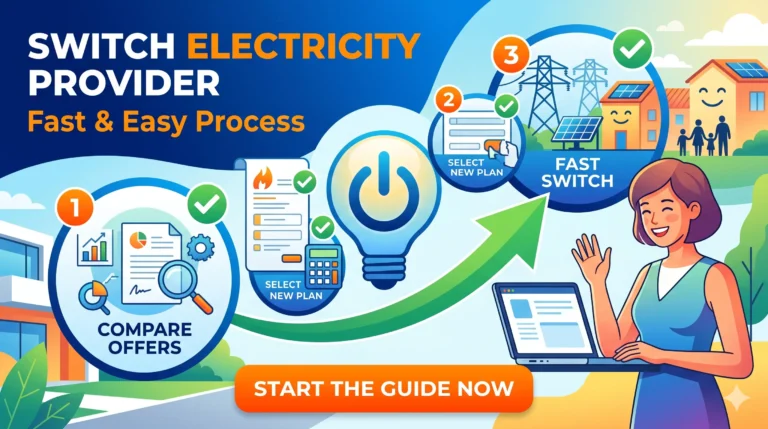
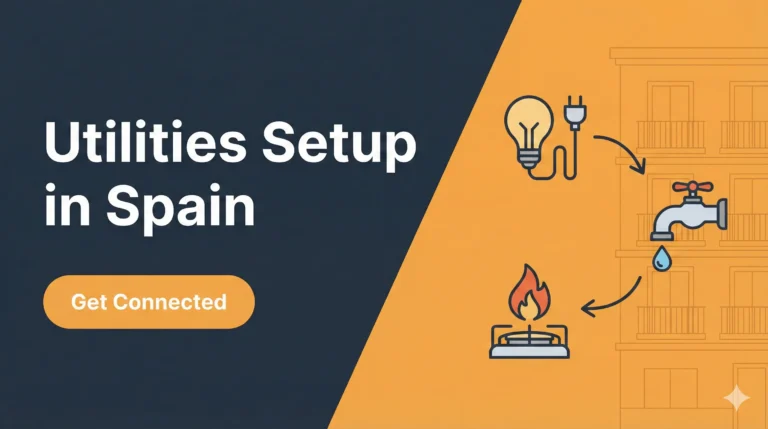
If your apartment has natural gas for heating and hot water, this is generally cheaper than electricity. A combined gas and electric bill averages out to about €120/month over the year. It is vital to set up your contracts correctly from day one to access the best tariffs; our tutorial on Utilities Setup in Spain: Electricity, Gas, and Water Basics explains how to read these meters and choose the right provider.
Water and Garbage
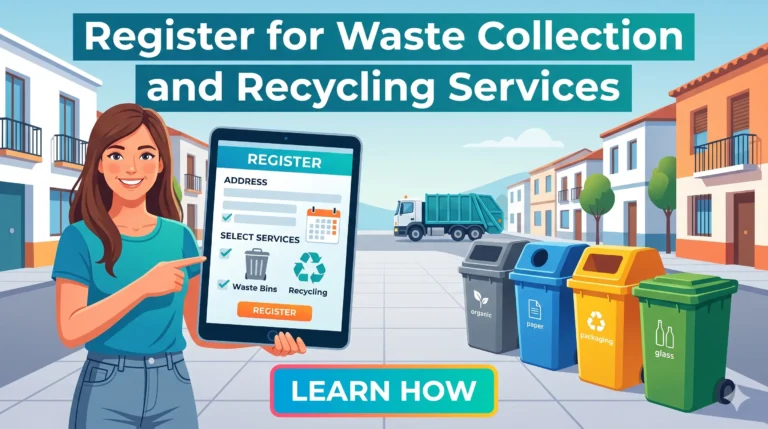
Water is generally affordable, often costing €15 to €25 per month per person, billed quarterly in some regions. Some municipalities also charge a separate garbage tax (tasa de basuras), which is an annual fee ranging from €50 to €150.
Internet and Mobile Data
Spain boasts one of the best fiber-optic networks in Europe. Connectivity is fast, reliable, and competitively priced due to intense competition between providers like Movistar, Orange, Vodafone, and Digi.
- Home Internet: A 600Mbps fiber connection typically costs €30 to €40 per month.
- Mobile Plans: Data is cheap. You can get a SIM-only plan with unlimited calls and 50GB+ of data for €10 to €20 per month. Many providers offer “convergent” packages (Internet + Mobile) for around €50 total.
Grocery Shopping and Food Prices
Food is where Spain truly shines. The quality of fresh produce is exceptional, and prices for local goods remain lower than in neighboring France or Italy.
The Supermarket Basket
Major chains like Mercadona, Lidl, Aldi, and Carrefour dominate the market. A monthly grocery budget for one person who cooks at home is typically €200 to €300.
- Milk (1L): €0.90 – €1.10
- Eggs (Dozen): €2.20 – €2.80
- Chicken Breast (1kg): €6.50 – €8.00
- Local Cheese (1kg): €10.00 – €15.00
- Rice (1kg): €1.30
- Bottle of Mid-Range Wine: €4.50 – €6.00
- Local Beer (0.5L can): €0.80 – €1.20
Olive oil, a staple of the Spanish diet, has seen significant price increases recently due to droughts, with prices reaching €8–€10 per liter for extra virgin varieties.
Fresh Markets (Mercados)
Every neighborhood has a municipal market. While sometimes slightly pricier than discount supermarkets, the quality of fish, meat, and vegetables is superior. Buying seasonal fruit and veg here can actually save you money compared to buying packaged goods at big-box stores.
Dining Out and Leisure
Socializing in Spain happens outside the house. The culture revolves around meeting friends for coffee, tapas, or dinner, and the pricing structure supports this lifestyle.
The “Menú del Día”
The absolute best value in Spain is the menú del día (menu of the day). Offered by most restaurants at lunchtime (roughly 1:30 PM to 3:30 PM) on weekdays, this includes a starter, a main course, a dessert (or coffee), and a drink (wine, beer, or water).
- Cost: €12 to €16 in most areas. In high-end business districts, it might reach €20, but it remains an economical way to eat a full meal.
Tapas and Dinner
Dinner is an à la carte affair. A dinner for two with wine at a nice mid-range restaurant will cost between €50 and €80.
- Tapas: A caña (small beer) usually costs €1.80 to €2.50. In some cities (like Granada or parts of Madrid), it comes with a free small tapa. In others (like San Sebastián), you pay per pintxo (roughly €2.50–€4.00 each).
Coffee Culture
A café con leche is a daily ritual. It typically costs €1.50 to €2.20 depending on the location. It is affordable enough that having one or two a day out of the house doesn’t wreck the budget.
Transportation Costs
Unless you live in a very remote rural area, owning a car in Spain is often unnecessary thanks to an excellent public transport network.
Public Transportation
Spain has invested heavily in rail and metro systems.
- Metro/Bus: A single ticket costs around €1.50–€2.40. However, residents use monthly passes (Abono Transportes). In Madrid, for example, a monthly zone A pass is roughly €22 to €55 (depending on age and discounts).
- Trains: The high-speed AVE network connects major cities. Tickets vary wildly by booking time, but budget providers (Ouigo, Avlo, Iryo) have made travel cheaper. A trip from Madrid to Barcelona can be found for as low as €20 if booked in advance. To navigate the complexities of travel cards and avoid fines, see our guide on Public Transport in Spain: Cards, Discounts, and Etiquette.
Owning a Car
If you need a car, costs add up.
- Fuel: Gasoline fluctuates but generally sits around €1.55 to €1.75 per liter.
- Insurance: Varies by age and history, but budget €300 to €600 annually for third-party to comprehensive coverage.
- Parking: In cities, a private garage spot is essential as street parking is limited and expensive. Renting a parking space costs €80 to €150 per month.
Healthcare Expenses
Spain has a dual healthcare system. Understanding which side you fall on is critical for your budget.
Public Healthcare
If you are employed in Spain or are self-employed (autónomo), you contribute to Social Security and access the public system for free. This covers almost everything with zero co-pay.
Private Health Insurance
If you are on a Non-Lucrative Visa, Digital Nomad Visa, or simply want faster access to specialists, you will need private insurance.
- Cost: Spain’s private insurance is surprisingly affordable compared to the US. A comprehensive plan with no co-pays for a healthy 30-year-old costs roughly €50 to €60 per month. For a family of four, expect to pay around €180 to €250 total. To compare policies and ensure you meet visa requirements, refer to our detailed comparison in Health Insurance in Spain: Options for Residents, Students, and Families.
Education and Childcare
For families, education costs can be the deciding factor in the budget.
Schools
- Public Schools (Colegios Públicos): Free, except for books and materials. Instruction is in Spanish (and the regional language if applicable).
- Semi-Private (Concertados): Partially subsidized by the state. Fees are low, typically €100 to €300 per month for “voluntary contributions” and services.
- Private/International Schools: These follow foreign curriculums (British, American, IB). They are expensive. Tuition ranges from €800 to €1,500+ per month per child, plus enrollment fees.
Childcare
Nurseries (guarderías) for children under 3 are subsidized in many regions but not entirely free. Private nurseries cost between €300 and €500 per month, often including lunch.
Taxes and Bureaucracy
Do not forget the invisible costs of living in Spain. The taxman is active and efficient.
Income Tax (IRPF)
Spain has a progressive tax system. If you are a tax resident (spend more than 183 days a year in Spain), you are taxed on your worldwide income. Rates vary by region but generally start at around 19% and go up to 47% for high earners. It is vital to budget for this annually to avoid surprises; our overview of Spanish Taxes for Foreign Residents: Practical Guide to Staying Compliant breaks down the brackets and deadlines.
Banking Fees
While some online banks are free, traditional Spanish banks often charge maintenance fees if you don’t meet specific criteria (like direct depositing a salary). These fees can reach €240 per year. To avoid these charges, check our recommendations in Opening a Bank Account in Spain: Step-by-Step for Foreigners.
The “Beckham Law”
New residents who move to Spain for work (including Digital Nomads) may apply for the Special Expats Regime, paying a flat 24% tax rate on Spanish income up to €600,000 for six years. This can result in massive savings for high earners.
Monthly Budget Scenarios
To help you visualize the total, here are three estimated monthly budgets for different profiles living in a major city like Madrid or Barcelona. (Deduct approx. 20-25% for smaller cities).
1. The Student (Shared Housing)
Living frugally, cooking at home, using public transport.
| Category | Monthly Cost |
| Rent (Room in shared flat) | €550 |
| Utilities (Share) | €60 |
| Groceries | €200 |
| Transport (Youth Pass) | €20 |
| Mobile Phone | €15 |
| Leisure & Dining Out | €150 |
| TOTAL | €995 |
2. The Single Professional (Studio/1-Bed)
Living alone, moderate social life, private health insurance.
| Category | Monthly Cost |
| Rent (1-Bed Apartment) | €1,100 |
| Utilities (Elec/Gas/Water/Internet) | €150 |
| Groceries | €300 |
| Transport (Monthly Pass) | €50 |
| Private Health Insurance | €55 |
| Gym Membership | €40 |
| Leisure & Dining Out | €350 |
| TOTAL | €2,045 |
3. The Family of Four (3-Bed Apartment)
Two children in public/concertado school, one car.
| Category | Monthly Cost |
| Rent (3-Bed Apartment) | €1,800 |
| Utilities (Elec/Gas/Water/Internet) | €200 |
| Groceries | €700 |
| Transport (1 Car + 2 Metro Passes) | €250 |
| School Expenses (Books/Dining/Afterschool) | €300 |
| Private Health Insurance (Family) | €220 |
| Leisure & Activities | €500 |
| TOTAL | €3,970 |
Comparison: Spain vs. Other Countries
Is Spain still cheap? Yes, but context matters.
- Vs. UK/USA: Rent in Madrid is roughly 40-50% cheaper than London or New York. Dining out is 30-40% cheaper.
- Vs. Germany/France: Groceries and transport are cheaper in Spain, but electricity and consumer electronics are similarly priced.
- Vs. Portugal: Historically, Portugal was cheaper, but Lisbon’s rental market has exploded, often making Valencia or Seville more affordable options than the Portuguese capital.
Tips for Saving Money in Spain
Even with rising costs, you can live very well on a budget if you adopt local habits.
- Shop seasonally: Spanish strawberries in season are cheap; imported tropical fruit is expensive. Follow the seasons at the fruit shop (frutería).
- Use Wallapop: This is the Spanish equivalent of eBay or Craigslist. It is hugely popular for buying second-hand furniture, electronics, and clothes.
- Drink tap water: In Madrid, the tap water is famous for being excellent. In coastal areas, it is safe but tastes strongly of chlorine, so a filter jug saves money on bottled water.
- Avoid “Guiri” Traps: Restaurants with photos of food on the menu near tourist sites are overpriced and low quality. Walk two blocks away to find where the locals eat.
- Free Museum Hours: Almost every major museum in Spain has free entry hours (usually late afternoons or Sunday mornings).
Final Thoughts
The cost of living in Spain in 2026 remains attractive, but it is no longer the bargain basement destination it was in the early 2000s. The trade-off, however, is exceptional. The money you spend in Spain generally buys you a higher standard of living—better food, safer streets, and more leisure time—than the same amount would procure in many other developed nations.
Success lies in accurate budgeting. By accounting for the hidden costs of deposits, insurance, and taxes, and by adjusting your lifestyle to the local rhythm (more menú del día, less takeout delivery), you can enjoy the Spanish good life without breaking the bank.
References
Primary sources (official)
- Instituto Nacional de Estadística (INE – Spanish Statistical Office): https://www.ine.es/
- Agencia Tributaria (Tax Agency): https://sede.agenciatributaria.gob.es/
- Ministry of Inclusion, Social Security and Migration: https://www.inclusion.gob.es/
Other helpful sources
- Numbeo (Cost of Living Data): https://www.numbeo.com/cost-of-living/country_result.jsp?country=Spain
- Idealista (Rental Price Index): https://www.idealista.com/media/informes-precio-vivienda/
Disclaimer
The information provided in this article is for educational and informational purposes only and does not constitute financial or legal advice. Prices mentioned are estimates based on 2026 market trends and can vary significantly by region, inflation rates, and individual lifestyle choices. We recommend consulting with a financial advisor or conducting personal research before making significant relocation decisions.